


Art for well-being: How art improves mental health
Recent studies reveal a startling truth: viewing original artworks lowers stress hormones by over 20%. This physiological change happens within minutes, not hours. Mental and emotional well-being encompasses how we feel, process emotions, and find purpose. Art has served as a wellness tool across civilizations for centuries. Modern neuroscience now validates what ancient cultures intuitively knew. Engaging with art offers measurable benefits for mental health, accessible to everyone.
Table of Contents
- Introduction To Art And Well-Being
- Physiological Effects Of Viewing Art
- Psychological Effects Of Art On Well-Being
- Common Misconceptions About Art And Well-Being
- Conceptual Framework For Understanding Art And Well-Being
- Optimizing Art Engagement For Well-Being
- Applications Of Art For Mental Health And Recovery
- Discover Original Artworks To Enhance Your Well-Being
- Frequently Asked Questions
Key takeaways
| Point | Details |
|---|---|
| Viewing art triggers body health systems | Original artworks activate immune, endocrine, and nervous systems simultaneously, reducing stress markers by 22%. |
| Art enhances meaning and emotional growth | Engaging with art strengthens eudemonic well-being through introspection, empathy, and personal development. |
| Passive viewing provides significant benefits | You don’t need to create art to experience mental health improvements from it. |
| Brief exposures yield measurable results | Even short viewing sessions improve emotional regulation and reduce inflammatory markers. |
| Clinical settings utilize art for recovery | Hospitals implement art programs to support psychological well-being and quality of life for patients. |
Introduction to art and well-being
Well-being extends beyond absence of illness. Mental well-being reflects your psychological state, including how you handle stress and make decisions. Emotional well-being involves recognizing and managing your feelings effectively. Eudemonic well-being centers on meaning, purpose, and personal growth. These dimensions interconnect and respond to environmental influences, including visual art.
Throughout history, cultures recognized art’s healing capacity:
- Ancient Greeks prescribed theater attendance for mental distress
- Traditional Chinese medicine incorporated calligraphy viewing for emotional balance
- Medieval European hospitals displayed religious artworks to comfort patients
- Indigenous communities used ceremonial art for collective wellness
Modern society rediscovered art’s therapeutic value as research quantifies its effects. Urban museums, healthcare facilities, and workplaces now integrate art programs to support mental health. This resurgence stems from evidence that art engagement offers cost-effective, accessible wellness benefits. The key lies in understanding how visual experiences translate to physiological and psychological improvements. You don’t need special training or artistic talent. Simply viewing art with intention activates beneficial processes.
Physiological effects of viewing art
Your body responds to art viewing in measurable ways. When you observe original artworks, three major systems activate simultaneously: immune, endocrine, and autonomic nervous systems. This coordinated response creates both calming and energizing effects.
Researchers measured specific biomarkers before and after gallery visits:
- Cortisol levels dropped by 22% after 35 minutes of art viewing
- Inflammatory cytokines IL-6 and TNF-α decreased significantly
- Heart rate variability improved, indicating better stress resilience
- Alpha-amylase concentrations reduced, signaling lowered anxiety
These changes occur rapidly. Participants showed cortisol decreases within 20 to 30 minutes of viewing. The magnitude rivals effects from meditation or nature walks. Your endocrine system responds by modulating stress hormone production. Your immune system benefits from reduced inflammatory signals. Your autonomic nervous system shifts toward parasympathetic dominance, promoting rest and recovery.
“Viewing original artworks provides a dual benefit: reducing stress while simultaneously increasing excitement and engagement, creating an optimal state for well-being.”
An important distinction emerges between original and reproduced art. Studies demonstrate stronger physiological responses to authentic paintings compared to prints or digital images. The texture, scale, and presence of originals appear to amplify benefits. This suggests that seeking out real artworks, whether in galleries or homes, maximizes your well-being gains.
Psychological effects of art on well-being
Beyond stress reduction, art shapes your psychological landscape. Eudemonic well-being, defined by meaning and personal growth, improves consistently through art viewing. This effect differs from simple pleasure or mood elevation. It involves deeper satisfaction from engaging with something meaningful.
Brain imaging reveals how this happens. Viewing art activates the default mode network, a set of brain regions linked to introspection and self-reflection. This network helps process emotions, build empathy, and construct personal narratives. When you contemplate an artwork, you’re not just observing. You’re integrating the experience into your sense of self.
Art engagement supports emotional regulation through several pathways:
- Provides safe space to explore difficult emotions without personal risk
- Offers perspective on universal human experiences, reducing isolation
- Creates cognitive distance from immediate stressors through aesthetic focus
- Builds emotional vocabulary by exposing you to diverse expressions
| Well-being Type | Primary Art Effect | Example Outcome |
|---|---|---|
| Emotional | Immediate mood regulation | Reduced anxiety after viewing calming landscapes |
| Eudemonic | Enhanced meaning and purpose | Greater life satisfaction from contemplative engagement |
| Social | Increased empathy and connection | Better understanding of others through narrative art |
Pro Tip: After viewing art, spend two minutes writing about what you noticed and felt. This reflective practice deepens psychological benefits by consolidating emotional insights and strengthening neural pathways for emotional regulation.
The psychological impacts of art extend into daily functioning. Regular engagement builds resilience against stress. You develop capacity to find meaning even in challenging circumstances. Your emotional flexibility increases, allowing smoother navigation of life’s ups and downs.
Common misconceptions about art and well-being
Several myths prevent people from accessing art’s benefits. Correcting these misunderstandings opens pathways to improved mental health.
Myth: Only creating art benefits mental health. Many assume you must paint, draw, or sculpt to experience wellness gains. Research proves viewing art alone produces substantial positive effects on emotional and physiological health. You don’t need artistic skills or materials. Simply observing activates beneficial processes.
Myth: Art effects require prolonged exposure in special venues. Some believe you need hours in world-class museums to benefit. Evidence shows otherwise:
- Benefits emerge in as little as 20 minutes
- Virtual gallery tours produce measurable improvements
- Home art displays offer ongoing wellness support
- Workplace art reduces occupational stress effectively
You can access benefits wherever art exists. The key is intentional engagement, not lengthy visits or prestigious locations.
Myth: Art viewing and art therapy are interchangeable. Art therapy involves structured, therapeutic processes guided by trained professionals. It addresses specific mental health conditions through creative work. Art viewing for well-being requires no therapist. It represents a self-directed wellness practice. Both have value, but serve different purposes. If you face clinical mental health challenges, seek professional treatment. For general wellness enhancement, art viewing offers accessible support.
Clarity on these points empowers you to incorporate art into your life confidently. You don’t need special circumstances or abilities. Regular, brief encounters with art you find meaningful deliver real benefits.
Conceptual framework for understanding art and well-being
A clear model helps organize how art affects your wellness. Researchers identify five key mechanisms through which art engagement produces benefits.
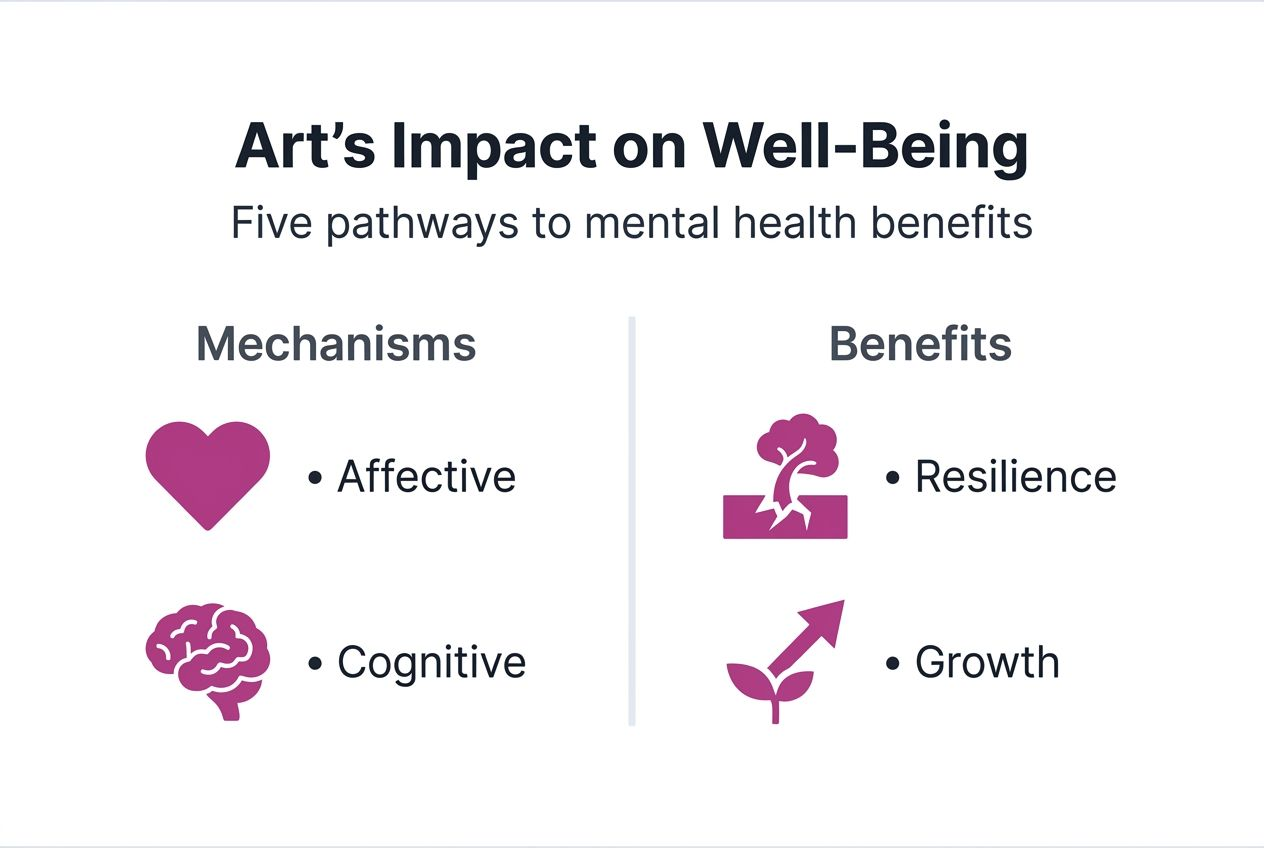
The affective mechanism involves immediate emotional responses. Viewing art triggers feelings ranging from calm to excitement. These emotional shifts provide relief from negative states and enhance positive ones. Your mood improves as aesthetic experiences activate reward centers in your brain.
The cognitive mechanism engages your thinking processes. Art challenges you to interpret, analyze, and make meaning. This cognitive workout builds mental flexibility and problem-solving capacity. It distracts from rumination, breaking cycles of negative thinking.
The social mechanism operates through shared experiences. Discussing art builds connections. Even solitary viewing links you to broader human experiences depicted in artworks. This reduces feelings of isolation and strengthens sense of belonging.
The self-transformational mechanism supports personal growth. Encountering diverse perspectives through art expands your worldview. You reflect on values, identity, and aspirations. This introspection facilitates psychological development and self-understanding.
The resilience mechanism strengthens your capacity to handle adversity. Regular art engagement builds emotional regulation skills. You develop coping strategies through aesthetic experiences. This accumulated resilience buffers against future stressors.
| Mechanism | How It Works | Practical Application |
|---|---|---|
| Affective | Immediate emotional shift through aesthetic pleasure | View uplifting art when feeling down |
| Cognitive | Mental engagement and distraction from worries | Choose complex, thought-provoking works during stress |
| Social | Connection through shared human experience | Discuss art with others or attend group viewings |
| Self-Transformational | Identity exploration and value clarification | Select art that challenges your perspectives |
| Resilience | Building emotional regulation capacity | Maintain regular viewing practice for cumulative benefits |
Pro Tip: Match your art choices to your current needs. Feeling anxious? Choose calming, harmonious works for affective benefits. Seeking purpose? Engage with conceptually rich art for self-transformation. Understanding these mechanisms lets you optimize your practice.
These five pathways often operate simultaneously. A single viewing session might trigger emotional responses, stimulate thinking, evoke social connection, prompt self-reflection, and build resilience. The framework clarifies processes without limiting possibilities.
Optimizing art engagement for well-being
Maximizing benefits requires intentional choices about where, how, and how often you engage with art.
Optimal settings include:
- Art galleries and museums for concentrated, distraction-free viewing
- Your home with carefully selected pieces that resonate personally
- Healthcare facilities where art supports healing environments
- Virtual platforms offering accessible, flexible engagement options
Each setting offers unique advantages. Galleries provide variety and original works. Home displays offer daily exposure. Virtual tours remove barriers of location and mobility.
Reflective and guided activities strengthen outcomes. Instead of passive glancing, try:
- Mindful observation: Spend five minutes noticing colors, textures, and composition
- Emotional tracking: Identify feelings that arise and where you sense them in your body
- Personal connection: Consider how the artwork relates to your experiences or values
- Journaling: Write brief reflections after viewing to deepen integration
Incorporating art into your daily wellness routine takes simple steps:
- Choose one to three artworks for your primary living spaces
- Position them where you’ll naturally encounter them during daily activities
- Spend 30 seconds to two minutes in intentional viewing when you notice them
- Rotate or add pieces quarterly to maintain engagement
- Visit galleries or virtual exhibitions monthly for variety
Research indicates frequency matters more than duration. Brief, regular exposures build cumulative benefits better than occasional long visits. Even three to five minutes daily creates positive change. Abstract works, landscapes, and art with personal meaning tend to produce strongest effects. However, individual preferences matter most. What resonates with you delivers greater benefits than objectively “better” art.
Consider integrating art into workspaces to reduce occupational stress. Art at home creates wellness anchors throughout your living environment. These strategic placements ensure consistent engagement without requiring dedicated time.
Applications of art for mental health and recovery
Healthcare institutions increasingly recognize art’s therapeutic value. Hospitals implement programs where patients view artworks as part of treatment protocols. These interventions range from curated collections in patient rooms to guided museum tours for outpatients.
Art programs improve patients’ psychological well-being and quality of life across various conditions. Cancer patients report reduced anxiety and better emotional coping. Cardiac recovery patients show improved mood markers. Mental health facility residents experience decreased depression symptoms.
Specific applications include:
- Bedside art carts bringing rotating selections to immobile patients
- Virtual reality museum tours for those unable to travel
- Group gallery visits integrated into outpatient therapy programs
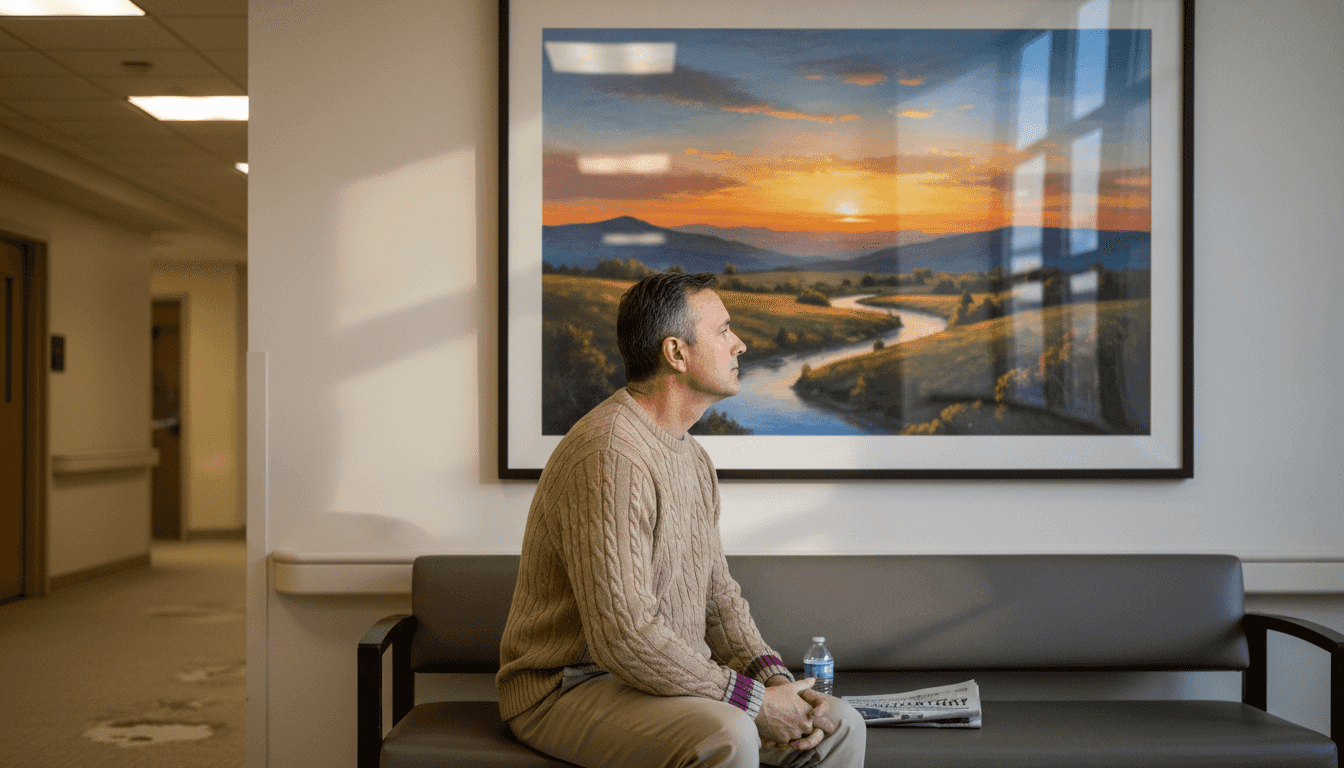
- Art-enriched waiting areas reducing pre-procedure anxiety
The mechanisms parallel individual wellness benefits but occur in clinical contexts. Patients gain emotional respite from medical procedures. Art provides cognitive engagement beyond illness focus. Viewing meaningful works helps patients maintain identity and hope during treatment.
Virtual platforms expand access. Patients with compromised mobility explore world-class collections from hospital beds. This democratization ensures benefits reach those who might gain most. Even brief virtual sessions produce measurable improvements in emotional state.
Research on older adults shows group arts activities reduce depression and anxiety significantly. Social engagement combines with aesthetic experience for amplified effects. These findings inform community programs targeting isolated seniors.
Cultural applications of art for well-being extend beyond individual or clinical use. Public art installations create wellness infrastructure in communities. Access to beauty becomes a public health resource. Societies investing in arts programming see population-level mental health improvements.
The evidence supports art as complementary to traditional medical treatments. It doesn’t replace necessary interventions but enhances outcomes when integrated thoughtfully.
Discover original artworks to enhance your well-being
Surrounding yourself with original art transforms your daily environment into a wellness resource. Each encounter offers micro-doses of the benefits described throughout this article. The key lies in choosing pieces that genuinely resonate with your emotions and values.
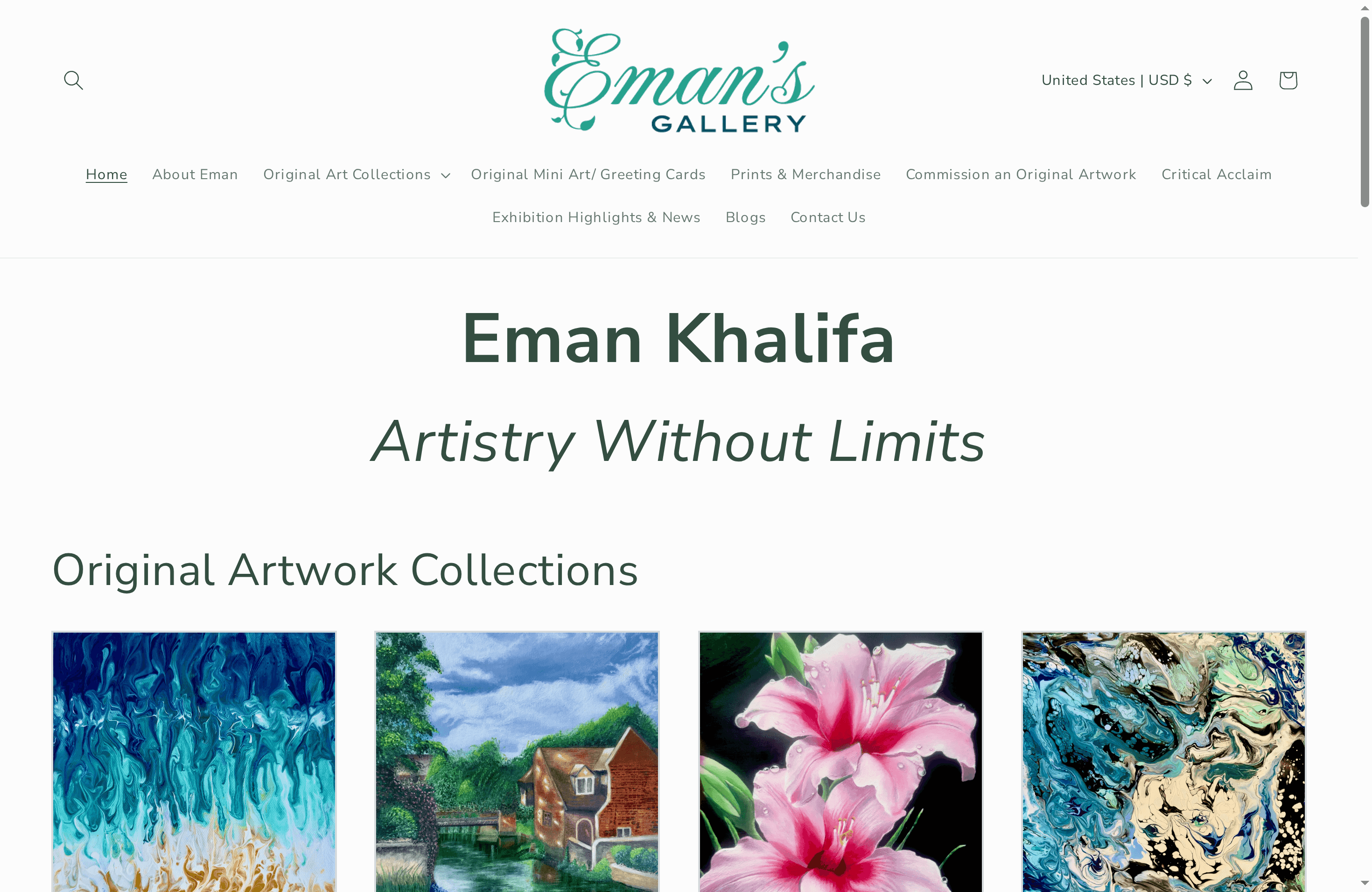
Eman’s Gallery curates contemporary original paintings designed to brighten living spaces while supporting mental and emotional health. From calming seascapes like Mystic Sea to uplifting abstracts such as Good Tidings, each handmade piece offers unique visual engagement. These one-of-a-kind works provide the enhanced physiological benefits associated with original art viewing.
For accessible options, explore our wall art prints collection featuring museum-quality reproductions. While originals maximize benefits, quality prints still support daily well-being practices. Choose art that speaks to you emotionally. Your personal connection determines impact more than artistic credentials or price.
Pro Tip: Select at least one artwork featuring colors that evoke your desired emotional state. Blues and greens typically promote calm, while warm tones energize. Place it where you’ll see it during stressful parts of your day for maximum benefit.
Frequently asked questions
What is art for well-being?
Art for well-being describes using visual art engagement to improve mental and emotional health. This practice encompasses viewing, reflecting on, and experiencing artworks intentionally to support psychological wellness. Unlike art therapy, which requires professional guidance for clinical issues, art for well-being represents a self-directed approach accessible to anyone. Simple methods include displaying meaningful art at home, visiting galleries mindfully, or spending moments in focused observation. These activities reduce stress, enhance mood, and build emotional resilience through regular practice.
Can viewing art really reduce stress without creating it?
Yes, viewing original art produces proven physiological changes including 22% cortisol reduction within 30 minutes. You don’t need to paint or draw to experience these benefits. Your body’s stress response systems calm simply from observing artworks. This passive engagement triggers immune, endocrine, and nervous system improvements comparable to active stress reduction techniques. Art viewing alone represents a powerful, accessible method for managing daily stress without requiring artistic skills or materials.
How often should I engage with art for mental health benefits?
Short, regular exposures yield optimal results for mental health. Brief sessions of five to 10 minutes several times weekly produce cumulative benefits that build over time. Research shows even 20-minute viewing periods create measurable improvements. Consistency matters more than duration. Daily encounters with art in your home, combined with monthly gallery visits or virtual tours, establish a sustainable wellness practice. Guided reflection during viewing strengthens outcomes regardless of session length.
Can art help with recovery in clinical settings?
Art viewed in hospitals significantly improves patients’ psychological well-being during recovery. Programs using both original artworks and virtual museum tours support emotional respite, reduce anxiety, and enhance quality of life for patients facing serious illness. Cancer, cardiac, and mental health treatment facilities implement art interventions as complementary therapies. These applications extend art’s wellness benefits to those experiencing acute health challenges. Beyond individual recovery, art’s cultural impact shapes community well-being by making beauty and meaning accessible to all.
Recommended
- Why Art Matters – Impact on Culture and Wellbeing - Eman’s Gallery
- Role of Art in Workspaces – Impact on Well-being
- Why Art Matters at Home: Elevate Living Spaces
- Why Art Boosts Creativity: Transforming Modern Spaces
Stay Connected
- ✨ Explore Eman Khalifa’s original art and fine art prints
- 📸 Follow Eman Khalifa’s art journey on: Instagram @emans_gallery and Facebook Eman’s Gallery
- 📹 Watch Eman Khalifa creating live art on: YouTube @emans_gallery
