


Why Art Boosts Creativity: Transforming Modern Spaces
Every luxury home tells a unique story, but finding art that truly sparks creativity in modern spaces demands more than just aesthetic appeal. Whether you curate interiors in New York or London, the right original piece transforms empty walls into sources of inspiration. Backed by scientific insight into how art influences the brain and imagination, this guide reveals how bold, contemporary artwork can create environments that fuel personal and professional innovation.
Table of Contents
- The Science Behind Art and Creativity
- Major Types of Art That Inspire Innovation
- How Art Stimulates the Imagination
- Neuroscience: Art’s Impact on the Brain
- Choosing Art for Creative Home Design
Key Takeaways
| Point | Details |
|---|---|
| Neuroscience of Creativity | Creativity involves complex neurological processes, enhancing communication between brain regions and can be trained through specific exercises. |
| Art Forms and Innovation | Different types of art like Abstract, Digital, and Performance Art drive creativity by challenging traditional thought patterns. |
| Art’s Impact on the Brain | Engaging with art activates various brain regions, improving emotional regulation, cognitive flexibility, and memory. |
| Art in Home Design | Curating art intentionally in living spaces can enhance creativity and emotional well-being, making art a vital part of the environment. |
The Science Behind Art and Creativity
The human brain is an extraordinary landscape of creativity, where artistic expression emerges through complex neurological processes. Psychological research reveals that creativity is not just a mystical talent, but a sophisticated cognitive function rooted in unique brain states and neural interactions.
Neuroscientists have discovered fascinating mechanisms that underpin creative thinking. Key insights include:
- Neural Connectivity: Creative individuals demonstrate enhanced communication between different brain regions
- Default Mode Network: Increased activity in brain areas associated with imagination and introspection
- Hypnagogic States: Novel artistic ideas often emerge during transitions between wakefulness and sleep
Artistic research methodologies have expanded beyond traditional scientific approaches, recognizing creativity as a unique form of knowledge generation. This perspective emphasizes art not as a controlled experiment, but as a dynamic process of exploration and critical reflection.
Modern neuroscience suggests that creativity is a trainable skill. By understanding how the brain generates innovative ideas, individuals can develop strategies to enhance their artistic potential. These strategies involve practicing mindfulness, engaging in divergent thinking exercises, and creating environments that stimulate cognitive flexibility.
Pro tip: Practice daily creative exercises like free writing, sketching without judgment, or improvising music to activate your brain’s creative neural pathways.
Major Types of Art That Inspire Innovation
Artistic innovation transcends traditional boundaries, with different art forms uniquely contributing to creative thinking and organizational transformation. Research in creative industries demonstrates that artistic creativity emerges through complex interactions between multiple factors, driving adaptability and novel outputs across various disciplines.
The most innovative art types that spark creativity include:
- Abstract Art: Challenges perceptual boundaries and encourages non-linear thinking
- Digital Art: Integrates technological innovation with creative expression
- Performance Art: Breaks conventional communication barriers
- Conceptual Art: Prioritizes ideas and intellectual engagement over traditional aesthetic principles
- Interactive Art: Transforms passive observers into active participants
Each art form offers distinct pathways to innovation by disrupting established cognitive patterns. Abstract art, for instance, encourages viewers to interpret meaning beyond literal representations, while digital art leverages technological platforms to expand creative possibilities.
Contemporary art practices increasingly blur disciplinary boundaries, creating environments that foster cross-pollination of ideas. By embracing diverse artistic approaches, organizations and individuals can develop more flexible, adaptive thinking strategies that drive breakthrough innovations.
Here’s a quick overview of how major art forms contribute to innovation:
| Art Form | Core Contribution | Unique Impact on Creativity |
|---|---|---|
| Abstract Art | Promotes non-linear thought | Expands problem-solving approaches |
| Digital Art | Fuses tech and expression | Encourages digital adaptation |
| Performance Art | Reimagines communication | Inspires interpersonal engagement |
| Conceptual Art | Emphasizes ideation | Sparks intellectual curiosity |
| Interactive Art | Activates participation | Boosts hands-on learning |
Pro tip: Regularly expose yourself to diverse art forms and engage actively with different creative expressions to stimulate your cognitive flexibility and innovative potential.
How Art Stimulates the Imagination
Art knowledge training demonstrates remarkable potential for expanding cognitive boundaries and stimulating imaginative thinking. The process of engaging with art goes far beyond passive observation, transforming viewers into active participants in a complex cognitive experience that challenges existing mental frameworks.
The key mechanisms through which art stimulates imagination include:
- Perceptual Disruption: Breaking traditional visual patterns
- Emotional Resonance: Triggering deep psychological responses
- Cognitive Flexibility: Encouraging alternative perspective-taking
- Sensory Exploration: Activating multiple neural pathways simultaneously
- Symbolic Interpretation: Translating abstract concepts into tangible experiences
Drawing on Cultural-Historical Psychology, artistic engagement represents a powerful tool for cognitive development. By transgressing personal boundaries while maintaining individual identity, art enables creative agency and intellectual transformation. This process allows individuals to explore complex ideas through visual metaphors and symbolic representations.
Imaginative stimulation occurs most effectively when viewers actively interact with artworks, moving beyond mere visual consumption. By challenging preconceived notions and encouraging multi-dimensional thinking, art serves as a catalyst for expanding mental horizons and generating innovative ideas across various domains.
Pro tip: Spend at least 10 minutes weekly analyzing an artwork deeply, focusing on understanding its underlying emotional and conceptual layers rather than just its surface aesthetic.
Neuroscience: Art’s Impact on the Brain
Neural circuits activated by creative arts reveal profound insights into how artistic experiences transform brain functioning. Neuroscientific research demonstrates that engaging with art is far more than a passive visual experience, instead representing a complex neurological process that stimulates multiple brain regions simultaneously.
Key neurological impacts of art include:
- Emotional Regulation: Activating prefrontal cortex and amygdala
- Default Mode Network Stimulation: Enhancing introspection and empathy
- Neuroplasticity: Creating new neural connections
- Stress Response Modulation: Reducing cortisol levels
- Memory Consolidation: Strengthening cognitive processing pathways
Neuroaesthetics research reveals that meaningful artistic engagement triggers widespread brain system involvement beyond simple sensory processing. The brain’s default mode network becomes particularly active during art experiences, connecting regions associated with memory, emotion, and social understanding in complex and transformative ways.
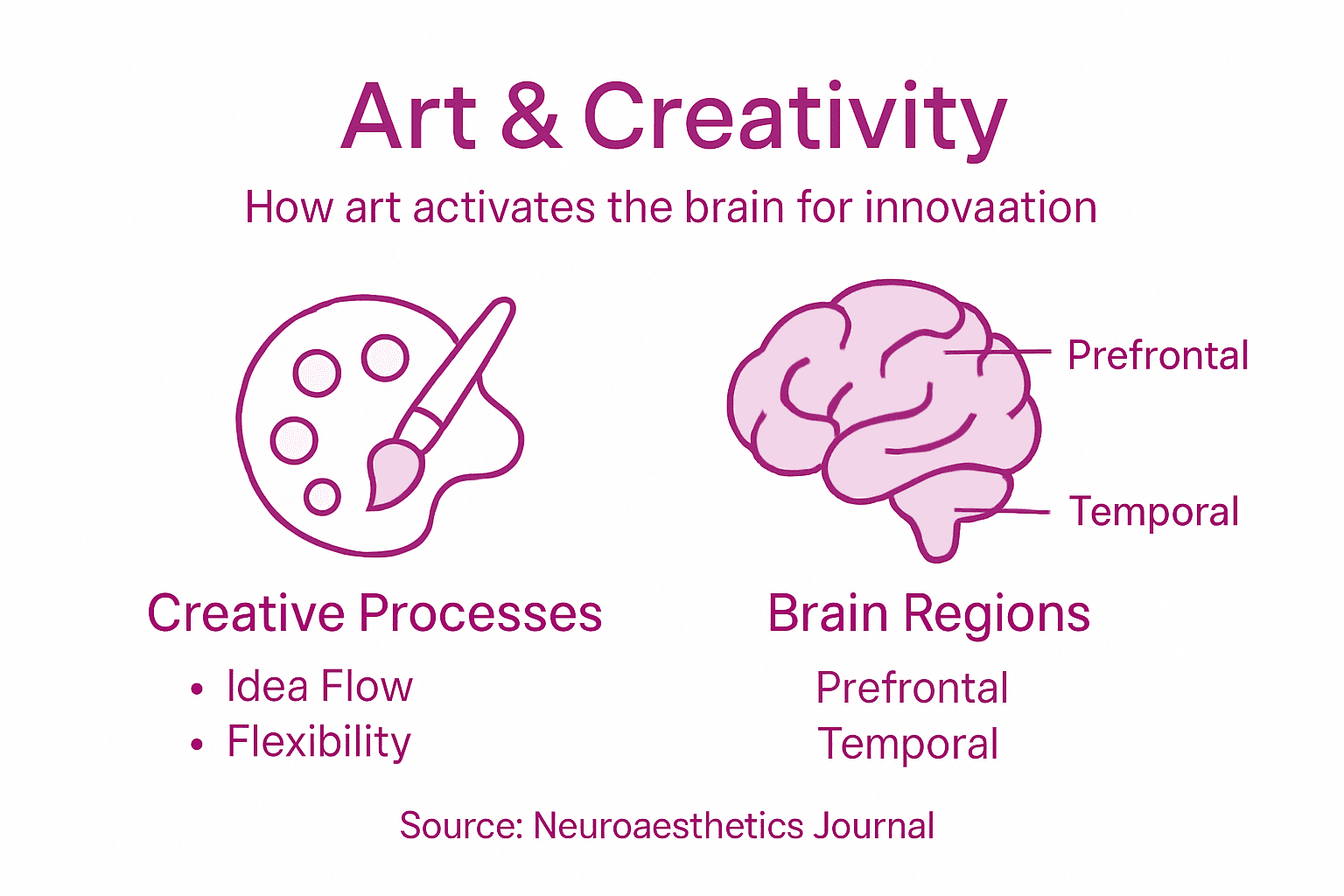
Artistic interactions demonstrate remarkable potential for psychological resilience, offering more than aesthetic pleasure. By engaging multiple neural networks simultaneously, art creates a unique cognitive state that can enhance emotional intelligence, promote mental flexibility, and support psychological well-being across diverse populations.
The following table summarizes key ways art influences brain function:
| Brain Benefit | Associated Brain Region | Resulting Advantage |
|---|---|---|
| Emotional Regulation | Prefrontal cortex, amygdala | Enhances mood, reduces stress |
| Default Mode Activation | Multiple interconnected areas | Deepens empathy, introspection |
| Neuroplasticity | Cerebral cortex connections | Supports learning, adaptability |
| Memory Consolidation | Hippocampus | Strengthens recall, retention |
Pro tip: Spend 15 minutes weekly experiencing art mindfully, observing your emotional and cognitive responses to develop greater neural plasticity and self-awareness.
Choosing Art for Creative Home Design
Interior design research demonstrates that art is far more than decorative element - it’s a transformative force that shapes spatial experiences and personal environments. Strategic art selection can dramatically enhance creative potential, turning living spaces into dynamic landscapes of inspiration and emotional resonance.
Key considerations for selecting creativity-boosting artwork include:
- Personal Connection: Choose pieces that spark emotional engagement
- Color Harmony: Select artworks complementing existing room palettes
- Scale and Placement: Consider artwork size relative to wall and room dimensions
- Thematic Consistency: Align art with room’s functional and aesthetic purpose
- Diverse Artistic Styles: Mix different artistic approaches to stimulate cognitive flexibility
Studies exploring artists’ studio environments reveal that carefully curated spaces can scaffold creative processes. Artworks functioning as memory triggers and aesthetic anchors help transform ordinary rooms into sanctuaries of imagination, supporting cognitive flexibility and emotional well-being through intentional design choices.
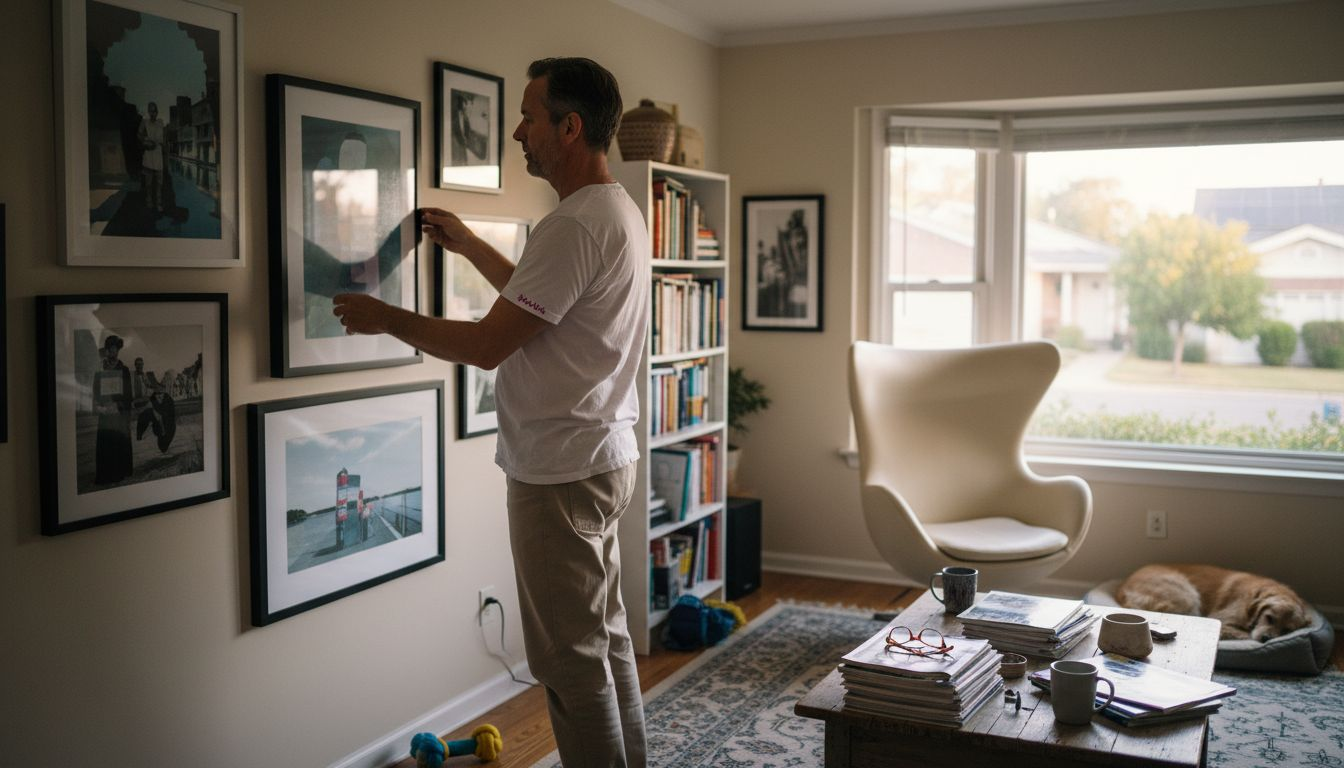
The most innovative home designs treat art not as mere decoration, but as an active participant in spatial storytelling. By selecting pieces that challenge perceptions, evoke memories, and inspire reflection, homeowners can create environments that continually stimulate creativity and personal growth.
Pro tip: Rotate artwork periodically and experiment with unconventional placement to maintain cognitive stimulation and prevent visual monotony in your living spaces.
Elevate Your Creativity with Original Art from Eman’s Gallery
The article emphasizes how art acts as a powerful catalyst to boost creativity by stimulating cognitive flexibility and imagination. If you are looking to transform your living or work space into a source of inspiration and mental renewal, choosing the right artwork can break mental boundaries and nurture innovative thinking. Whether you want art that challenges perception or evokes deep emotional responses, curated pieces can reshape your environment and support your creative journey.
Discover the unique energy of our Geometric Original Art Collection - Unique Geometric Wall Decor designed to promote non-linear thought and visual intrigue perfect for sparking new ideas.
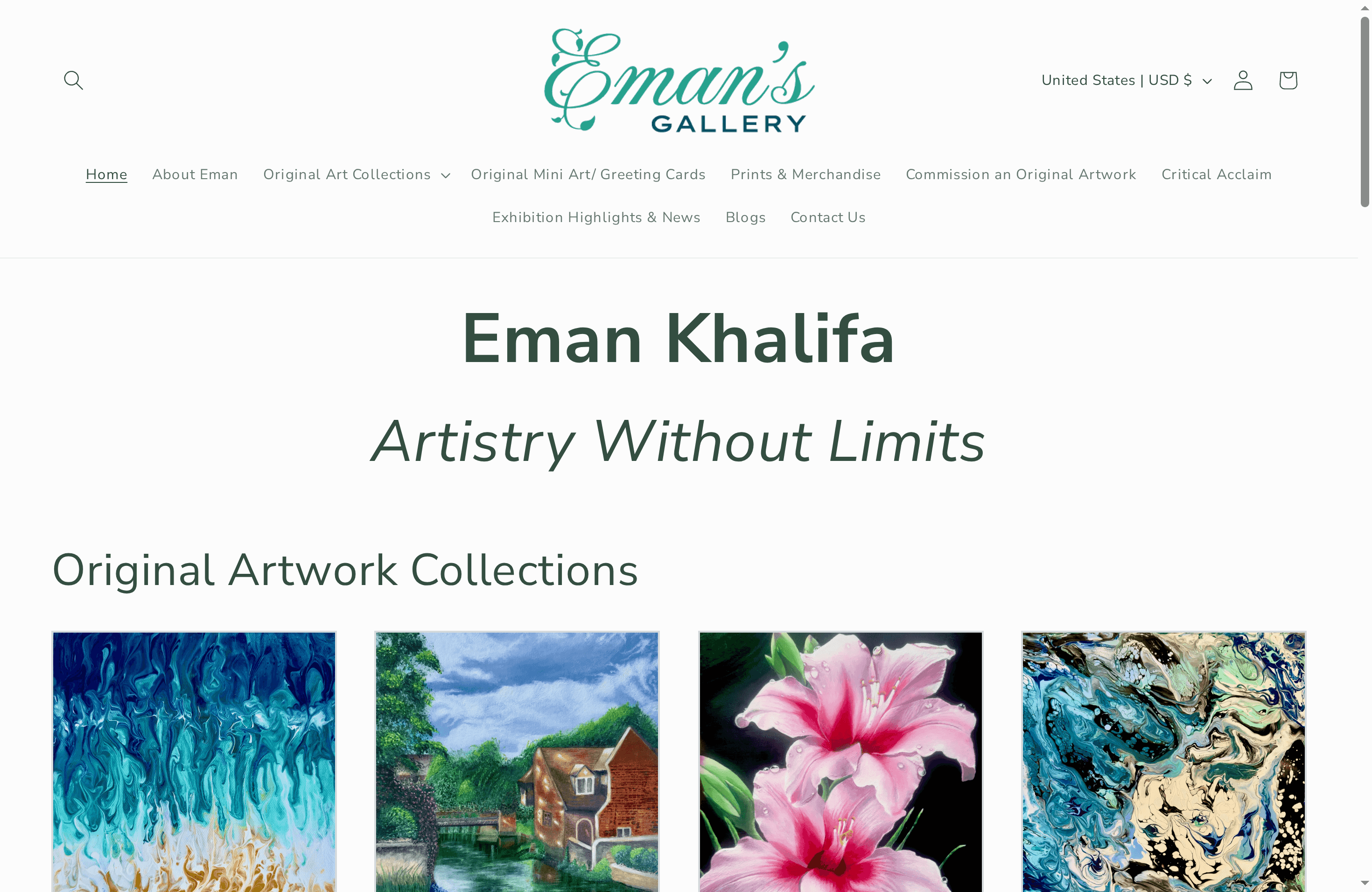
Experience how original artworks from Eman Khalifa can become more than decoration. They can be a transformative source of imagination and emotional resonance in your space. Explore our full range of expressionist art and still life collections that invite deep emotional connection and intellectual curiosity. Act now to create an inspiring environment that continually fuels creativity. Visit Eman’s Gallery today to find your perfect piece that speaks to your unique creative vision.
Frequently Asked Questions
How does art enhance creativity in home design?
Art enhances creativity in home design by stimulating emotional engagement, fostering cognitive flexibility, and transforming spaces into dynamic environments that inspire reflection and imagination.
What types of art are best for boosting creativity in modern spaces?
Art forms such as abstract art, digital art, and interactive art are particularly effective for boosting creativity as they encourage non-linear thinking, integrate technology, and actively involve viewers in the experience.
Can the placement of art influence its impact on creativity?
Yes, the placement of art significantly influences its impact. Strategic positioning and selecting the right scale and theme can enhance the emotional resonance and cognitive engagement of the artwork within a space.
What are some tips for choosing art that promotes creative thinking?
To choose art that promotes creative thinking, consider selecting pieces that spark personal connections, harmonize with room colors, mix diverse styles, and align with the thematic purpose of the space.
Recommended
- Role of Art in Workspaces – Impact on Well-being
- Why Display Art at Home: Transforming Modern Spaces
- Why Decorate With Art: Transforming Modern Luxury Spaces
- Why Art Matters in Interiors: Transforming Spaces
- INUSUAL | Cómo impulsar equipos innovadores y transformar tu empresa
Stay Connected
- ✨ Explore Eman Khalifa’s original art and fine art prints
- 📸 Follow Eman Khalifa’s art journey on: Instagram @emans_gallery and Facebook Eman’s Gallery
- 📹 Watch Eman Khalifa creating live art on: YouTube @emans_gallery
