


What Is a Canvas Art Print? Your Home Decor Guide
TL;DR:
- A canvas art print is a digitally printed image on textured fabric, stretched over a wooden frame to resemble traditional paintings.
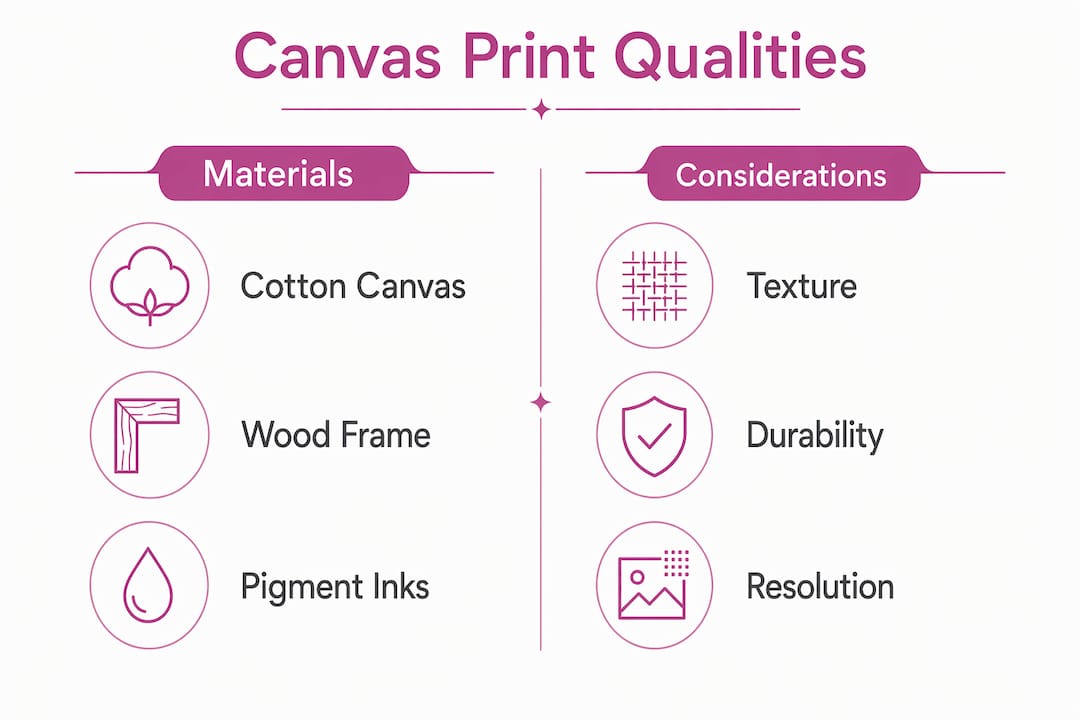
- Quality depends on canvas material, printing resolution, frame construction, and archival pigment inks to ensure longevity.
A canvas art print is an image printed directly onto textured fabric, typically cotton or a poly-cotton blend, then stretched over a wooden frame to create wall art that mimics the look and feel of a traditional painting. Unlike framed posters or photo prints, canvas art requires no glass and no external frame. The result is a ready-to-hang piece with visible depth and a painterly surface texture. Giclée printing with archival pigment inks is the industry standard for premium canvas prints, delivering color accuracy and fade resistance that dye-based alternatives cannot match.
What is a canvas art print made of?
The quality of a canvas art print starts with the fabric. Cotton canvas produces a finer, more natural texture and is the preferred choice for fine art reproduction. Polyester canvas is more moisture-resistant and dimensionally stable, while poly-cotton blends balance both properties. Premium canvas weight falls between 400 and 450 GSM (grams per square meter). Below that threshold, the fabric can appear thin and may show the wooden frame structure through the front surface.
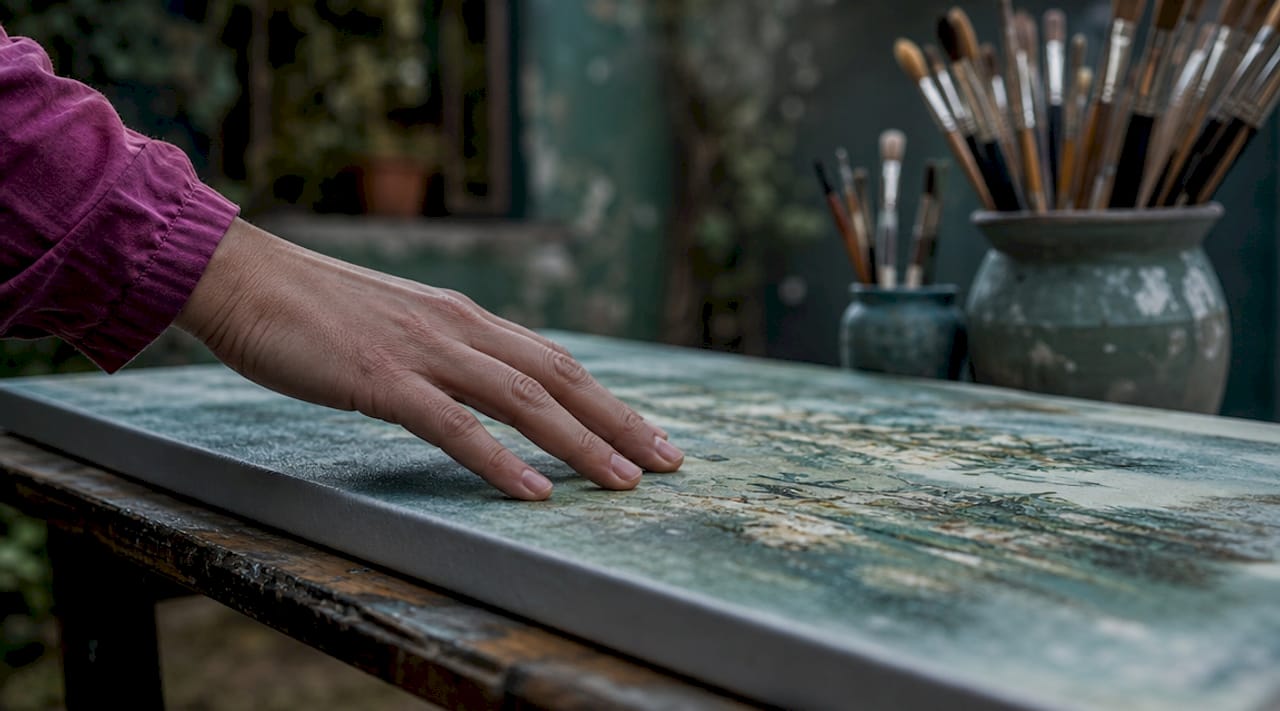
The wooden stretcher frame behind the canvas determines the print’s structural integrity. Gallery-wrap construction folds the printed image around the frame edges, eliminating the need for a border or additional framing. Standard wrap depth is typically 1.5 inches, while deep gallery wraps reach 2 inches, adding more three-dimensional presence on the wall.
Print resolution is the third quality variable. Image resolution of 150 to 300 DPI at the final print size prevents pixelation. For a 24x36 inch canvas, that translates to a minimum of 3,600x5,400 pixels. Submitting a low-resolution phone photo for a large canvas print is the most common mistake buyers make, and the canvas texture will not hide soft or blurry source images.
Archival pigment inks resist fading and UV damage significantly better than dye-based inks, which is why reputable printers use them exclusively for fine art reproduction. Dye-based inks may appear vivid initially but degrade faster in bright rooms.
| Quality Factor | What to Look For |
|---|---|
| Canvas fabric | Cotton or poly-cotton blend, 400-450 GSM |
| Frame construction | Kiln-dried pine stretcher bars, gallery-wrap finish |
| Print resolution | 150-300 DPI at final print size |
| Ink type | Archival pigment inks, not dye-based |
| Coating | UV-protective varnish or laminate layer |
Pro Tip: Ask any printer whether they use archival pigment inks before ordering. If they cannot confirm this, the print’s longevity in a sun-facing room is not guaranteed.
How do canvas prints compare to paper prints and original paintings?
Canvas and fine art paper serve different visual purposes. Canvas texture softens fine detail, which reduces sharpness compared to smooth fine art paper but enhances painterly effects. This makes canvas the preferred substrate for abstract, impressionist, or painterly works where the weave adds visual character. Fine art paper, by contrast, delivers higher color fidelity and sharper detail, making it the better choice for detailed photography or intricate illustrations.
Canvas prints also differ from posters in a fundamental structural way. Canvas prints include sturdy wooden frames and gallery wrap construction, giving them depth and ready-to-hang durability that a flat poster rolled in a tube cannot replicate. A poster requires a separate frame and glass to achieve a comparable presentation, adding cost and weight.
The distinction between a canvas print and an original canvas painting is equally important. Prints are reproductions using inks; originals involve hand-applied paint, producing unique texture, raised brushwork, and paint edges that no printing process can fully replicate. A print of a painting can be produced in unlimited editions. An original is singular by definition.
One counterintuitive fact worth knowing: not all canvas prints are more archival than fine art paper prints. A properly framed and UV-glazed fine art paper print can outlast an unprotected canvas print in a bright environment. The substrate alone does not determine longevity. Ink quality, coating, and environmental conditions all contribute.
- Canvas prints: Best for abstract, painterly, and large-format works. No glass required. Depth and texture add visual weight to a wall.
- Fine art paper prints: Best for photography and detail-rich images. Higher color accuracy. Requires framing and glazing for protection.
- Posters: Budget option. Flat, no depth. Requires separate framing for a finished look.
- Original paintings: One-of-a-kind. Hand-applied paint with physical texture. Higher investment, greater uniqueness.
For a detailed side-by-side analysis, the canvas vs paper comparison at Emansgallery covers both substrates across multiple decor contexts.
How to choose the right canvas print for your living space
Size is the first decision, and the most consequential. Canvas art should cover 60 to 75% of the furniture width beneath it for visual balance. A 200cm sofa calls for a canvas between 120cm and 150cm wide. Going smaller creates a floating, disconnected look. Going larger overwhelms the furniture and the wall.
Vertical placement follows a separate standard. The center of the canvas should sit at eye level, which interior designers define as 57 to 60 inches from the floor. Leave 6 to 10 inches between the bottom edge of the canvas and the top of the furniture beneath it. This spacing prevents the piece from appearing crowded against the sofa or console table.
Image selection requires matching the artwork’s character to the canvas substrate. Because canvas weave acts as a natural softening filter, images where slight softness enhances the aesthetic work best. Abstract compositions, botanical illustrations, seascapes, and landscape paintings all translate well. Highly detailed architectural photography or macro images lose critical sharpness on canvas.
Color palette coordination matters more than most buyers anticipate. The canvas print does not need to match your furniture exactly. It needs to share at least one or two tones with the room’s existing palette to feel intentional rather than accidental. A neutral room benefits from a canvas with one strong accent color. A room with bold existing colors calls for a more restrained print.
Pro Tip: Before ordering, print a scaled paper version of the artwork at the intended dimensions and tape it to the wall. This confirms size and placement before committing to the final piece.
For more guidance on sizing relative to room scale, the art print sizes guide at Emansgallery breaks down dimensions by room type and wall area.
What maintenance keeps a canvas print looking its best?
Canvas prints require minimal but specific care. Follow these steps to preserve the print’s appearance over time:
- Dust regularly with a soft, dry microfiber cloth or a feather duster. Canvas texture accumulates dust due to its porous weave. Monthly dusting prevents buildup that can dull the surface.
- Never use water, spray cleaners, or chemical solvents on the canvas surface. Water and chemical cleaners risk ink bleeding and fabric distortion. Dry cleaning only.
- Keep the print away from direct sunlight. UV exposure degrades even archival pigment inks over time. Position the canvas on walls that receive indirect or diffused light.
- Control humidity in the room. High humidity causes the canvas fabric to expand and the wooden frame to warp. Rooms with consistent humidity between 40 and 55 percent are ideal.
- Handle the frame, not the canvas surface. Pressing on the printed surface risks denting the fabric or cracking the ink layer, particularly on older prints.
- Inspect the stretcher bars annually. If the canvas appears loose or slightly slack, most gallery-wrap frames include small wooden keys in the back corners that can be tapped inward to re-tension the fabric.
For a full maintenance protocol, the art print maintenance guide at Emansgallery covers long-term preservation across canvas and paper substrates.
Key takeaways
A canvas art print is defined by its substrate, frame construction, ink quality, and placement, and each factor directly determines how the piece performs in a home environment.
| Point | Details |
|---|---|
| Canvas print definition | An image printed on textured fabric, stretched over a wooden frame, ready to hang without glass. |
| Material quality | Cotton or poly-cotton canvas at 400-450 GSM with archival pigment inks delivers the best longevity. |
| Canvas vs paper | Canvas suits painterly and abstract works; fine art paper delivers sharper detail for photography. |
| Size and placement | Cover 60-75% of furniture width; center the canvas at 57-60 inches from the floor. |
| Care and maintenance | Dust with a dry microfiber cloth monthly; avoid water, chemicals, and direct sunlight. |
Why canvas prints still earn their place on the wall
I have worked with canvas prints long enough to have a clear opinion on where they succeed and where buyers get misled. The technology behind giclée printing on cotton canvas has genuinely improved. Archival pigment inks in 2026 produce color depth and tonal range that would have required an original painting to achieve twenty years ago. That is a real advancement, not marketing language.
What I find underappreciated is the role of texture in how we perceive art in a room. A flat poster or a framed photo print reads as a photograph on a wall. A canvas print reads as an artwork. The weave introduces a subtle visual complexity that changes with the light in the room throughout the day. For abstract and painterly compositions, that quality is not a compromise. It is the point.
Where I see buyers go wrong is treating canvas prints as a substitute for original art rather than a complement to it. A well-chosen canvas print anchors a room and sets a visual tone. An original painting does something different. It carries the specific energy of a hand that made it. The two serve different functions, and a considered home decor approach uses both.
My practical advice: choose canvas prints for large-format statement pieces where the texture and scale work together. Reserve fine art paper for smaller, detail-rich works where precision matters. And when a piece genuinely moves you, consider the original.
— Eman
Explore canvas art prints at Emansgallery
Emansgallery offers a curated selection of museum-quality canvas prints across styles including abstract, geometric, conceptual expressionism, and landscape, all produced with archival pigment inks on premium cotton canvas.
The Private Eye conceptual canvas print and the Fragments of Memory abstract print represent two distinct directions in the current collection. For buyers looking across the full range, the wall art prints collection covers canvas and framed options sized for every room scale. Original paintings by Eman Khalifa are also available for collectors seeking one-of-a-kind works. Emansgallery ships worldwide from the UK, USA, Canada, Australia, Germany, France, UAE, and beyond.
FAQ
What is a canvas art print, exactly?
A canvas art print is a reproduction of an image printed onto textured canvas fabric, typically cotton or poly-cotton blend, and stretched over a wooden frame. It requires no glass and hangs ready-to-display, replicating the visual depth of a traditional painting.
How long does a canvas print last?
Canvas prints made with archival pigment inks and kept away from direct sunlight can last decades without significant fading. Dye-based ink prints in bright environments degrade considerably faster.
What resolution do I need for a large canvas print?
For a 24x36 inch canvas, a minimum of 3,600x5,400 pixels at 150 DPI is recommended to avoid visible pixelation. Higher resolution source files always produce sharper results at large sizes.
Is canvas or paper better for photography?
Fine art paper delivers sharper detail and higher color accuracy for photography. Canvas is better suited to painterly or abstract images where the fabric texture adds visual character rather than obscuring fine detail.
How do I clean a canvas print?
Use a soft, dry microfiber cloth or feather duster to remove dust. Never apply water, spray cleaners, or chemical solvents to the canvas surface, as these risk ink bleeding and fabric damage.
Stay Connected
- ✨ Explore Eman Khalifa's original art, fine art prints and art-inspired merchandise.
- Follow Eman Khalifa's art journey on: Instagram @emans_gallery and Facebook
- Watch Eman Khalifa creating live art on: YouTube @emans_gallery
