


7 Expert Wall Art Color Tips for Luxury Interiors
Choosing artwork for luxury interiors can feel overwhelming when you want every detail to reflect both elegance and purpose. The right wall art colors do much more than fill space—they can transform the mood, energy, and overall harmony of a room. If you struggle to balance bold statements with calming neutrals, or you are unsure how to match art with existing accents, you’re not alone.
This list will show you actionable ways to use color psychology and proven design strategies directly in your home. You will discover how to select wall art colors that enhance your environment, create dramatic contrasts, and set the perfect ambiance for any space. Each insight gives you practical steps to curate an interior where your art speaks with intention and style. Get ready to unlock methods that turn your walls into a powerful part of your luxury design.
Table of Contents
- 1. Choose Wall Art Colors That Enhance Your Space
- 2. Balance Bold Hues With Neutral Wall Tones
- 3. Match Artwork Colors To Room Accents
- 4. Create Contrast For Dramatic Impact
- 5. Layer Artwork With Complementary Shades
- 6. Use Artwork Colors To Set Mood And Ambiance
- 7. Coordinate Multiple Artworks For A Cohesive Look
Quick Summary
| Key Insight | Detailed Explanation |
|---|---|
| 1. Choose colors that enhance mood | Select artwork colors based on emotional impact, like blues for calm and yellows for energy. By understanding color psychology, you can create desired ambiances. |
| 2. Balance bold artwork with neutrals | Use the 60-30-10 rule to mix 60% neutrals, 30% secondary colors, and 10% bold tones for visually appealing interiors without overwhelming the space. |
| 3. Coordinate artwork with room accents | Harmonize artworks with existing decor colors to create a cohesive look. This enhances the visual narrative and ensures a well-designed space. |
| 4. Create contrast for visual intrigue | Use contrasting colors, textures, and sizes in artwork to draw attention and add dynamic energy. Balance is key to avoid chaos or monotony. |
| 5. Layer complementary colors strategically | Combine artworks with colors opposite on the color wheel for visual depth and harmony. This technique can elevate your design and enhance emotional resonance. |
1. Choose Wall Art Colors That Enhance Your Space
Selecting the right wall art colors can dramatically transform your luxury interior, creating an atmosphere that reflects both style and emotional resonance. Understanding how color influences mood and perception allows you to strategically choose art pieces that not only complement your space but actively enhance its visual and emotional environment.
Color psychology reveals that different hues trigger specific neurological and emotional responses. Color influences on mood and perception demonstrate how carefully selected wall art can create specific atmospheric effects in your living spaces. Warm colors like reds and oranges energize a room, while cool blues and greens promote calm and relaxation.
When choosing wall art colors, consider these strategic approaches:
Color Harmony Principles:
- Match artwork colors with existing room color schemes
- Select complementary colors that create visual depth
- Use color wheel principles to create balanced visual compositions
Emotional Impact Strategies:
- Blue tones promote intellectual focus and tranquility
- Green artwork introduces natural balance and serenity
- Yellow pieces boost creativity and optimistic energy
Luxury interiors require nuanced color selection. Pay attention to how artwork colors interact with your room’s lighting, furniture, and architectural elements. A mustard yellow abstract piece might energize a minimalist living room, while a deep blue seascape could transform a bedroom into a peaceful retreat.
Pro tip: Test artwork colors by using digital visualization tools or creating small color board mockups before final installation to ensure perfect interior integration.
2. Balance Bold Hues with Neutral Wall Tones
Mastering the art of combining bold artwork with neutral wall tones is essential for creating sophisticated luxury interiors that feel both dynamic and harmonious. The right balance can transform your space from ordinary to extraordinary, ensuring your wall art becomes a captivating focal point without overwhelming the room.
Balancing bold and neutral elements requires a strategic approach that considers color proportion and visual weight. The classic 60 30 10 design rule provides an excellent framework for achieving this delicate equilibrium.
Color Balance Principles:
- 60% neutral tones (walls, large furniture)
- 30% secondary color (accent furniture, area rugs)
- 10% bold colors (artwork, decorative accessories)
Neutral Palette Foundations:
- Soft whites create clean backdrops
- Warm grays provide sophisticated depth
- Beige tones offer subtle warmth
- Pale pastels introduce gentle visual interest
When selecting wall art, choose pieces that have bold colors strategically placed within a predominantly neutral composition. An abstract painting with vibrant reds and oranges can electrify a room with soft gray walls, creating a dynamic visual conversation without sensory overload.
Consider texture and pattern as additional tools for balancing bold artwork. Textured neutral backgrounds like linen or subtle geometric wallpapers can provide visual complexity that complements intense art colors without competing for attention.
Pro tip: Create a color mockup using digital design tools or physical color swatches to preview how your bold artwork will interact with neutral wall tones before final installation.
3. Match Artwork Colors to Room Accents
Creating a visually harmonious luxury interior requires strategic color coordination between your artwork and room accents. The right color connections transform a space from merely decorated to thoughtfully designed, elevating your aesthetic experience.
Harmonizing artwork with room colors involves understanding color relationships and intentional design principles. This approach goes beyond simple color matching to create a sophisticated visual narrative that enhances your entire interior.
Color Matching Strategies:
- Extract accent colors from existing room decor
- Use artwork as a color bridge between different design elements
- Select pieces with complementary or analogous color palettes
- Create visual depth through strategic color layering
Color Coordination Techniques:
- Monochromatic approach: Select artwork with varying shades of a dominant room color
- Complementary colors: Choose art with colors opposite your room’s primary palette
- Tonal matching: Pick artwork with subtle color echoes from furniture or accessories
Consider a living room with soft gray furniture and navy blue throw pillows. An abstract painting featuring deep navy tones and light gray brushstrokes would create a seamless visual connection, tying the room together with intentional design precision.
Remember that color matching is not about exact replication but about creating visual harmony. Small color echoes can make significant design impacts, transforming your artwork from a standalone piece to an integral part of your interior composition.
Pro tip: Use a color wheel or digital design app to preview how potential artwork colors will interact with your existing room accents before making a final selection.
4. Create Contrast for Dramatic Impact
Luxury interior design thrives on strategic visual tension. Contrast is the secret weapon that transforms ordinary spaces into extraordinary environments, making your wall art not just a decoration but a powerful design statement.
Powerful principles of interior contrast reveal how intentional differences can elevate your design aesthetic. Contrast is more than just opposing colors it is about creating visual dialogue and energy within your space.
Contrast Creation Strategies:
- Color contrast: Pair complementary or opposite color tones
- Texture contrast: Combine smooth and rough surfaces
- Scale contrast: Mix large and small art pieces
- Style contrast: Blend modern and traditional artwork
Contrast Techniques for Wall Art:
- Place light artwork against dark walls
- Integrate geometric pieces with organic room elements
- Use metallic frames on matte wall backgrounds
- Select bold colorful art for minimalist spaces
Imagine a crisp white contemporary room with a large abstract painting featuring deep navy and vibrant coral. The artwork becomes an electrifying focal point, breaking the room’s visual monotony and introducing dynamic energy.
Remember that successful contrast is about balance. Too much contrast creates chaos while too little results in boredom. The goal is to create visual intrigue that draws the eye and sparks conversation.
Pro tip: Use a digital design app to preview artwork contrast before purchasing to ensure the perfect visual balance in your luxury interior.
5. Layer Artwork with Complementary Shades
Mastering the art of layering complementary shades transforms your wall art from a simple decoration to a sophisticated design statement. Understanding how colors interact can create visual depth and emotional resonance in luxury interiors.
Complementary color schemes reveal the powerful dynamic between colors positioned opposite on the color wheel. These pairings generate vibrant energy while maintaining visual harmony.
Complementary Color Layering Techniques:
- Red and green artwork against neutral backgrounds
- Blue and orange pieces creating visual tension
- Purple and yellow accent combinations
- Blend complementary colors through varying artwork textures
Strategic Layering Principles:
- Use color wheel opposites as primary artwork strategy
- Incorporate split complementary color schemes
- Balance intense colors with neutral elements
- Consider artwork texture alongside color interaction
For instance, a deep blue abstract painting with orange geometric elements placed against a soft gray wall creates a sophisticated visual dialogue. The complementary colors spark visual interest while the neutral background prevents overwhelming the space.
Successful color layering requires subtle nuance. Aim for intentional color conversations that feel natural and effortless rather than forced or chaotic.
Pro tip: Utilize digital color preview tools to experiment with complementary artwork combinations before final installation to ensure perfect visual balance.
6. Use Artwork Colors to Set Mood and Ambiance
Your wall art is more than a decorative element it is a powerful psychological tool that can dramatically transform the emotional landscape of your luxury interior. Colors speak a silent language that influences human perception and emotional experience.
Color psychology in interior design reveals how specific hues can strategically shape room atmosphere and personal well-being. Understanding this color language allows you to curate spaces that intentionally evoke desired emotional responses.
Mood Mapping Color Strategies:
- Blue artwork promotes tranquility and focus
- Green pieces introduce natural calmness
- Yellow art boosts creativity and optimism
- Red accents stimulate energy and passion
- Purple tones suggest luxury and introspection
- Orange elements encourage social interaction
Room Specific Color Recommendations:
- Bedrooms: Soft blues and greens for relaxation
- Home offices: Yellow and green for mental clarity
- Living rooms: Warm oranges and reds for social energy
- Meditation spaces: Neutral and lavender tones
Immagine a home office featuring a large abstract painting with vibrant green and soft yellow tones. These colors subtly enhance concentration and creative thinking while maintaining a sophisticated aesthetic.
Remember that color impact is nuanced. The intensity, context, and personal associations all contribute to how a particular hue influences mood.
Pro tip: Create digital mockups of potential artwork to preview how its colors will interact with and transform your specific interior environment.
7. Coordinate Multiple Artworks for a Cohesive Look
Creating a harmonious gallery wall requires more than randomly hanging artwork. Strategic coordination transforms individual pieces into a unified visual narrative that elevates your luxury interior design.
Curating home gallery design involves understanding how different artworks can communicate and complement each other seamlessly.
Artwork Coordination Principles:
- Maintain consistent color undertones
- Balance visual weight across pieces
- Create rhythm through strategic placement
- Use similar frame styles or materials
- Establish a connecting visual theme
Gallery Wall Composition Strategies:
- Anchor with larger statement pieces
- Use smaller artworks to create visual flow
- Mix abstract and representational styles
- Incorporate varied textures and mediums
- Preserve negative space between pieces
Imagine a living room featuring three abstract paintings with subtle blue green undertones. Each piece varies in style and scale but shares a cohesive color palette, creating a sophisticated visual dialogue that feels intentional and curated.
Successful artwork coordination is about creating visual conversations. Each piece should complement the others while maintaining its individual character.
Pro tip: Arrange artworks on the floor or use digital visualization tools to experiment with layout before final wall installation.
Below is a comprehensive table summarizing the strategies and concepts for effectively using wall art colors to enhance luxury interior spaces as discussed in the article.
| Focus Area | Key Insights | Implementation Tips |
|---|---|---|
| Choosing wall art colors | Colors can transform a space and influence its mood and ambiance. | Use warm colors like reds for energy and cool colors like blues for calmness. |
| Enhancing with bold and neutral tones | Balance bold artwork with neutral wall tones using the 60-30-10 design rule. | Consider proportions: 60% neutral, 30% secondary, and 10% bold colors. |
| Harmonizing colors with accents | Match or complement artwork colors to your existing room accents for a cohesive look. | Use artwork as a bridge between different design elements, pulling from a shared or complementary color palette. |
| Creating contrast | Pair strong contrasts in color, texture, or style to enhance the dynamic impact of artwork in a luxury interior. | Consider contrasting elements like light against dark or smooth against rough textures. |
| Layering complementary shades | Implement complementary color schemes to achieve visual harmony and vibrant energy. | Use colors opposite on the color wheel, such as blue and orange, and adjust the intensity for balance. |
| Setting mood and ambiance | Different colors in artwork evoke specific emotions, influencing the room’s atmosphere. | Choose blue for calmness, red for energy, yellow for creativity, and green for balance, adjusting to the room’s purpose. |
| Coordinating multiple artworks | A gallery wall with coordinated pieces creates a unified and aesthetic visual narrative. | Align artworks using consistent color undertones, varying sizes for flow, and similar framing styles. |
This table provides an overview of how to thoughtfully select and integrate wall art into luxury interiors to enhance aesthetics and create desired atmospheres.
Elevate Your Luxury Interiors with Perfectly Colored Wall Art
Choosing the right wall art colors to enhance your luxury interior can feel overwhelming, especially when balancing bold hues, creating contrast, and setting the right mood. You want your walls to speak sophistication and emotional depth without clashing or feeling chaotic. This is exactly where Eman’s Gallery shines. Our curated selection of premium Canvas Art Prints by Eman Khalifa offers a variety of original artworks with thoughtfully crafted color palettes designed to harmonize with your space and lifestyle.
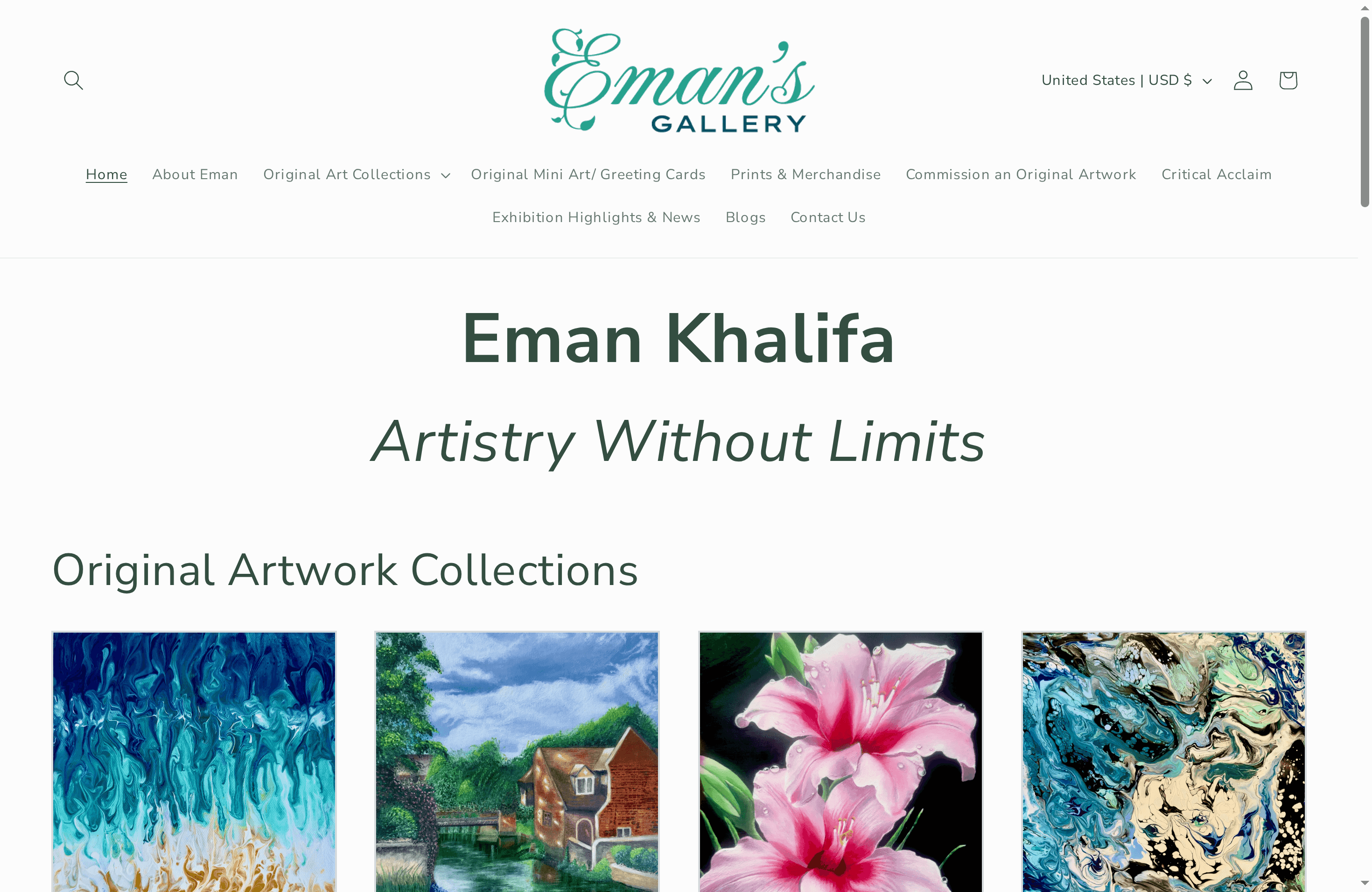
Discover how expertly layered complementary shades and strategic use of color can transform your rooms into captivating environments. Explore our Art Prints on Canvas for Inspired Home Decor | Shop Unique Designs and find pieces that balance bold color with neutral tones effortlessly. Whether you seek to create a calming ambiance or a dynamic focal point, now is the perfect moment to bring your interior vision to life. Visit Eman’s Gallery and experience art that not only decorates but truly elevates luxury living.
Frequently Asked Questions
How can I choose wall art colors that enhance my luxury interiors?
Selecting wall art colors that enhance your luxury interiors involves understanding color psychology and mood influences. Start by considering how different hues can evoke emotions and select pieces that align with the atmosphere you want to create in your space.
What is the best way to balance bold artwork with neutral wall tones?
To balance bold artwork with neutral wall tones, follow the 60-30-10 rule: 60% neutral tones for walls and large furniture, 30% secondary colors for accents, and 10% bold colors for artwork. Experiment with this formula to achieve a sophisticated look that draws attention to your art without overwhelming the room.
How do I match artwork colors to my room’s accents?
To match artwork colors to your room’s accents, extract key accent colors from your existing decor and find art that incorporates these shades. Use color wheels to visualize combinations and create a cohesive design narrative across your space.
What techniques can I use to create contrast with my wall art?
Use contrast techniques by pairing complementary colors, mixing textures, and varying sizes of art pieces. Place light artwork against dark walls or include bold pieces in minimalist spaces for visual impact, ensuring you maintain a sense of balance in your design.
How can I layer artwork with complementary shades effectively?
Layering artwork with complementary shades involves selecting colors opposite on the color wheel that create visual tension. Begin by incorporating pieces that share a cohesive palette while balancing hues to avoid overwhelming the space, allowing for a sophisticated overall design.
What colors should I use in artwork to set the right mood in different rooms?
Choose colors strategically based on the room’s purpose: soft blues and greens for bedrooms to promote relaxation, yellow and green for home offices to stimulate creativity, and warm oranges and reds for living rooms to foster social energy. Consider how each color’s emotional impact can align with the desired ambiance.
Recommended
- Choosing Color Schemes for Art to Inspire Interiors
- Art Styles Explained: Shaping Luxury Interiors
- Role of Art Prints in Interior Design Luxury Spaces
- Art Showcasing Techniques for Luxurious Interiors
- 21 Facts About Roy Lichtenstein – Art-O-Rama Shop
Stay Connected
- ✨ Explore Eman Khalifa’s original art and fine art prints
- 📸 Follow Eman Khalifa’s art journey on: Instagram @emans_gallery and Facebook Eman’s Gallery
- 📹 Watch Eman Khalifa creating live art on: YouTube @emans_gallery
