


History of Art Prints: Legacy and Modern Impact
Over 90 percent of American art buyers have difficulty distinguishing original prints from mass-produced reproductions. This confusion matters because the difference between a mechanically copied poster and a genuine fine art print can dramatically impact both enjoyment and long-term value. By uncovering what truly defines an art print and dispelling common misconceptions, collectors and enthusiasts can navigate the art world with greater confidence and appreciation for artistic technique.
Table of Contents
- Defining Art Prints And Common Misconceptions
- Evolution Of Printmaking Across Centuries
- Major Printmaking Movements And Influences
- Modern Methods And Digital Innovation
- Collecting Art Prints: Value And Trends
Key Takeaways
| Point | Details |
|---|---|
| Understanding Art Prints | Art prints are unique reproductions created through complex printmaking techniques, maintaining artistic integrity and detail. |
| Evolution of Printmaking | Printmaking has transformed from primitive techniques to sophisticated art forms influenced by historical advancements and cultural movements. |
| Modern Digital Innovations | Contemporary printmaking integrates digital tools, enhancing creative possibilities and allowing for greater experimentation in artistic expression. |
| Collecting Insights | The value of art prints is influenced by factors like edition size, artist reputation, and provenance, making thorough research crucial for collectors. |
Defining Art Prints and Common Misconceptions
Art prints represent unique artistic reproductions that transform original artworks into accessible mediums for art enthusiasts and collectors. Unlike simple mechanical reproductions, printmaking involves complex artistic techniques that require significant skill and creative interpretation.
Printmaking encompasses several sophisticated techniques including relief, intaglio, lithography, and screenprinting. Each method involves the artist transferring an original image onto another surface like paper or canvas through specialized processes. These techniques allow artists to create multiple high-quality versions of their original artwork while maintaining artistic integrity and nuanced visual details.
Here’s a concise overview of major printmaking techniques and their unique characteristics:
| Printmaking Technique | Main Process | Distinct Characteristics |
|---|---|---|
| Relief | Carved raised surface | Bold contrast, graphic lines |
| Intaglio | Incised lines hold ink | Fine detail, rich texture |
| Lithography | Drawn on stone/metal | Smooth tones, soft shading |
| Screenprinting | Stencil-based process | Vivid color, layering effects |
Common misconceptions about art prints frequently emerge from misunderstanding their creative complexity. Many people incorrectly assume prints are simply mass-produced copies lacking artistic value. However, contemporary artists have continuously innovated within printmaking, developing intricate methods that transform reproduction into a sophisticated art form. Professional printmakers invest significant technical expertise to ensure each print represents a genuine artistic expression.
Pro Tip: Research Authenticity: Always verify an art print’s provenance and edition number, which confirms its artistic legitimacy and potential future value in your collection.
Evolution of Printmaking Across Centuries
Printmaking has undergone a remarkable transformation throughout human history, evolving from primitive mark-making techniques to sophisticated artistic processes. The journey of printmaking reveals a profound story of technological innovation and artistic democratization, tracing back thousands of years to early human communication methods.
The origins of printmaking can be traced to ancient civilizations, where early cultures used techniques like woodblock printing and relief carving to document stories and communicate complex ideas. By the Renaissance period, artists like Albrecht Dürer revolutionized printmaking, elevating it from a mere reproductive technique to a sophisticated art form. These pioneering artists developed intricate methods of etching, engraving, and lithography that allowed for unprecedented levels of detail and artistic expression.
Historical printing technologies emerged through remarkable milestones, ranging from the invention of cuneiform writing to the groundbreaking Gutenberg press. Each technological advancement expanded the possibilities for artistic reproduction, gradually transforming printmaking from a specialized craft into a widely accessible medium. The industrial revolution further accelerated these developments, introducing mechanical reproduction techniques that dramatically increased the potential for widespread artistic dissemination.
Pro Tip: Collect Historical Context: When collecting art prints, research the specific printing technique and historical period to understand the technological and artistic nuances that shaped each unique piece.
Major Printmaking Movements and Influences
Printmaking movements across different cultures and historical periods have profoundly shaped artistic expression, reflecting complex social, political, and cultural narratives. From European Renaissance techniques to Japanese woodblock printing, each movement represented a unique approach to visual storytelling and artistic innovation.
The 18th and 19th centuries witnessed remarkable diversity in printmaking styles. European artists like Francisco de Goya pioneered visual satire through intricate etching techniques, while Japanese ukiyo-e artists developed woodblock printing that captured everyday life with unprecedented delicacy. The Renaissance of etching dramatically transformed artistic reproduction techniques, with pioneers like Albrecht Dürer introducing sophisticated methods that expanded the boundaries of graphic representation.
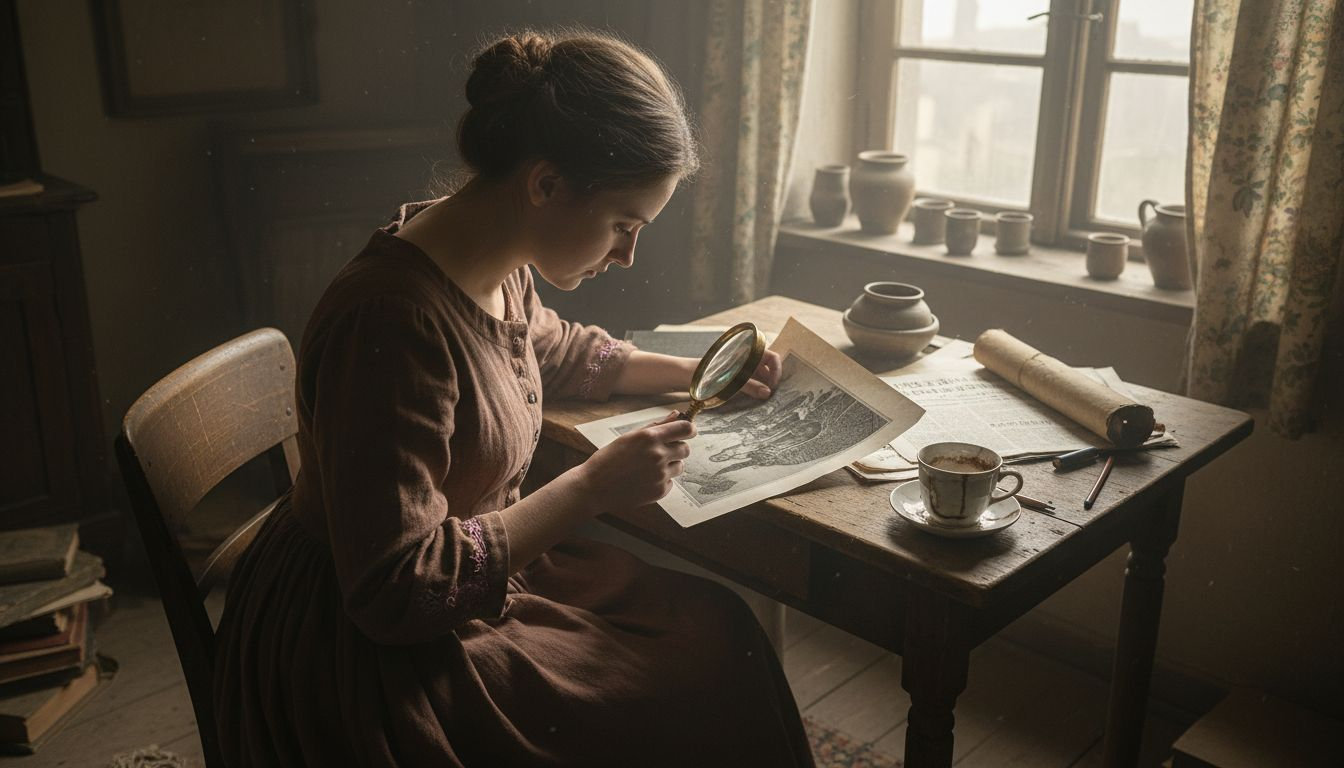
Different cultural traditions brought unique perspectives to printmaking. Japanese artists emphasized subtle color gradations and minimalist compositions, contrasting sharply with European printmakers’ detailed narrative approaches. European movements like Romanticism and Impressionism further pushed printmaking boundaries, using techniques to explore emotional landscapes and capture fleeting moments of human experience. These diverse approaches demonstrated printmaking’s potential as a powerful medium for artistic communication and cultural expression.
Pro Tip: Cultural Exploration: Study prints from different cultural traditions to understand how artistic techniques reflect unique societal perspectives and historical contexts.
Modern Methods and Digital Innovation
Contemporary printmaking has undergone a radical transformation with the integration of digital technologies and innovative methodologies, challenging traditional boundaries between analog and digital artistic practices. Artists now leverage advanced digital tools to expand the creative potential of printmaking, blending centuries-old techniques with cutting-edge technological innovations.
Digital technologies have revolutionized printmaking processes, enabling artists to experiment with unprecedented levels of precision and complexity. Technological advancements have introduced sophisticated materials and interdisciplinary approaches that transcend traditional printmaking limitations. Computer-assisted design software, high-resolution digital printers, and advanced graphic manipulation tools now allow artists to create intricate designs that were previously impossible through traditional methods.
Modern printmaking education reflects this technological evolution, with art institutions incorporating comprehensive digital training alongside classical techniques. Artists now seamlessly integrate digital rendering, vector graphics, 3D printing, and laser cutting into their creative workflows. This hybrid approach allows for greater experimentation, enabling artists to push the boundaries of visual representation and explore new aesthetic possibilities that merge traditional craftsmanship with contemporary technological innovation.
Pro Tip: Technical Exploration: Invest time in learning both traditional printmaking techniques and digital design tools to develop a versatile and adaptive artistic skill set.
Collecting Art Prints: Value and Trends
The art print market represents a dynamic ecosystem where artistic merit, historical significance, and collaborative craftsmanship intersect, creating complex valuation parameters for collectors. Understanding these nuanced factors transforms art print collecting from a simple acquisition process into a sophisticated investment strategy.
Print editions carry inherent value based on multiple critical elements. Rarity plays a crucial role, with limited edition prints from renowned artists commanding significantly higher prices. Historical movements and institutional recognition dramatically influence print valuation, with prints from specific artistic periods or created by influential artists becoming highly sought-after collector’s items. Factors like print number, artist signature, printing technique, and overall condition contribute to determining an artwork’s market worth.
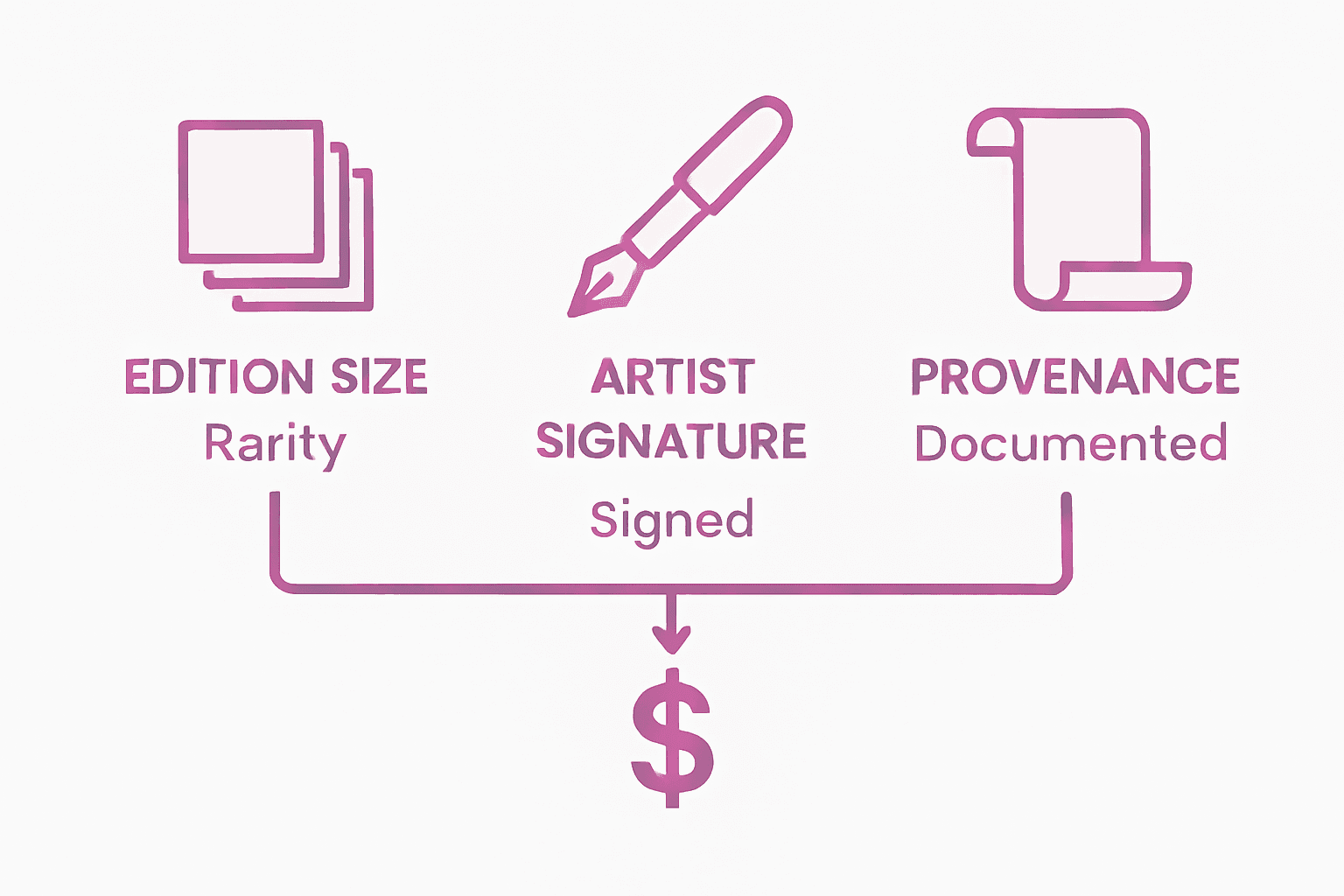
This table summarizes key factors impacting art print value for collectors:
| Factor | Impact on Value | Collector Consideration |
|---|---|---|
| Edition Size | Smaller generally higher | Seek limited/rare editions |
| Artist Reputation | Increases desirability | Research artist prominence |
| Print Condition | Excellent boosts worth | Inspect for damage or fading |
| Provenance | Strong history adds value | Confirm documentation and ownership |
Contemporary art print collecting has evolved beyond traditional acquisition models, embracing digital platforms, global marketplaces, and emerging artists. Collectors now have unprecedented access to diverse print collections, enabling them to explore works from international artists and niche movements. The democratization of art collecting has expanded market opportunities, allowing both seasoned collectors and emerging enthusiasts to participate in this dynamic artistic landscape.
Pro Tip: Provenance Research: Always thoroughly investigate a print’s complete historical documentation, including artist credentials, edition details, and previous ownership to ensure authentic valuation.
Explore the Legacy of Art Prints with Exclusive Canvas Creations
The history of art prints reveals a rich journey of craftsmanship, cultural significance, and evolving artistic expression. If you are inspired by the blend of heritage and modern innovation in printmaking, you understand the desire to own art that tells a story beyond decoration. At Eman’s Gallery, we recognize the challenge collectors face in finding authentic, museum-quality prints that honor this legacy while bringing contemporary vibrancy into your space.
Elevate your art experience with our Canvas Art Prints by Eman Khalifa | Premium Giclée Wall Art – Eman’s Gallery.
Browse unique creations where traditional artistry meets today’s techniques. Each piece celebrates the evolution of printmaking with original style and exceptional quality. Start building your meaningful collection today by visiting Wall Art Prints | Canvas & Framed Art Prints by Eman Khalifa – Eman’s Gallery or explore the full range of artwork at Eman’s Gallery. Your journey to owning timeless art begins now.
Frequently Asked Questions
What are art prints and how do they differ from original artworks?
Art prints are reproductions of original artworks created through various printmaking techniques. Unlike simple mechanical reproductions, art prints embody artistic skill and interpretation, allowing for high-quality versions of the original piece while maintaining artistic integrity.
What are the main printmaking techniques used in creating art prints?
The major printmaking techniques include relief, intaglio, lithography, and screenprinting. Each of these methods features distinct processes and characteristics, such as bold contrasts in relief prints and fine details in intaglio prints.
How has printmaking evolved throughout history?
Printmaking has evolved from primitive mark-making techniques to sophisticated artistic processes. Historical advancements, such as the Gutenberg press and the innovations by artists during the Renaissance, have dramatically transformed printmaking into a widely accessible medium for artistic expression.
What factors should collectors consider when assessing the value of art prints?
Collectors should consider factors such as the edition size, artist reputation, print condition, and provenance. Limited edition prints from renowned artists tend to have higher value, while thorough documentation of an artwork’s history enhances its worth.
Recommended
- What Is an Art Print? Complete Guide for 2025 – Eman’s Gallery
- Complete Guide to Valuing Art Prints – Eman’s Gallery
- Complete Guide to Why Collect Art Prints – Eman’s Gallery
- Why Artists Make Prints: Complete Expert Guide – Eman’s Gallery
Stay Connected
- ✨ Explore Eman Khalifa’s original art and fine art prints
- 📸 Follow Eman Khalifa’s art journey on: Instagram @emans_gallery and Facebook Eman’s Gallery
- 📹 Watch Eman Khalifa creating live art on: YouTube @emans_gallery
