

Step-by-Step Guide to Custom Art Commissions Success
Over 60 percent of American art commissioners say clarifying expectations is the key to a rewarding experience. Whether you are seeking a unique centerpiece or a custom gift, knowing how to communicate your vision and budget helps avoid misunderstandings with artists. This guide will show you practical steps to approach every stage of the American art commission process, giving you more confidence from the first conversation to the final delivery.
Table of Contents
- Step 1: Define Your Vision And Budget
- Step 2: Research And Select The Right Artist
- Step 3: Communicate Your Requirements Clearly
- Step 4: Approve The Proposal And Timeline
- Step 5: Review Progress And Provide Feedback
- Step 6: Confirm Completion And Arrange Delivery
Quick Summary
| Key Point | Explanation |
|---|---|
| 1. Define your vision and budget | Establish clear artistic goals and budget upfront to guide your collaboration effectively. |
| 2. Research and select the right artist | Choose an artist whose style matches your vision and whose professionalism is established. |
| 3. Communicate your requirements clearly | Create a detailed brief to ensure mutual understanding and clarity in the commission process. |
| 4. Approve the proposal and timeline | Carefully review the artist’s proposal to ensure alignment on project expectations and timelines. |
| 5. Review progress and provide feedback | Schedule regular check-ins to assess progress, maintaining open lines of communication for constructive feedback. |
Step 1: Define your vision and budget
Defining your art commission vision and budget is the critical first step that sets the foundation for a successful collaboration. This process helps you translate your creative aspirations into a clear roadmap while ensuring financial alignment with the artist.
Start by conducting honest self reflection about what you truly want from your custom artwork. Ask yourself key questions like what emotions or themes you want the piece to evoke, where it will be displayed, and how it should complement your existing space. Consider creating a comprehensive business plan using tools like ClickUp’s Artist Business Plan Template which can help you systematically outline your artistic goals and constraints.
Your budget conversation with the artist should be transparent and detailed. Research typical pricing for similar commissioned works in your preferred art style. Most artists price based on factors like size, complexity, medium, and time investment. Pro tip: Always discuss pricing upfront to avoid misunderstandings and include potential revision costs in your initial budget planning. Allocate 10 to 20 percent extra for unexpected adjustments or additional customization.
By thoroughly defining your vision and budget early, you create a solid framework that empowers both you and the artist to create a truly personalized masterpiece that meets your artistic and financial expectations.
Step 2: Research and select the right artist
Researching and selecting the perfect artist for your custom art commission is a nuanced process that requires careful exploration and strategic evaluation. Your goal is to find an artist whose creative style resonates deeply with your vision while demonstrating professional reliability and artistic excellence.

Begin your search by exploring diverse platforms where artists showcase their work art galleries, social media platforms, online art marketplaces, and professional networks. Examine portfolios meticulously to understand each artist’s unique style, technical skill, and range of artistic expression. Consulting resources like the Scottish Contemporary Art Network can provide structured guidance for selecting artists through direct invitations and professional evaluation methods. Pay special attention to artists who have experience in the specific style or medium you desire for your commission.
Develop a comprehensive evaluation strategy that goes beyond aesthetic appeal. Review the artist’s professional background professional website, client testimonials, previous commission experiences, communication responsiveness, and turnaround times. Pro tip: Request to see detailed examples of past commissioned works similar to your project and establish clear communication about expectations, timelines, and potential revision processes. A transparent initial conversation can reveal the artist’s professionalism and compatibility with your artistic vision.
By conducting thorough research and thoughtfully selecting your artist, you lay the groundwork for a collaborative creative journey that transforms your artistic vision into a remarkable custom artwork.
Step 3: Communicate your requirements clearly
Communicating your art commission requirements with precision and clarity is the cornerstone of transforming your creative vision into a tangible masterpiece. This critical step ensures that both you and the artist share a mutual understanding of the project’s scope, expectations, and desired outcome.
Prepare a detailed brief that encompasses every aspect of your desired artwork. Include specific information about size, preferred medium, color palette, emotional tone, and any symbolic elements you want incorporated. Visual references can be incredibly powerful use mood boards, existing artworks, or even personal photographs that capture the essence of what you envision. Sketch rough ideas if possible or provide screenshots of elements that inspire you. Be as descriptive as possible while remaining open to the artist’s creative interpretation.
Establish clear communication channels and set expectations from the start. Discuss potential revision processes, timeline for completion, and preferred method of progress updates. Pro tip: Create a shared document or use project management tools that allow both you and the artist to track progress, share feedback, and maintain transparent communication throughout the creative process. Remember that effective communication is a collaborative dialogue not a one way directive. Be receptive to the artist’s professional insights and creative suggestions while maintaining the integrity of your original vision.
Step 4: Approve the proposal and timeline
Approving the art commission proposal and timeline is a pivotal moment that transforms your artistic vision from concept to concrete reality. This step requires careful review, strategic negotiation, and mutual agreement to ensure both parties are aligned on expectations and project parameters.
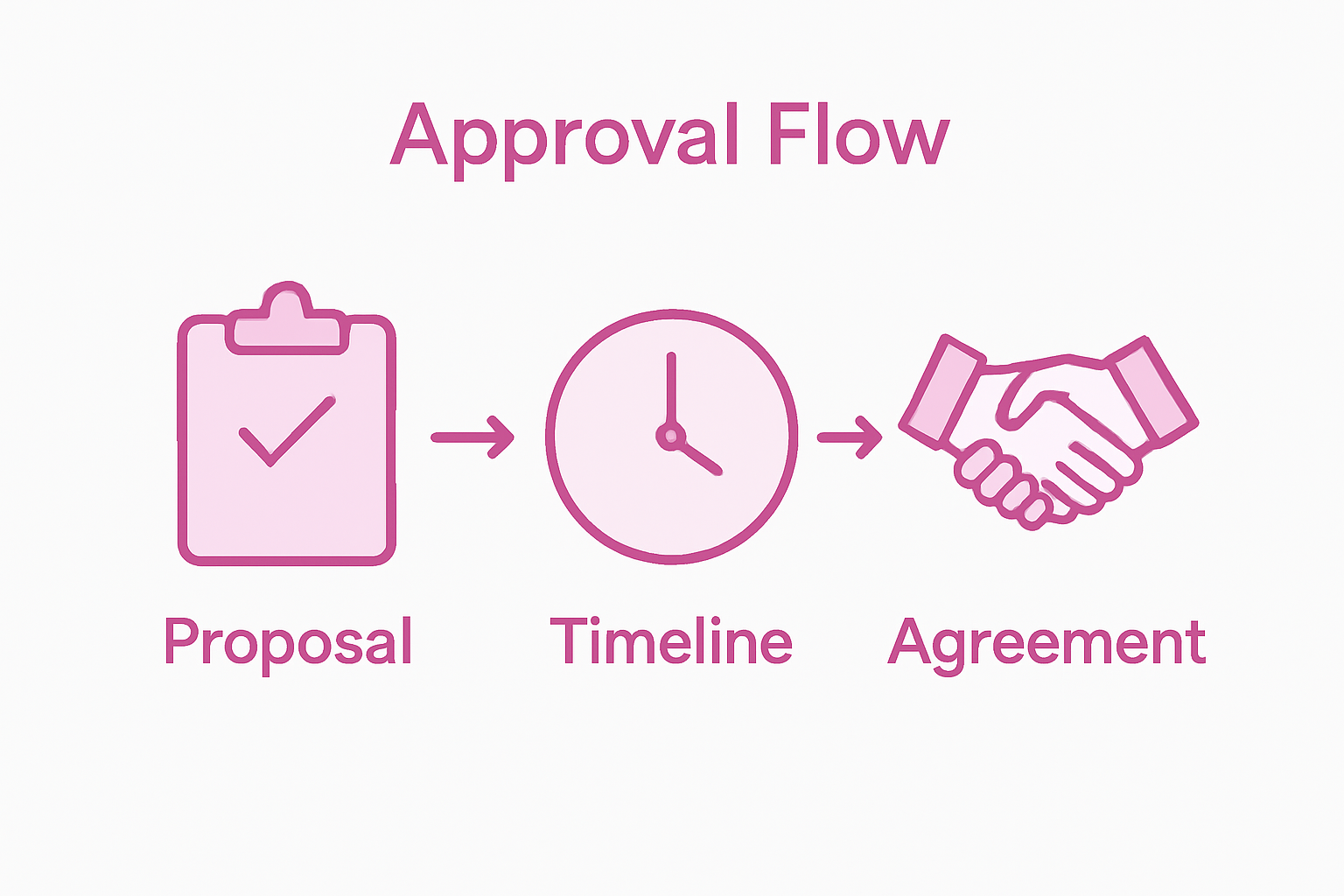
Referencing comprehensive guidelines from public art management resources, develop a meticulous approach to evaluating the artist’s proposal. Scrutinize every detail of the submitted documentation including artistic renderings, proposed materials, estimated completion dates, and financial breakdown. Pay close attention to how the proposed timeline accommodates potential creative adjustments and aligns with professional recommendations about artists’ availability and project deadlines.
When reviewing the proposal, focus on more than just aesthetic elements. Assess the practicality of the proposed timeline, considering potential complexities in the creative process. Pro tip: Include buffer periods for unexpected challenges and discuss milestone checkpoints where you can provide feedback and make minor adjustments. A well structured proposal should feel like a collaborative roadmap that respects both the artist’s creative process and your project objectives. By approaching this approval stage with thoroughness and open communication, you set the foundation for a successful artistic collaboration that will bring your vision to life.
Step 5: Review progress and provide feedback
Reviewing the progress of your art commission and providing constructive feedback is a delicate dance that requires sensitivity, clarity, and mutual respect. This crucial stage transforms your artwork from initial concept to refined masterpiece through collaborative dialogue and strategic communication.
Establish a structured approach to progress reviews by scheduling regular checkpoints where the artist can share their work in progress. These intervals allow you to assess how closely the emerging artwork aligns with your original vision while providing opportunities for nuanced guidance. Approach each review with a balanced perspective appreciate the artist’s creative interpretation and professional expertise while also ensuring the piece meets your specific requirements.
When delivering feedback, prioritize specificity and constructiveness. Instead of broad statements like “I do not like this,” articulate precise observations such as “The color palette feels more muted than we originally discussed” or “This section could benefit from more textural depth.” Pro tip: Frame your feedback as collaborative suggestions rather than directives. Use phrases that invite creative problem solving like “What are your thoughts about potentially adjusting…” or “I wonder if we might explore an alternative approach to…” This approach demonstrates respect for the artist’s creative process while maintaining clear communication about your expectations. By maintaining an open and supportive dialogue, you create an environment that encourages artistic innovation and ensures a final artwork that deeply resonates with your vision.
Step 6: Confirm completion and arrange delivery
Confirming the completion of your custom art commission and arranging its final delivery marks the culmination of your collaborative artistic journey. This final stage requires careful attention to detail, clear communication, and a comprehensive evaluation of the finished artwork.
Schedule a final review session where you can examine the completed artwork in person or through high resolution digital images. Carefully assess every aspect of the piece against the original proposal and your initial vision. Verify that all agreed upon elements are present including specific color tones, compositional details, and technical specifications. This is the moment to ensure the artwork meets your expectations and reflects the collaborative process you have undertaken with the artist.
Pro tip: Discuss delivery logistics in advance, including packaging methods, shipping insurance, and potential installation requirements. Consider professional art handling services for valuable or delicate pieces, especially for large scale or fragile artworks. Clarify the final payment process and request a certificate of authenticity from the artist. By approaching this final stage with professionalism and mutual respect, you transform your commissioned artwork from a conceptual project into a tangible masterpiece that will become a cherished part of your personal collection.
Bring Your Custom Art Vision to Life with Eman’s Gallery
Navigating the complexities of custom art commissions can feel overwhelming from defining your vision to approving the final piece. This guide helps you tackle critical steps like budgeting, artist selection, and clear communication so your personalized masterpiece exceeds expectations. If you want to experience the beauty of original artwork without the hassle of commissioning, explore the stunning collections at Contemporary Realism – Eman’s Gallery or discover unique styles in the Contemporary – Eman’s Gallery category.
Start your artistic journey today by browsing one-of-a-kind creations with worldwide shipping at Eman’s Gallery. Unlock the ease of owning museum-quality pieces that reflect your taste without negotiation or delays. Take action now and find the perfect artwork that resonates with your vision and enriches your space.
Frequently Asked Questions
What should I include in my vision and budget for a custom art commission?
To effectively define your vision and budget, include specific details about the emotions or themes you want the artwork to evoke, its intended display location, and how it should complement your existing space. Conduct thorough research on typical pricing for similar works and plan to allocate an additional 10 to 20 percent for any unexpected adjustments.
How do I find the right artist for my custom art commission?
Begin your search by exploring various platforms like art galleries, social media, and online art marketplaces to find artists whose styles resonate with you. Review their portfolios, and ensure they have experience in the specific style or medium you desire before reaching out for a collaboration.
What should I include in my communication brief for the artist?
Prepare a clear brief that details every aspect of your desired artwork, such as size, medium, color palette, and any specific themes. Visual references like mood boards or photographs can be very helpful to convey your vision more effectively.
What steps should I take to review the artist’s progress on my commission?
Establish scheduled checkpoints to review the artist’s work in progress, allowing for constructive feedback and adjustments. When providing feedback, be specific about what you would like to see improved or adjusted in the artwork.
How do I confirm that my custom art commission is complete?
Conduct a final review of the completed artwork to check all agreed-upon details like color and composition. Schedule a session to examine the piece thoroughly before discussing delivery logistics and final payment.
What considerations should I keep in mind when arranging delivery for my commissioned artwork?
Discuss packaging methods, shipping insurance, and installation requirements in advance to ensure safe delivery. Consider using professional art handling services, especially for larger or delicate pieces.
Recommended
- What Is Custom Artwork and Why It Matters – Eman’s Gallery
- Personalizing Art Prints: Step-by-Step Guide for Unique Decor – Eman’s Gallery
- How to Spot Authentic Art: A Step-by-Step Guide – Eman’s Gallery
- 7 Art Collector Tips for Valuable Collections – Eman’s Gallery
- Inspiring Hair Artistry Ideas for Your Next Look
Stay Connected
- ✨ Explore Eman Khalifa’s original art and fine art prints
- 📸 Follow Eman Khalifa’s art journey on: Instagram @emans_gallery and Facebook Eman’s Gallery
- 📹 Watch Eman Khalifa creating live art on: YouTube @emans_gallerye
