


6 Best Framed Art Ideas for Luxury Interiors
Designing a luxury interior with art isn’t just about filling wall space. You want your collection to feel intentional, harmonious, and expressive—yet achieving that balance often feels elusive. Picking the right frames, integrating diverse styles, and coordinating colors can easily seem overwhelming without expert guidance.
The solution? Specific, proven strategies can transform your artwork into a powerful part of your home’s story. From custom framing selections to mixing art styles, you’ll discover approaches used by professionals to create visually stunning and cohesive luxury spaces.
Get ready for actionable insights that will show you how to curate, place, and style your art so every piece works together to enhance your room’s atmosphere. This list reveals practical steps that bring both sophistication and creative personality to your interiors.
Table of Contents
- 1. Choose Custom Framing For Unique Impact
- 2. Mix Art Styles For Dynamic Visual Interest
- 3. Optimal Art Placement To Elevate Spaces
- 4. Coordinate Art Colors With Room Decor
- 5. Use Oversized Frames For Statement Walls
- 6. Curate Art Gallery Walls For Sophisticated Appeal
Quick Summary
| Takeaway | Explanation |
|---|---|
| 1. Invest in Custom Framing | Quality framing enhances your art while ensuring it harmonizes with your interior design. Choose materials, colors, and styles deliberately for maximum impact. |
| 2. Mix Art Styles Intentionally | Combining different artistic styles adds depth and interest to your space, creating a story that reflects your personality and curated taste. |
| 3. Use Strategic Art Placement | Place art at eye level and consider scale and proportion to guide attention and establish visual flow throughout your rooms. |
| 4. Coordinate Art Colors with Decor | Ensure your artwork’s colors echo those in your room decor to create a cohesive and sophisticated aesthetic that feels intentional. |
| 5. Create Gallery Walls with Care | A well-planned gallery wall tells a cohesive story through careful curation, layout, and frame selection, enhancing the visual appeal of your space. |
1. Choose Custom Framing for Unique Impact
Custom framing transforms artwork from a simple piece into a carefully curated design element that anchors your space. When you invest in quality framing, you’re not just protecting your art—you’re making a deliberate statement about your aesthetic vision.
The frame you choose acts as a bridge between your artwork and the room itself. A poorly selected frame can diminish even exceptional art, while the right frame amplifies its impact and creates visual harmony with your surroundings.
Why Custom Framing Matters for Luxury Interiors
Luxury interiors demand precision and intentionality. Off-the-shelf frames rarely meet the standards your space deserves. Custom framing allows you to control every element—from the frame material and color to the mat style and mounting technique—ensuring seamless integration with your design scheme.
Professionals emphasize that frame style, color, and size selection are key factors in creating a cohesive visual statement. Your frame becomes part of the architectural language of the room.
Consider these critical decisions when customizing your frame:
- Material selection: Wood, metal, or mixed materials depending on your interior palette
- Color coordination: Match wall tones, accent colors, or create intentional contrast
- Mat choices: Width, texture, and color all influence the final presentation
- Glass or acrylic: UV-protective options preserve artwork longevity
- Mounting style: Floating frames, traditional matting, or shadow boxes create different visual effects
Each choice reflects your design sophistication and understanding of spatial composition.
Real-World Application
Imagine a geometric abstract painting in your minimalist penthouse. A sleek metal frame in matte black or brushed gold complements the clean lines and contemporary aesthetic. The same painting in an ornate gold frame would clash entirely. Custom framing prevents these costly mismatches.
The investment in proper framing also protects your original artwork. Archival-quality materials prevent fading, warping, and deterioration—essential for pieces you’ll treasure for decades.
Pro tip: Always bring paint chips, fabric samples, and architectural photos to your custom framing consultation to ensure your frame harmonizes perfectly with your interior design palette.
2. Mix Art Styles for Dynamic Visual Interest
Mixing art styles creates visual richness that prevents your space from feeling static or one-dimensional. When done intentionally, combining different artistic approaches tells a story that reflects your personality and sophisticated taste.
The magic happens when you balance contrasting elements thoughtfully. A contemporary abstract piece next to a classical landscape, or modern geometric art alongside traditional still-life paintings, creates tension and intrigue that draws the eye and invites conversation.
Why Style Mixing Works in Luxury Interiors
Monotony is the enemy of compelling design. Spaces that feature only one art style can feel predictable and uninspired, regardless of quality. Mixing styles adds personality and depth that makes your collection feel carefully curated rather than randomly assembled.
Successful combinations balance contrasting periods, themes, or aesthetics to create cohesive visual storytelling. Different styles complement each other when arranged with intention and supported by thoughtful framing choices.
Consider these strategic mixing approaches:
- Balance abstract and realistic works to create visual contrast without chaos
- Use visual anchors like coordinated frames to unify disparate styles
- Harmonize color palettes across different pieces to maintain visual flow
- Combine varying scales to create dynamic composition
- Mix periods and movements to celebrate creative diversity
Practical Implementation
Start by selecting pieces that speak to you, then find the unifying element. This might be art styles that complement luxury interiors through color, theme, or emotional resonance.
For example, pair a bold geometric abstract with a soft watercolor landscape. Both can work beautifully together if you use frames that echo similar finishes or tones. The frames become the visual bridge connecting disparate styles.
Avoid creating chaos by maintaining some consistency. Your wall color, frame materials, and mat selections should provide visual continuity even as art styles vary dramatically.
Effective style mixing produces compelling gallery displays that feel intentional and curated, enhancing luxury interiors with genuine depth and personality.
Common Mixing Combinations
- Modern abstract with vintage botanical prints
- Contemporary photography with classical figure studies
- Geometric art with impressionist landscapes
- Minimalist line drawings with ornate still-life paintings
Each pairing creates interest through deliberate contrast while maintaining overall design harmony.
Pro tip: Create a unifying element by selecting frames with consistent finishes across different art styles—this makes eclectic combinations feel intentional rather than haphazard.
3. Optimal Art Placement to Elevate Spaces
Where you hang your art matters as much as what you choose. Strategic placement transforms artwork from decoration into a powerful design tool that shapes how people experience your entire space.
The right placement guides attention, creates focal points, and establishes visual flow throughout your rooms. Poor placement, conversely, can make even exceptional art feel disconnected and underutilized.
Understanding Placement Principles
Expert art placement integrates scale, proportion, and visual hierarchy to create maximum impact. These principles work together to guide the eye naturally while maintaining balance between different sized pieces.
Consider your artwork’s relationship to surrounding architectural elements. A large statement piece above a fireplace creates a natural focal point, while smaller works arranged in a gallery wall invite closer inspection and storytelling.
Think about sight lines and how people move through your space. Art should be positioned at comfortable viewing height, typically 57 to 60 inches from the floor to the center of the frame in living areas.
Key Placement Strategies
- Position statement pieces above furniture or architectural features to anchor rooms
- Create visual balance by mixing large focal pieces with smaller supporting works
- Use lighting intentionally to highlight artwork and prevent glare
- Consider traffic flow when arranging pieces so they don’t obstruct natural movement
- Maintain consistent spacing in gallery walls, typically 2 to 3 inches between frames
Practical Application
Art showcasing techniques for luxurious interiors emphasize how materials and lighting work together to frame art effectively. Strategic lighting enhances colors and prevents the piece from disappearing into shadows.
In hallways, linear arrangements with consistent spacing create rhythm and guide movement. In living rooms, asymmetrical arrangements feel more contemporary and dynamic than perfectly centered pieces.
Optimal placement creates focal points that elevate your entire space while harmonizing with surrounding architecture and decor.
Test placements before committing. Use painter’s tape to outline frames on your wall, live with the arrangement for several days, and adjust as needed. Your eye will tell you when spacing and alignment feel correct.
Pro tip: Hang art 57 to 60 inches from floor to frame center in most rooms, but adjust for eye level when sitting—place art slightly lower in seating areas to account for how people naturally view it.
4. Coordinate Art Colors with Room Decor
Color coordination between your artwork and room decor creates visual harmony that ties your entire space together. When art colors echo your furniture, walls, or accents, the room feels intentional and sophisticated rather than randomly decorated.
Mismatched art colors can feel jarring, making even beautiful pieces seem out of place. Strategic color coordination, however, transforms art into a unifying design element that enhances your entire aesthetic.
Understanding Color Theory for Art Selection
Successful coordination relies on understanding color theory and complementary palettes. You don’t need art to match your walls exactly—instead, you’re creating visual dialogue through strategic color relationships.
Three primary approaches work beautifully in luxury interiors: complementary colors (opposites that create dynamic contrast), analogous colors (neighboring hues that feel cohesive), and monochromatic schemes (varying shades of single colors for sophistication).
Consider how color schemes for art inspire interior design by pulling accent tones from your existing palette. If your sofa features jewel tones, artwork featuring similar hues creates visual continuity.
Practical Color Coordination Strategies
- Pull dominant colors from furniture and walls, then find art featuring these tones
- Use accent colors in artwork to highlight decorative pillows or architectural details
- Create visual flow by repeating colors across multiple pieces in a room
- Balance warm and cool tones to establish emotional ambiance
- Coordinate frame finishes with metal tones in your decor for added cohesion
Real-World Application
Imagine a neutral gray wall with warm beige furniture and brass accents. Artwork featuring warm golds, soft earth tones, and complementary burgundy hues would enhance this scheme beautifully. The painting becomes the room’s focal point while reinforcing your existing color narrative.
Conversely, artwork in cool blues and teals against the same walls creates tension and visual interest without feeling chaotic. The key is intentionality.
Effective color coordination enriches your sensory experience, ensuring art enhances rather than competes with your room’s decor.
Don’t fear using bold colors in artwork. Even vibrant pieces work when they echo or complement colors already present in your space through furniture, rugs, or window treatments.
Pro tip: Bring paint chips and fabric swatches from your furniture and walls when selecting artwork—this ensures color coordination happens naturally rather than through guesswork.
5. Use Oversized Frames for Statement Walls
Oversized frames transform blank walls into commanding focal points that demand attention and define your space. A single large framed artwork can anchor an entire room and elevate its design sophistication instantly.
Statement walls created with oversized frames add drama and visual weight to luxury interiors. Unlike small pieces that fade into the background, bold frames command presence and establish the room’s aesthetic narrative.
Why Oversized Frames Work
Scale and proportion are critical in luxury design. An oversized frame draws the eye and creates visual anchor points that balance spatial dimensions. These frames prevent walls from feeling empty or underdeveloped, transforming them into intentional design statements.
Proper scale ensures the frame complements artwork without overwhelming it. A frame that’s too thin or delicate disappears against a large canvas, while one that’s too ornate competes with the art itself.
Oversized frames work across multiple materials and styles, from sleek hardwood to contemporary metal finishes to classic ornamental designs. This flexibility allows personalization while maintaining architectural balance.
Strategic Placement Approaches
- Position above key furniture like sofas or dining tables to create visual hierarchy
- Use floor-to-ceiling arrangements for dramatic impact in high-ceilinged rooms
- Pair single large pieces with surrounding negative space for modern minimalism
- Combine multiple oversized frames in gallery walls for editorial sophistication
- Place over architectural features like fireplaces to emphasize existing focal points
Implementation Considerations
Selecting and living with oversized art frames requires understanding how scale transforms spaces. A 48-inch frame in a 10-foot ceiling room creates presence, while the same frame in an 8-foot room might feel cramped.
Measure your wall space carefully and visualize proportions before committing. Consider how the room’s architectural elements—windows, doors, and ceiling height—interact with your framed statement piece.
Oversized frames positioned thoughtfully transform blank walls into engaging visual narratives that elevate room sophistication dramatically.
The artwork inside matters too. Bold abstracts, large-scale photography, and expansive landscapes thrive in oversized frames. Busy or intricate artwork can feel chaotic when enlarged.
Pro tip: Use painter’s tape to outline your proposed frame size on the wall and live with it for a few days before purchasing—this prevents expensive scaling mistakes.
6. Curate Art Gallery Walls for Sophisticated Appeal
Gallery walls elevate your space from ordinary to museum-quality when curated with intention and precision. A thoughtfully designed gallery wall tells a cohesive story that reflects your aesthetic vision and celebrates your art collection.
The difference between a cluttered wall and a sophisticated gallery lies in intentional curation. Professional approaches involve careful planning, thematic consistency, and strategic frame selection that transforms individual pieces into a unified artistic narrative.
Planning Your Gallery Wall
Start by sketching your layout on paper or using digital tools before hanging anything. This planning stage prevents costly mistakes and ensures your arrangement achieves visual balance and harmony.
Sophisticated gallery walls typically follow one of two approaches: structured grids for symmetry or organic arrangements for dynamic flow. Grid layouts feel modern and controlled, while organic arrangements feel collected and curated over time.
Establish thematic consistency through subject matter, color palettes, or artistic style. Your pieces don’t need to match exactly, but they should relate to each other conceptually or aesthetically.
Essential Curation Strategies
- Plan layouts on surfaces before installation to test arrangements
- Mix frame styles with unifying elements like consistent color or material
- Manage visual weight by balancing large and small pieces
- Layer complementary artworks that create emotional resonance
- Coordinate spacing and alignment for intentional composition
Achieving Visual Balance
Gallery wall layouts require mastering frame selection and emotional storytelling to create elevated displays. The frames themselves become part of the composition, either unifying disparate pieces or adding visual contrast.
Consider using consistent frame finishes across different sizes to create coherence. Alternatively, vary frame styles deliberately if they share color palettes or materials.
Sophisticated gallery walls transform collections into cohesive artistic narratives that enrich luxury interiors with refined personality and intentional balance.
Lighting matters tremendously. Thoughtful lighting highlights individual pieces while creating overall ambiance. Picture lights above frames or recessed ceiling lights draw attention to your carefully curated arrangement.
Step back frequently during installation to assess overall composition. What looks balanced at close range might feel cramped from across the room.
Pro tip: Sketch your gallery wall layout at full scale on kraft paper, tape it to the wall, and photograph it from different angles and distances before hanging a single nail.
Below is a comprehensive table summarizing the key strategies and insights discussed in the article regarding interior design and art integration.
| Aspect | Details | Key Insights |
|---|---|---|
| Custom Framing | Enhances the art’s impact and aligns it with interior design. | Emphasize material, color, matting, and size consistency for a cohesive appearance. |
| Mixing Art Styles | Combines varied artistic elements to enrich spaces. | Balance distinct styles with complementary colors or themes for a unified story. |
| Strategic Art Placement | Determines visual flow and spatial balance in a room. | Position pieces at eye level, use focal points, and adapt layouts dynamically. |
| Color Coordination | Aligns artwork colors with interior decor. | Use complementary or harmonious palettes and ensure color transitions are smooth. |
| Oversized Frames | Creates statement walls to showcase impactful art. | Proper scaling and optimal placement establish room dominance and focus. |
| Gallery Walls | Organizes art into a cohesive display on walls. | Plan layouts in advance, maintain visual balance, and align with a specific theme. |
This table organizes the key points from the article to provide a clear and easy reference for understanding effective art integration in interior design.
Elevate Your Luxury Interiors with Custom Framed Art from Eman’s Gallery
Transforming your space begins with choosing the right framed artwork that reflects your unique style while complementing your decor. As the article highlights, custom framing and thoughtful art selection solve common challenges like mismatched styles and poor placement that can undermine your luxury interior’s impact. With Wall Art Prints | Canvas & Framed Art Prints by Eman Khalifa – Eman’s Gallery, you gain access to museum-quality pieces featuring sophisticated frames tailored for elegant spaces.
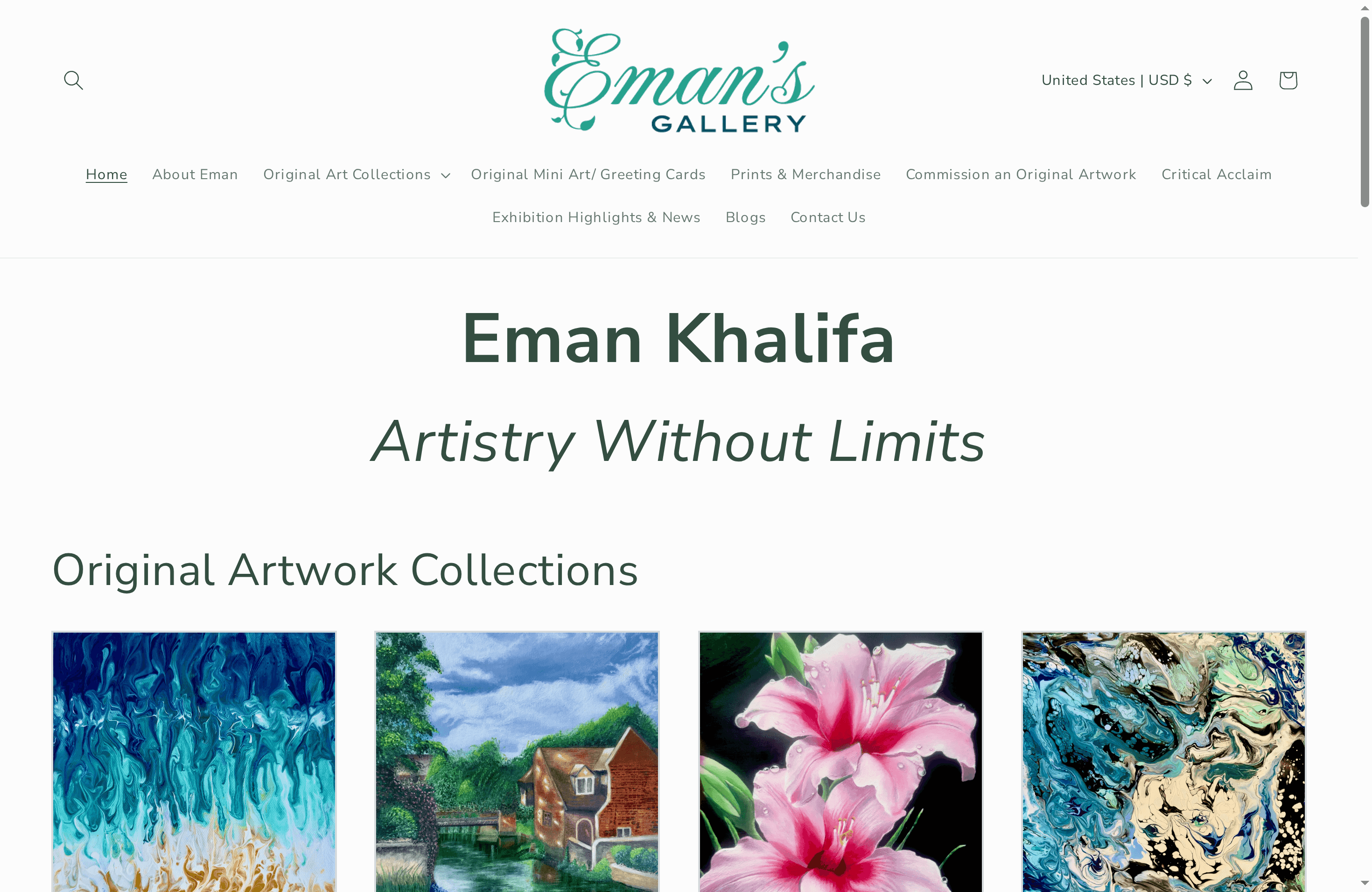
Discover original paintings and large-scale framed wall art that enhance your home with personality and refined balance. Explore art collections designed to harmonize with varied color schemes and styles, making style mixing and color coordination effortless. Visit https://emansgallery.com now to browse inspired designs and start creating your perfect luxury interior today.
Frequently Asked Questions
What are the benefits of custom framing for luxury interiors?
Custom framing enhances the impact of artwork by providing a personalized touch that complements your design scheme. Invest in custom framing to control materials, colors, and styles, ensuring your art becomes a cohesive part of your space’s aesthetic.
How can I mix different art styles effectively in my luxury interior?
Mixing art styles adds depth and personality to your space. Focus on balancing elements like color and subject matter while selecting frames that unify the pieces, creating a dynamic yet harmonious gallery wall.
What should I consider when placing art in my luxury home?
Art placement is crucial for creating focal points and maintaining visual flow. Aim to hang artwork at 57 to 60 inches from the floor to the center of the frame, and position larger pieces above furniture to anchor your design.
How do I coordinate art colors with my room decor?
To create visual harmony, pull dominant colors from your existing decor and find artwork that reflects these hues. Use paint chips or fabric swatches from your room to guide your selections, ensuring cohesive and intentional color coordination.
What are the key strategies for creating a gallery wall in luxury interiors?
Plan your gallery wall layout by sketching your arrangement to achieve visual balance and thematic consistency. Mix different frame styles while maintaining common elements, such as color or material, to transform individual pieces into a cohesive narrative.
How can oversized frames enhance my interior space?
Oversized frames serve as bold statement pieces that can define and elevate a room’s design. Take precise measurements of your wall space to select frames that maintain proper scale, ensuring they command attention without overwhelming the art itself.
Recommended
- Role of Art Prints in Interior Design Luxury Spaces
- Art Styles Explained: Shaping Luxury Interiors
- 7 Expert Wall Art Color Tips for Luxury Interiors
- Art Showcasing Techniques for Luxurious Interiors
- Laser im Interior Design: Kreative Raumgestaltung möglich machen – Laserdienstleistungen
- Champagnergläser gravieren – Exklusive Champagnerschale – Shotglass24
- Luksusowy ręcznik Graphite Noir 50x100 cm z bawełny czesanej
Stay Connected
- ✨ Explore Eman Khalifa’s original art and fine art prints
- 📸 Follow Eman Khalifa’s art journey on: Instagram @emans_gallery and Facebook Eman’s Gallery
- 📹 Watch Eman Khalifa creating live art on: YouTube @emans_gallery
