


Role of Texture in Wall Art – Visual Impact and Depth
Over 60 percent of American households now seek artworks that add depth and tactile appeal to their living spaces. Texture has become a defining feature in contemporary wall art, offering more than just visual interest. It brings a dynamic layer of emotion and depth that resonates with both casual viewers and seasoned collectors. This guide reveals how textured artwork transforms ordinary rooms, providing insight into the creativity and sensory experience behind modern American designs.
Table of Contents
- Defining Texture In Contemporary Wall Art
- Types Of Texture And Artistic Techniques
- How Texture Influences Visual Perception
- Texture’s Emotional And Psychological Effects
- Choosing And Displaying Textured Wall Art
Key Takeaways
| Point | Details |
|---|---|
| Role of Texture | Texture enhances wall art by transforming flat images into dynamic, multisensory experiences. It facilitates emotional communication and complex visual narratives. |
| Types of Texture | There are two primary texture types: actual (tactile) and implied (visual illusion). Artists blend these to create multidimensional artworks that engage viewers from various angles. |
| Psychological Impact | Texture evokes emotional responses, connecting viewers to the artwork on a personal level. Varied surface qualities can trigger memories and sensations, enhancing the overall experience. |
| Display Considerations | When selecting textured wall art, consider how lighting and surrounding architecture interact with the artwork to reveal its dimensionality and aesthetic impact. |
Defining Texture in Contemporary Wall Art
Texture represents the surface quality and visual complexity that transforms wall art from a flat image into a dynamic, multisensory experience. Surface characteristics that can be perceived visually or through touch play a critical role in contemporary artistic expression, enabling artists to communicate depth, emotion, and intricate visual narratives.
In contemporary wall art, texture emerges as a powerful artistic element that goes beyond mere visual representation. Artists strategically employ techniques that create physical dimensionality and visual intrigue, manipulating surface qualities to engage viewers on multiple perceptual levels. These textural techniques might include layering paint, incorporating mixed media, using impasto methods, or creating deliberate surface irregularities that catch light and shadow in compelling ways.
Contemporary art practitioners utilize texture to add depth and dimension, transforming two-dimensional surfaces into immersive visual experiences. Texture can be actual (physically touchable) or implied (creating an illusion of depth through visual techniques), allowing artists unprecedented creative flexibility in communicating complex emotional and aesthetic concepts.
Pro Tip: Texture Selection Strategy: When choosing textured wall art, consider how different surface qualities interact with your room’s lighting and architectural elements to create a dynamic visual narrative that enhances your space’s overall aesthetic environment.
Types of Texture and Artistic Techniques
Contemporary wall art encompasses a diverse range of textural techniques that transform visual experiences. Impasto painting represents one of the most dynamic approaches to creating physical texture, where artists apply thick layers of paint to generate remarkable surface dimensionality. This technique allows painters to create pronounced brush or palette knife marks that catch light and create intricate visual depth, turning the artwork into a sculptural experience.
Artists employ multiple sophisticated methods to introduce texture into wall art. Mixed media techniques have become particularly prevalent, involving combinations of materials like acrylic, oil paint, fabric, sand, and found objects. These approaches allow creators to build complex surfaces with varied tactile qualities, ranging from smooth and glossy to rough and uneven. Grattage techniques introduce unexpected textural patterns by strategically scraping wet paint, revealing underlying layers and creating intricate visual narratives that challenge traditional artistic representation.
Texture in contemporary wall art can be categorized into two primary types: actual and implied. Actual texture involves physical surface variations that viewers can touch and feel directly, while implied texture creates the illusion of depth and dimensionality through visual manipulation of color, shading, and painting techniques. Advanced artists skillfully blend these approaches, generating artwork that appears dynamic and multidimensional from various viewing angles.
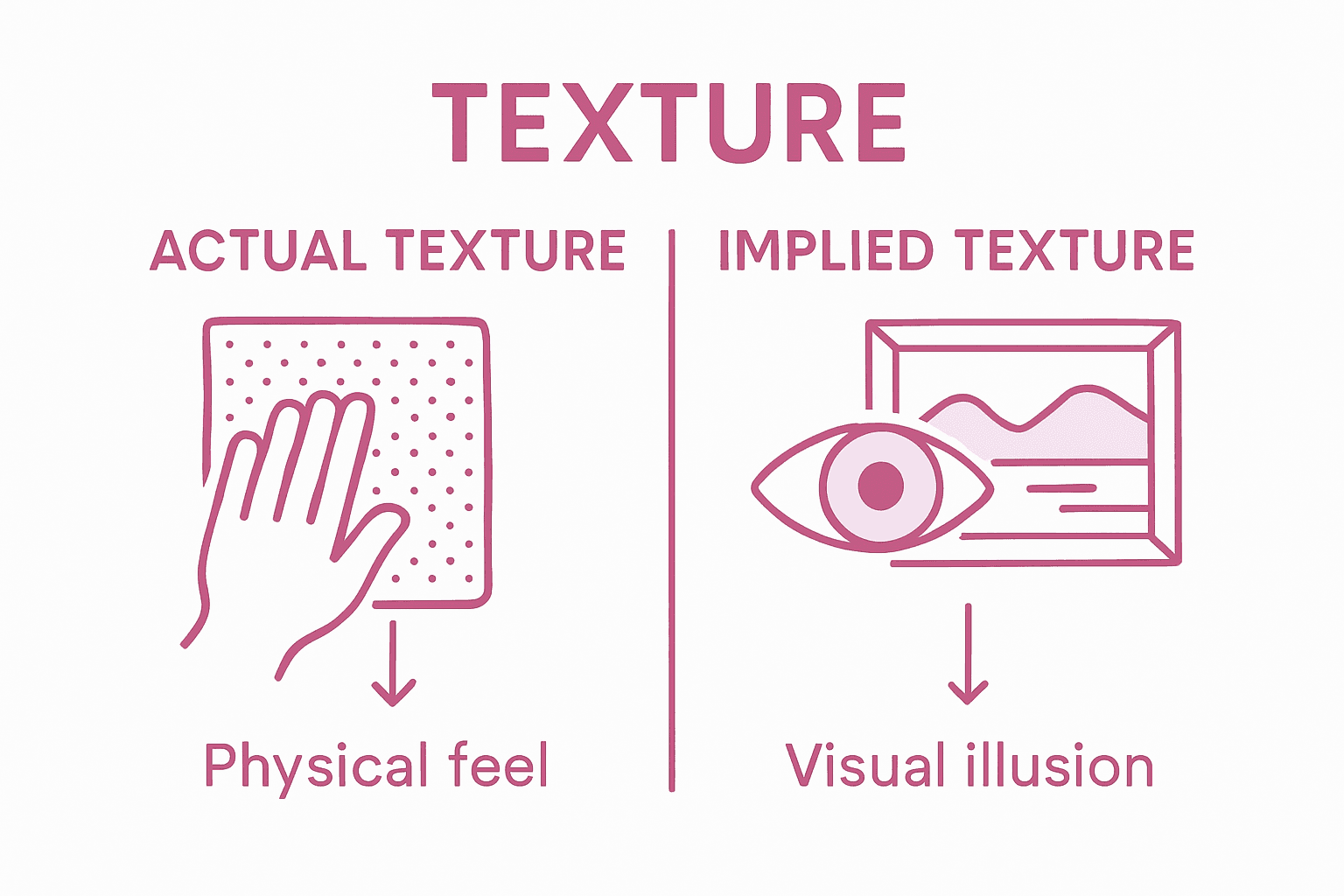
Here’s a comparison of actual versus implied texture in contemporary wall art:
| Texture Type | Description | Viewer Experience | Artistic Techniques Used |
|---|---|---|---|
| Actual Texture | Physically tactile surface quality | Engages touch and sight | Impasto, mixed media, grattage |
| Implied Texture | Illusion created visually | Perceived depth and dimension | Shading, color manipulation |
Pro Tip: Texture Exploration Strategy: Experiment with different lighting conditions when displaying textured artwork to discover how changing light angles can dramatically transform the visual experience and reveal hidden surface details.
How Texture Influences Visual Perception
Visual interaction with texture fundamentally transforms how viewers perceive and engage with artwork, creating a complex sensory experience that goes beyond simple visual observation. Texture manipulates light, shadow, and surface characteristics to generate profound perceptual responses, guiding the viewer’s eye and emotional connection to the piece. The intricate interplay between surface variations and ambient lighting can dramatically alter an artwork’s perceived depth, dimension, and emotional resonance.
Artists strategically utilize textural variations to create psychological and emotional connections with viewers. Different surface qualities can evoke specific sensations and memories, transforming a two-dimensional artwork into a multisensory experience. Rough textures might suggest ruggedness or intensity, while smooth surfaces can communicate elegance and refinement. These subtle textural nuances allow artists to communicate complex narratives and emotional states without relying solely on color or form.
Texture creates powerful associative links between artwork and personal experience, engaging viewers on a deeply personal and intuitive level. By incorporating diverse textural elements, artists can trigger memories, emotions, and sensory associations that transcend traditional visual representation. The tactile quality of an artwork becomes a language of its own, communicating subtle meanings and inviting viewers to explore beyond the immediate visual plane.
Pro Tip: Perception Exploration Method: When viewing textured artwork, observe how changing light conditions reveal different surface qualities and hidden details, allowing you to discover the artwork’s complexity from multiple perspectives.
Texture’s Emotional and Psychological Effects
Artistic texture transforms visual experiences into profound emotional landscapes, serving as a powerful psychological communication tool that transcends traditional visual representation. Different surface qualities can trigger deep-seated emotional responses, creating visceral connections between the artwork and the viewer’s inner emotional world. The subtle interplay of rough, smooth, intricate, and minimalist textures becomes a sophisticated language of sensory communication.
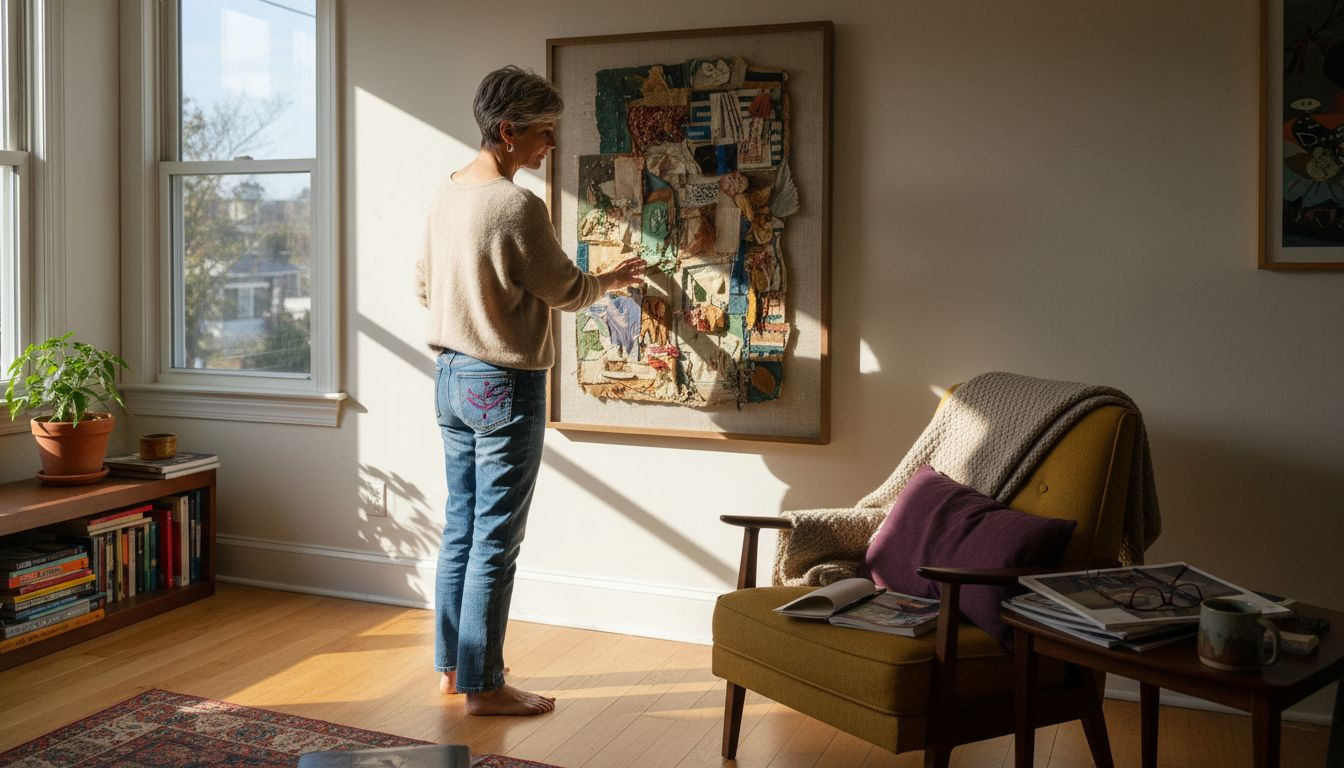
The psychological impact of texture extends beyond simple visual perception. Textural variations can evoke memories, psychological states, and complex emotional narratives. Rough, uneven surfaces might subconsciously communicate struggle, tension, or resilience, while smooth, flowing textures can suggest tranquility, elegance, or introspective calmness. Artists strategically manipulate these textural elements to create nuanced emotional experiences that resonate on subconscious psychological levels.
The table below summarizes how different surface textures can influence emotional response in wall art:
| Texture Quality | Associated Emotion | Psychological Effect |
|---|---|---|
| Rough | Intensity, ruggedness | Suggests struggle or tension |
| Smooth | Calm, elegance | Conveys tranquility |
| Intricate | Curiosity, complexity | Invites deeper exploration |
| Minimalist | Clarity, focus | Promotes introspection |
Texture connects deeply with human sensory experiences and emotional memory, generating powerful associative responses that transcend visual observation. By carefully selecting surface qualities that mirror physical sensations and emotional states, artists create immersive experiences that invite viewers to explore their internal landscapes. Textural elements become a bridge between external artistic representation and viewers’ personal psychological territories, enabling complex emotional dialogues without verbal communication.
Pro Tip: Emotional Texture Exploration: Pay attention to your immediate visceral reactions when viewing textured artwork, observing how different surface qualities unconsciously trigger specific emotional responses and memories.
Choosing and Displaying Textured Wall Art
Selecting the perfect textured wall art requires a strategic approach that considers room dynamics, lighting, and personal aesthetic preferences. Effective art display techniques involve understanding how lighting can dramatically transform textural qualities, revealing intricate surface details and creating captivating visual experiences. Consider the artwork’s texture, color palette, and dimensional qualities when evaluating its potential placement within your living space.
The selection process demands careful consideration of multiple factors. Textured wall art should complement existing interior design elements while creating visual interest and emotional resonance. Consider the artwork’s scale in relation to wall space, ensuring it neither overwhelms nor appears insignificant. Rough, highly tactile pieces work exceptionally well in minimalist spaces, while more delicate, nuanced textures can add sophistication to complex interior environments. Pay attention to color harmony, shadow play, and the artwork’s ability to interact dynamically with surrounding architectural elements.
Lighting plays a crucial role in highlighting textural dimensions. Natural and artificial light sources can dramatically enhance an artwork’s visual impact, casting intricate shadows that reveal surface complexities. Position textured pieces near windows or use adjustable lighting to create depth and visual intrigue. Consider directional lighting that skims the artwork’s surface, accentuating its three-dimensional qualities and creating a mesmerizing interplay of light and shadow.
Pro Tip: Texture Placement Strategy: Experiment with different lighting angles and times of day to discover how your textured artwork transforms, revealing hidden details and creating unique visual experiences throughout changing light conditions.
Experience the Transformative Power of Texture in Your Space
Understanding the critical role of texture in wall art unlocks new ways to enrich your environment. If you seek to add visual impact and depth through actual or implied texture, choosing the right piece that interacts with your room’s lighting and mood is essential. Whether you want to evoke emotions like calm elegance or rugged intensity, texture becomes your bridge to a multisensory experience.
Explore the Canvas Art Prints by Eman Khalifa | Premium Giclée Wall Art – Eman’s Gallery for original artworks that masterfully incorporate textured layers and dynamic surface qualities.

Bring the emotional and psychological effects of texture into your home or office with large-scale wall art that transforms space and perception. Discover unique textured art designed to create lasting impressions and intimate connections. Visit Eman’s Gallery now and find wall art prints that reflect your vision and invite you to experience art on a deeper level.
Frequently Asked Questions
What is the significance of texture in wall art?
Texture enhances the visual impact and depth of wall art, transforming flat images into dynamic, multisensory experiences that engage viewers on multiple levels.
What are the differences between actual texture and implied texture in wall art?
Actual texture involves physical surface variations that can be touched, while implied texture creates an illusion of depth through visual techniques like shading and color manipulation.
How do different textural qualities influence our emotions when viewing wall art?
Different textures can evoke specific emotional responses—rough textures might suggest intensity or struggle, while smooth surfaces can convey calmness and elegance, creating deeper connections between the viewer and the art.
How can lighting affect the visual perception of textured wall art?
Lighting dramatically alters how textured wall art is perceived. It can highlight surface details, create shadows that reveal complexities, and influence the overall emotional impact of the artwork.
Recommended
- Textured Artwork Explained: Styles, Techniques, and Uses – Eman’s Gallery
- Complete Guide to the Role of Texture in Handart – Eman’s Gallery
- Contemporary Wall Art Explained: Complete Overview – Eman’s Gallery
- Complete Guide to Types of Art for Interiors – Eman’s Gallery
Stay Connected
- ✨ Explore Eman Khalifa’s original art and fine art prints
- 📸 Follow Eman Khalifa’s art journey on: Instagram @emans_gallery and Facebook Eman’s Gallery
- 📹 Watch Eman Khalifa creating live art on: YouTube @emans_galleryee
