


Role of Artist in Design Projects: Impact and Value
Over 60 percent of American design professionals say artists are essential for sparking creativity within project teams. As the demand for innovative visual experiences grows, the artist’s role in design has expanded far beyond decoration. Understanding what artists truly contribute—from visual storytelling to shaping brand identity—can help anyone seeking meaningful results in modern design projects.
Table of Contents
- Defining The Artist’s Role In Design Projects
- Types Of Artistic Contributions To Design
- Artist Collaboration With Designers And Clients
- Responsibilities, Rights, And Copyright Issues
- Impact On Space, Branding, And User Experience
- Common Challenges And Mistakes To Avoid
Key Takeaways
| Point | Details |
|---|---|
| Artist’s Role | Artists act as critical catalysts in design projects, translating concepts into impactful visual narratives that merge aesthetics with functionality. |
| Collaborative Contributions | Artists enrich multidisciplinary teams by bringing unique perspectives, creative problem-solving abilities, and emotional intelligence to foster deeper audience connections. |
| Artistic Impact | They shape user experiences through innovative artistic contributions that transform spaces and branding into meaningful, interactive narratives. |
| Professional Responsibilities | Artists must navigate complex contractual agreements while maintaining creative integrity and protecting their intellectual property rights in collaborative environments. |
Defining the Artist’s Role in Design Projects
In the dynamic realm of design projects, artists serve as critical catalysts of visual storytelling and creative innovation. Their role transcends traditional boundaries, transforming conceptual ideas into tangible, visually compelling experiences that communicate complex narratives and emotional landscapes. Artists bring unique perspectives that bridge aesthetic sensibilities with functional design requirements, creating meaningful connections between form, purpose, and human experience.
Within design projects, artists contribute far more than decorative elements. They function as strategic collaborators who introduce depth, nuance, and creative problem solving to multidisciplinary teams. Their training in visual language, composition, color theory, and creative thinking enables them to deconstruct complex challenges and reimagine solutions through innovative visual approaches. Artists can interpret abstract concepts into visual metaphors, helping design teams communicate ideas more effectively and engage audiences on deeper emotional levels.
The artist’s toolkit in design projects encompasses several key capabilities:
- Visual Conceptualization: Translating abstract ideas into compelling visual narratives
- Creative Problem Solving: Developing unique solutions through imaginative thinking
- Emotional Intelligence: Understanding audience perceptions and designing empathetic experiences
- Technical Skills: Utilizing advanced digital and traditional artistic techniques
- Interdisciplinary Collaboration: Working seamlessly across design, marketing, and creative domains
Professional design environments increasingly recognize artists as essential strategic partners who bring transformative creative perspectives. Contemporary design methodologies now actively integrate artistic thinking as a core component of innovative problem solving, acknowledging that creative vision can unlock breakthrough solutions across industries.
By bridging aesthetic sensibilities with functional requirements, artists elevate design projects from mere functional solutions to meaningful, emotionally resonant experiences that connect deeply with human perceptions and aspirations. Their unique ability to blend creativity, technical skill, and strategic thinking makes them indispensable contributors in modern design ecosystems.
Stay Connected
-
✨ Explore Eman Khalifa's original art, fine art prints & art merchandise
-
📸 Follow Eman Khalifa's art journey on: Instagram @emans_gallery and Facebook Eman's Gallery
-
📹 Watch Eman Khalifa creating live art on: YouTube @emans_gallery
-
Supported by BabyLoveGrowth
Types of Artistic Contributions to Design
Artistic contributions to design represent a sophisticated spectrum of creative interventions that transform conceptual ideas into compelling visual experiences. These contributions range from traditional techniques to cutting-edge technological approaches, each bringing unique perspectives and innovative solutions to design challenges. Artists deploy their skills across multiple domains, leveraging diverse methodologies to enhance visual communication and functional aesthetics.
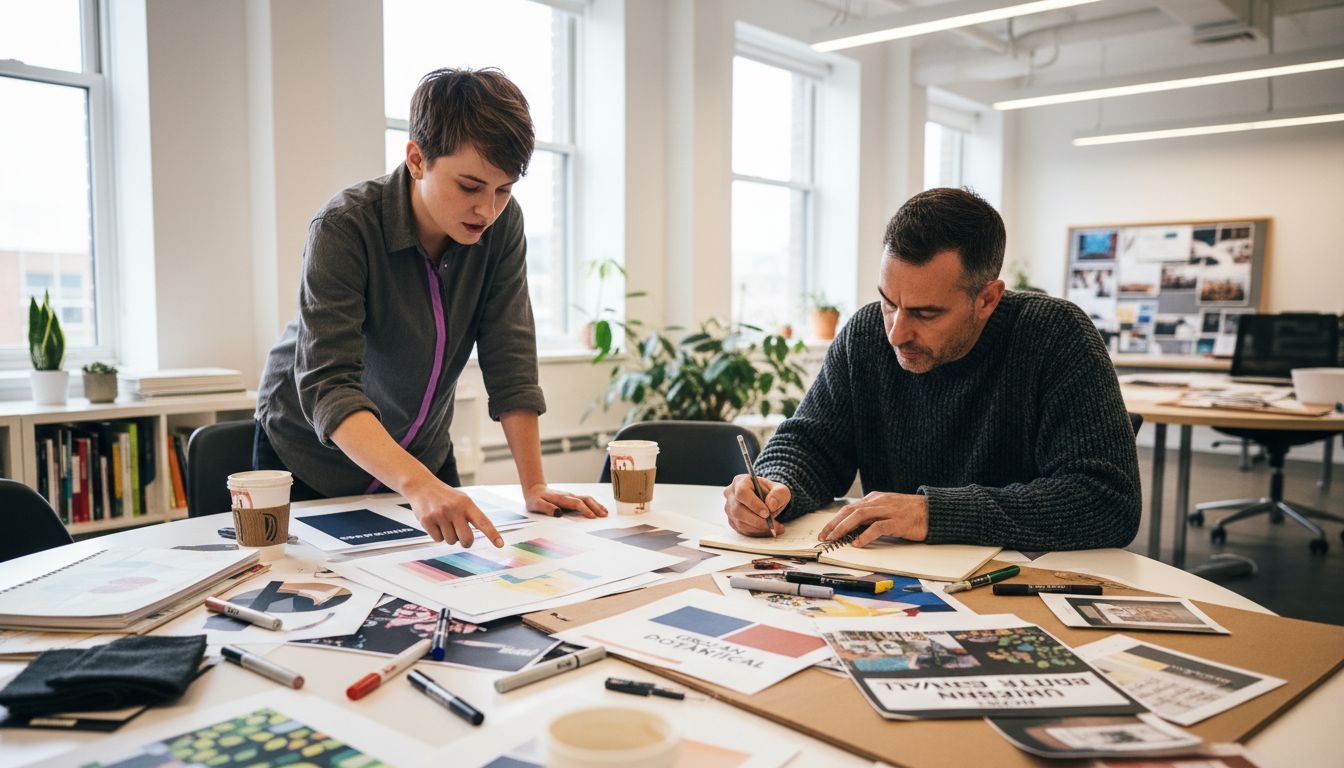
Digital art emerges as a pivotal form of artistic contribution, offering designers revolutionary tools for visual expression. Digital art techniques enable artists to create intricate visual elements that seamlessly integrate technology and creativity. This approach encompasses various methodologies including digital painting, 3D modeling, interactive installations, and algorithmic design, which provide designers with unprecedented flexibility in conceptualizing and executing complex visual narratives.
Artistic contributions can be categorized into several key domains:
- Conceptual Design: Generating innovative visual metaphors and abstract representations
- Visual Storytelling: Creating narrative frameworks through graphic elements
- Experiential Design: Developing immersive visual experiences that engage multiple senses
- Technical Visualization: Translating complex ideas into comprehensible visual formats
- Aesthetic Engineering: Balancing functional requirements with creative expressions
Beyond digital realms, art fabrication represents another critical artistic contribution to design projects. This sophisticated approach involves producing large-scale or technically complex artworks through specialized techniques and collaborative processes. Art fabrication allows designers to realize ambitious creative visions that extend beyond traditional studio limitations, incorporating advanced machinery and interdisciplinary expertise.
The integration of artistic perspectives transforms design from purely functional solutions to emotionally resonant experiences. Artists bring unique cognitive approaches that challenge conventional problem-solving methods, introducing creativity, empathy, and innovative thinking into design ecosystems. Their contributions transcend aesthetic considerations, fundamentally reshaping how design communicates, connects, and creates meaningful human experiences.
Stay Connected
-
✨ Explore Eman Khalifa's original art, fine art prints & art merchandise
-
📸 Follow Eman Khalifa's art journey on: Instagram @emans_gallery and Facebook Eman's Gallery
-
📹 Watch Eman Khalifa creating live art on: YouTube @emans_gallery
-
Supported by BabyLoveGrowth
Artist Collaboration With Designers and Clients
Artist collaboration represents a dynamic and nuanced process of creative exchange, where interdisciplinary communication becomes the cornerstone of innovative design solutions. By bridging individual artistic vision with client requirements and design objectives, artists develop sophisticated approaches that transform conceptual ideas into tangible, compelling experiences. This collaborative framework requires exceptional interpersonal skills, technical flexibility, and a deep understanding of both creative expression and practical design constraints.
Social practice approaches demonstrate how collaboration can fundamentally reshape artistic and design interactions. These methodologies emphasize community engagement and participatory design, enabling artists to co-create works that integrate diverse perspectives and address complex social dynamics. Such collaborative strategies move beyond traditional client-artist relationships, establishing more holistic and inclusive design processes that value collective creativity.
Successful artist collaboration typically involves several critical communication and negotiation strategies:
- Active Listening: Understanding client vision and project constraints
- Conceptual Flexibility: Adapting artistic vision to project requirements
- Technical Translation: Converting abstract concepts into actionable design elements
- Iterative Feedback: Maintaining open dialogue throughout project development
- Mutual Respect: Valuing each stakeholder’s expertise and perspective
Historically, innovative approaches like organization of the artist have demonstrated the profound potential of artist-driven design processes. Architect Frank Gehry’s method, which prioritizes artistic vision and minimizes external interference, represents a powerful model of maintaining creative integrity while meeting project objectives. This approach underscores the importance of empowering artists as central creative strategists rather than peripheral decorative contributors.
Ultimately, artist collaboration with designers and clients transcends traditional transactional relationships. Custom artwork strategies enable a more holistic approach where artistic expression becomes a dynamic dialogue between creative vision, functional requirements, and collaborative innovation. By embracing mutual understanding and creative flexibility, artists can transform design projects into profound narratives that resonate deeply with audiences and stakeholders.
Stay Connected
-
✨ Explore Eman Khalifa's original art, fine art prints & art merchandise
-
📸 Follow Eman Khalifa's art journey on: Instagram @emans_gallery and Facebook Eman's Gallery
-
📹 Watch Eman Khalifa creating live art on: YouTube @emans_gallery
-
Supported by BabyLoveGrowth
Responsibilities, Rights, and Copyright Issues
Navigating the complex landscape of professional artistic practice requires a comprehensive understanding of responsibilities, rights, and intellectual property protections. Artists must balance creative expression with legal and professional obligations, ensuring their work is both professionally executed and legally safeguarded. This intricate framework involves multiple dimensions of professional conduct, contractual agreements, and strategic intellectual property management.
Artist job descriptions outline critical responsibilities that extend far beyond creative production. Professional artists must develop robust skills in project management, client communication, marketing, and business development while simultaneously protecting their creative output. These multifaceted responsibilities demand a strategic approach to professional practice that integrates artistic vision with practical business acumen.
Key responsibilities and rights for artists include:
- Creative Integrity: Maintaining artistic vision while meeting client requirements
- Professional Documentation: Creating clear contracts and project agreements
- Intellectual Property Protection: Registering and defending original artwork
- Transparent Communication: Establishing clear expectations with clients and collaborators
- Ethical Usage Rights: Defining and controlling artwork reproduction and distribution
Art fabrication processes introduce additional complexity to copyright and authorship considerations. These collaborative production methods require meticulously crafted agreements that explicitly define ownership, usage rights, and attribution for each creative contribution. Successful navigation of these intricate legal landscapes demands comprehensive understanding of intellectual property law and proactive contractual strategies.
Ultimately, protecting artistic rights involves a sophisticated blend of legal knowledge, professional communication, and strategic documentation. Artists must develop comprehensive approaches that safeguard their creative work while maintaining collaborative and productive professional relationships. By establishing clear boundaries, maintaining transparent communication, and understanding legal frameworks, artists can effectively manage their professional practice while preserving their creative autonomy and intellectual property rights.
Stay Connected
-
✨ Explore Eman Khalifa's original art, fine art prints & art merchandise
-
📸 Follow Eman Khalifa's art journey on: Instagram @emans_gallery and Facebook Eman's Gallery
-
📹 Watch Eman Khalifa creating live art on: YouTube @emans_gallery
-
Supported by BabyLoveGrowth
Impact on Space, Branding, and User Experience
Artists play a transformative role in shaping spatial experiences, brand identities, and user interactions through their unique visual and conceptual approaches. Their contributions extend far beyond aesthetic embellishments, fundamentally reimagining how spaces communicate, engage, and resonate with audiences. By integrating creative perspectives, artists help design environments that are not just visually compelling but emotionally intelligent and experientially rich.
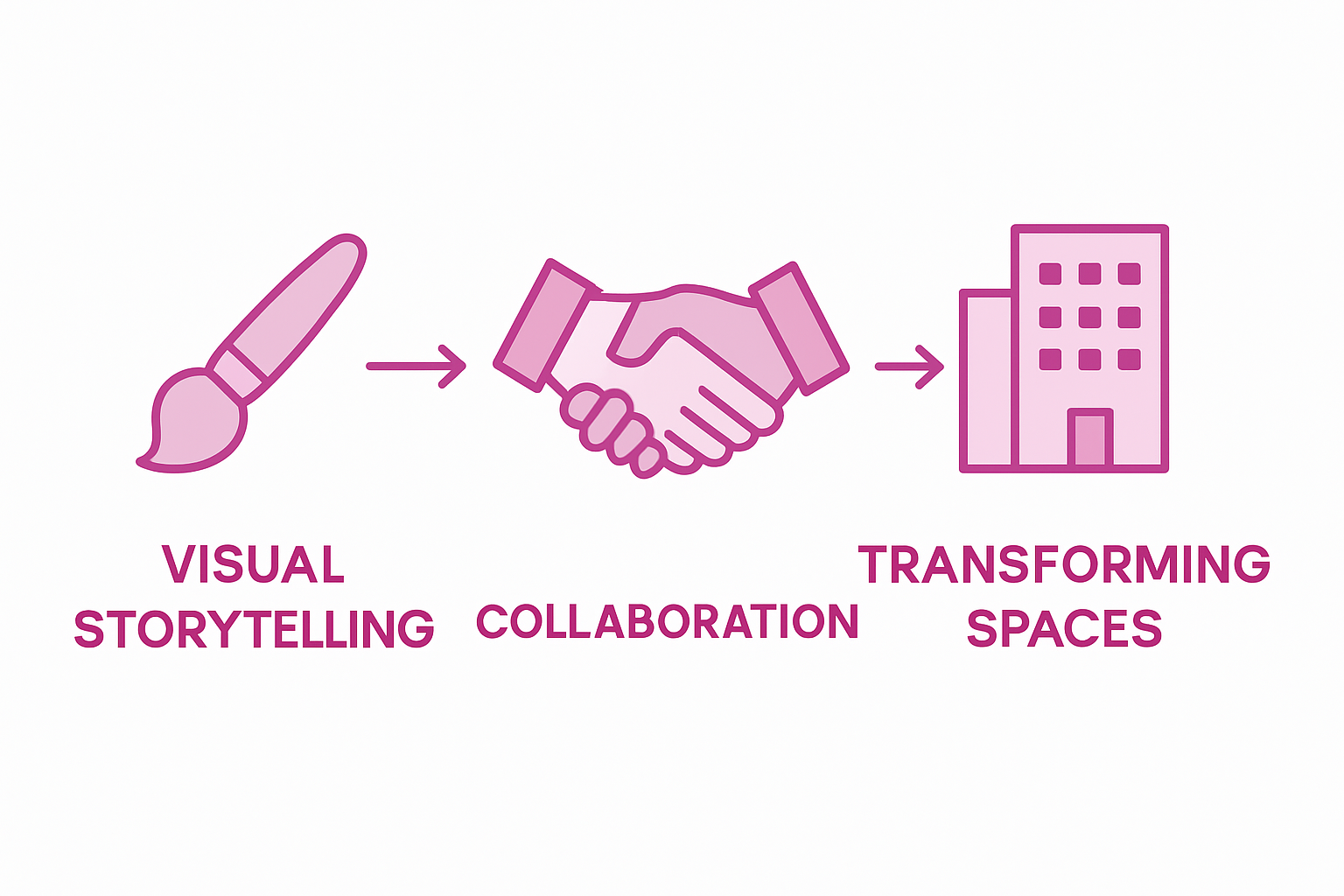
Urban regeneration strategies demonstrate the profound impact artists can have on spatial perception and community engagement. Artists act as orchestrators of multidimensional environments, transforming physical spaces into dynamic narrative landscapes that invite interaction, provoke reflection, and foster deeper connections between people and their surroundings. Their ability to interpret spatial dynamics allows them to create environments that transcend functional requirements, becoming living canvases of cultural expression and social interaction.
Key dimensions of artistic impact include:
- Sensory Activation: Creating immersive multisensory experiences
- Emotional Storytelling: Communicating complex narratives through visual language
- Brand Personality: Developing distinctive visual identities
- Spatial Transformation: Reimagining environments as interactive landscapes
- Cultural Dialogue: Facilitating meaningful social interactions through design
Typography and design evolution illustrate how artistic perspectives fundamentally shape user experiences. Artists’ contributions to visual communication extend beyond traditional aesthetic considerations, influencing how brands communicate emotions, ideas, and cultural narratives. Through strategic color symbolism, innovative design approaches, and nuanced visual storytelling, artists help organizations create powerful, memorable brand experiences that resonate deeply with audiences.
Ultimately, artists serve as critical translators between physical environments, brand identities, and human experiences. By introducing creativity, emotional intelligence, and innovative perspectives, they transform spaces from mere functional containers into dynamic, meaningful landscapes that invite exploration, provoke thought, and inspire profound connections between people, places, and narratives.
Stay Connected
-
✨ Explore Eman Khalifa's original art, fine art prints & art merchandise
-
📸 Follow Eman Khalifa's art journey on: Instagram @emans_gallery and Facebook Eman's Gallery
-
📹 Watch Eman Khalifa creating live art on: YouTube @emans_gallery
-
Supported by BabyLoveGrowth
Common Challenges and Mistakes to Avoid
Navigating professional artistic collaborations requires a nuanced understanding of potential pitfalls and strategic approaches to mitigate risks. Artists must develop sophisticated communication strategies and professional boundaries that protect both creative integrity and collaborative potential. Recognizing and proactively addressing common challenges can transform potential obstacles into opportunities for meaningful creative exchange.
Art fabrication processes introduce complex dynamics that can lead to significant professional challenges. These collaborative production methods frequently generate potential conflicts related to artistic control, project vision, and intellectual property rights. Without clear communication and well-structured agreements, artists risk losing creative autonomy, experiencing misaligned expectations, and encountering disputes that can compromise project outcomes and professional relationships.
Critical challenges artists must strategically navigate include:
- Communication Breakdowns: Misunderstanding project requirements and client expectations
- Scope Creep: Allowing project parameters to expand without appropriate compensation
- Creative Compromise: Maintaining artistic vision while meeting client needs
- Intellectual Property Protection: Establishing clear usage and ownership rights
- Professional Boundaries: Managing client interactions and project expectations
Social practice art considerations highlight the importance of ethical engagement and genuine collaboration. Artists must remain vigilant against potential exploitative dynamics, ensuring that collaborative projects prioritize mutual benefit, transparency, and meaningful community interaction. This requires developing sophisticated interpersonal skills, cultural sensitivity, and a commitment to principled creative exchange.
Successful artists cultivate resilience by viewing challenges as opportunities for growth and learning. By developing robust communication protocols, establishing clear contractual agreements, maintaining professional boundaries, and approaching collaborations with curiosity and openness, artists can transform potential obstacles into pathways for creative innovation and meaningful professional development.
Stay Connected
-
✨ Explore Eman Khalifa's original art, fine art prints & art merchandise
-
📸 Follow Eman Khalifa's art journey on: Instagram @emans_gallery and Facebook Eman's Gallery
-
📹 Watch Eman Khalifa creating live art on: YouTube @emans_gallery
-
Supported by BabyLoveGrowth
Elevate Your Space with Meaningful Art That Speaks
Design projects often face the challenge of blending creative vision with functional needs while preserving artistic integrity. Whether you seek to transform spatial experiences or build a compelling brand identity through art, capturing emotional resonance is key. The article highlights the vital role artists play in visual storytelling, creative problem solving, and interdisciplinary collaboration. Incorporating original artworks that carry authentic emotion can bridge the gap between abstract concepts and tangible, immersive environments.
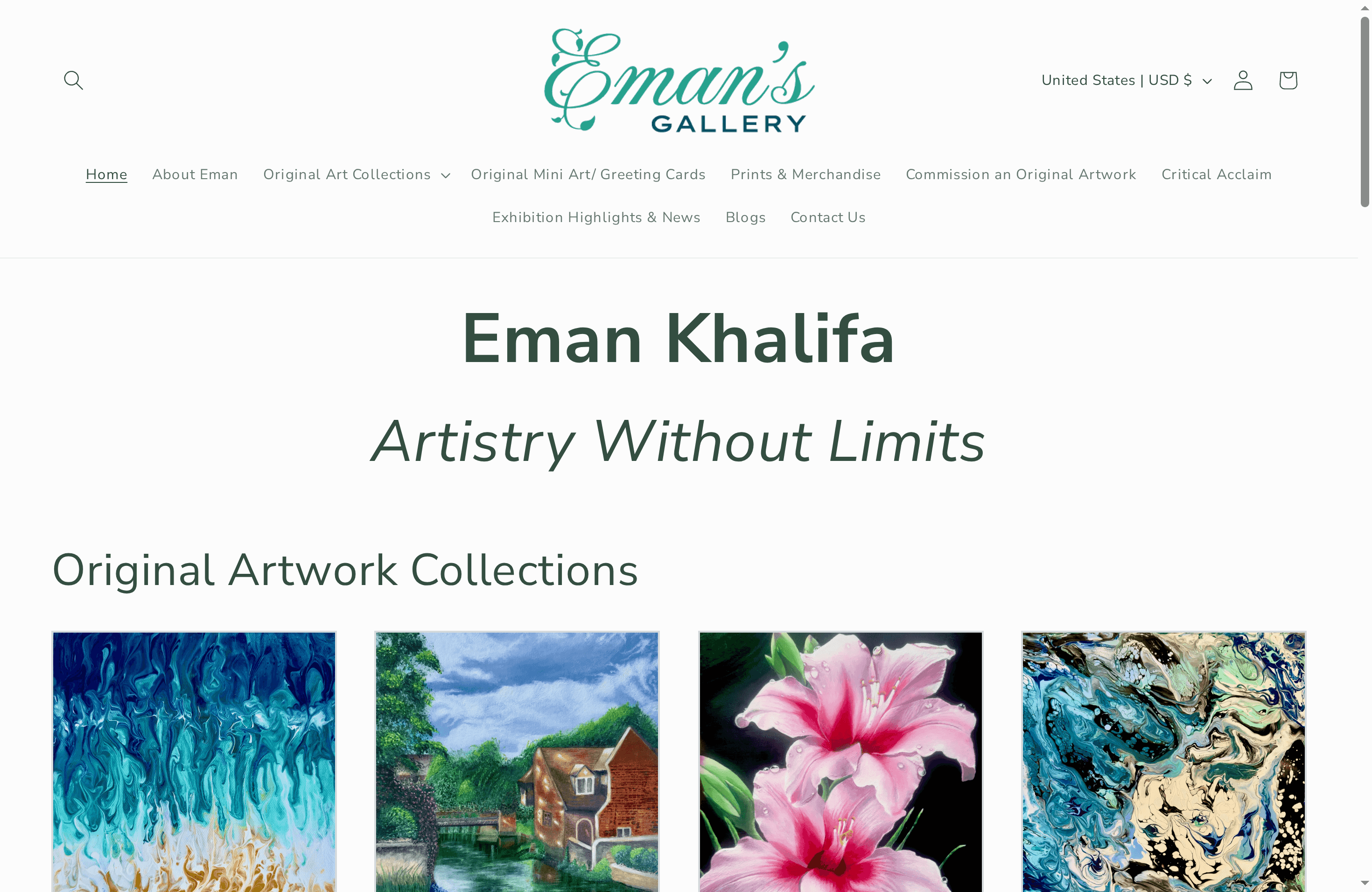
Discover how Eman Khalifa’s original paintings can add profound impact to your design projects. Choose from unique handmade pieces, museum-quality canvas prints, and carefully curated art merchandise that bring aesthetic innovation and emotional depth to your space. Act now to integrate exclusive art solutions that harmonize creative vision and functional design, shipped worldwide from the UK, USA, Canada, and beyond. Visit Eman’s Gallery to explore the collection and turn your artistic goals into reality.
Frequently Asked Questions
What is the role of an artist in a design project?
Artists serve as critical catalysts of visual storytelling and creative innovation, transforming conceptual ideas into tangible, visually compelling experiences that communicate complex narratives and emotions.
How do artists contribute to effective communication in design?
Artists can interpret abstract concepts into visual metaphors, helping design teams communicate ideas more effectively and engage audiences on deeper emotional levels.
What skills do artists bring to design projects?
Artists bring capabilities such as visual conceptualization, creative problem solving, emotional intelligence, technical skills, and interdisciplinary collaboration, which enrich the design process and outcomes.
Why is collaboration between artists and designers important?
Collaboration allows for a dynamic exchange of ideas and perspectives, fostering innovative solutions that integrate both artistic vision and practical design requirements, ultimately enhancing the final product.
Recommended
- What Is Custom Artwork and Why It Matters – Eman’s Gallery
- Why Choose Original Art – Value, Meaning, and Impact – Eman’s Gallery
- Complete Guide to Types of Art for Interiors – Eman’s Gallery
- 7 Essential Modern Abstract Art Trends for Collectors – Eman’s Gallery
- Using Projector for Art: Creative Ideas and Tips 2025 - Projector Display
- What Is an Artist-Craftsman? Shaping Arts & Crafts Legacy -
- Overcoming the Challenge of Visual Storytelling in Art – The Mansion Press
