


8 Steps to a Perfect Gallery Wall Checklist for Modern Homes
Trying to create a gallery wall that looks intentional instead of chaotic can feel overwhelming. You want each piece to work together, but figuring out where to start is often the biggest challenge. The good news is that a gallery wall’s impact depends on following a few guided principles—like those used by professional museums and galleries.
By learning how to define your vision, choose the perfect spot, measure accurately, and curate with purpose, you can turn any blank wall into a display that truly reflects your style. You’ll discover practical strategies to plan layouts, select frames, and add personal finishing touches. Get ready for a clear, step by step approach that makes gallery wall creation feel exciting and rewarding.
Table of Contents
- 1. Define Your Gallery Wall Vision And Theme
- 2. Select The Right Wall And Location
- 3. Measure The Space And Plan Layout
- 4. Curate Artworks That Reflect Your Style
- 5. Choose Frames And Materials For Cohesion
- 6. Map Out The Arrangement Before Hanging
- 7. Install Art Pieces With Proper Tools
- 8. Add Final Touches To Personalize Your Gallery
Quick Summary
| Key Insight | Explanation |
|---|---|
| 1. Define a cohesive theme | Establishing a clear theme allows artworks to form a narrative, enhancing personal expression and cohesion. |
| 2. Choose the right wall location | Selecting walls with good lighting and minimal obstructions showcases your art effectively, creating a captivating display. |
| 3. Measure carefully for precision | Proper measurements ensure a well-arranged gallery wall that appears professional and intentional without compromising space. |
| 4. Curate art that reflects your style | Choose artworks that resonate personally, embodying your tastes and life experiences for an authentic narrative. |
| 5. Personalize with unique touches | Adding elements like lighting or personal memorabilia enriches the gallery, turning it into a deeper storytelling piece. |
1. Define Your Gallery Wall Vision and Theme
Creating a stunning gallery wall begins with a clear, intentional vision that reflects your personal style and home’s aesthetic. Just like art curators develop gallery concepts, homeowners can craft a narrative through strategic art selection and arrangement.
Your gallery wall theme serves as the visual storytelling framework for your space. It transforms a collection of artworks from random decorations into a cohesive, meaningful display that communicates your unique personality.
Key Theme Considerations
When defining your gallery wall vision, explore these foundational approaches:
- Color Palette: Choose a consistent color scheme that harmonizes with your room’s existing design
- Artistic Style: Select works that share similar artistic movements or techniques
- Personal Narrative: Curate pieces that represent significant life moments or interests
- Emotional Resonance: Create a wall that evokes specific feelings or memories
A thoughtful gallery wall is more than decoration - it’s a personal museum that tells your story.
To develop your vision, start by gathering inspiration from your existing home decor, personal art collection, and emotional connections. Consider the room’s purpose and the mood you want to create.
Practical Implementation Steps
- Collect art pieces that genuinely speak to you
- Identify a unifying theme or visual thread
- Experiment with layout and arrangement
- Balance diversity with cohesion
Pro tip: Create a digital mockup of your gallery wall using design apps to visualize the final composition before hanging any artwork.
2. Select the Right Wall and Location
Choosing the perfect wall for your gallery display is more than just finding an empty space. Location is crucial in transforming a collection of artworks into a captivating visual narrative.
When considering potential walls, you want to evaluate several critical factors. Gallery placement involves strategic spatial planning that goes beyond simply finding an open area.
Ideal Wall Selection Criteria
Look for walls that provide:
- Ample uninterrupted space for artwork arrangement
- Good natural and artificial lighting conditions
- Minimal foot traffic interference
- Visibility from multiple room angles
- Complementary background color to your art pieces
The right wall transforms art from decoration into a dynamic conversation piece.
Key Considerations for Wall Selection
- Assess wall dimensions carefully
- Evaluate lighting conditions
- Consider room traffic patterns
- Check wall structural integrity
- Examine existing room color scheme
Avoiding Common Mistakes
Many homeowners mistakenly choose walls with excessive furniture obstructions or poor lighting. Strategic wall selection means finding a space that allows your art to breathe and communicate effectively.
Practical Placement Tips
Consider walls in areas like:
- Living room focal walls
- Staircase landings
- Hallway passages
- Home office backgrounds
- Dining area accent walls
Pro tip: Use painter’s tape to create a preliminary layout on your chosen wall, helping you visualize the final gallery arrangement before making any permanent hanging decisions.
3. Measure the Space and Plan Layout
Precision is paramount when creating a stunning gallery wall. Measurement and strategic planning transform a random collection of artworks into a curated visual masterpiece.
Space planning principles guide artwork arrangement by establishing a framework for balanced and harmonious display.
Essential Measurement Tools
Gather these tools before starting your gallery wall project:
- Measuring tape
- Laser level
- Pencil
- Paper for sketching
- Digital camera or smartphone
- Painter’s tape
Accurate measurements are the foundation of a professional gallery wall design.
Measurement Sequence
- Measure total wall width and height
- Note furniture placement and room dimensions
- Determine center point of the wall
- Sketch preliminary layout
- Account for spacing between artwork
Key Spacing Guidelines
- Maintain 2-3 inches between frames
- Keep artwork 57-60 inches from floor center
- Allow visual breathing room around pieces
- Consider frame sizes and visual weight
Practical Layout Strategies
Creating a balanced gallery composition requires understanding visual weight and distribution. Start by arranging frames on the floor to experiment with different configurations before committing to wall placement.
Pro tip: Take a smartphone photo of your floor layout to help you recreate the exact arrangement when hanging artwork on the wall.
4. Curate Artworks That Reflect Your Style
Your gallery wall is a personal narrative told through visual expression. Curating art requires understanding your unique aesthetic and selecting pieces that authentically represent your style.
Personal Style Exploration
Identifying your artistic style involves examining your personal preferences across several dimensions:
- Color palettes that resonate with you
- Artistic movements that inspire emotion
- Subjects that spark joy or contemplation
- Styles that complement your home’s design
- Personal memories and experiences
Your art collection should feel like an extension of your inner self.
Art Selection Strategies
- Reflect on art that genuinely moves you
- Mix mediums for visual interest
- Balance different scales and frame styles
- Consider emotional connection over trends
- Allow room for personal growth
Diverse Artwork Categories
- Photography
- Abstract paintings
- Geometric prints
- Landscape illustrations
- Personal memorabilia
- Vintage posters
Building a Cohesive Collection
While diversity adds visual intrigue, maintaining thematic consistency helps create a harmonious gallery wall. This doesn’t mean every piece must look identical but should share underlying visual or emotional threads.
Pro tip: Create a digital mood board using apps like Pinterest to experiment with different artwork combinations and styles before making final selections.
5. Choose Frames and Materials for Cohesion
Frames are more than protective borders. They are critical design elements that transform individual artworks into a unified visual narrative.
Modern framing requires strategic material selection that preserves artwork integrity while enhancing overall aesthetic appeal.
Frame Material Options
Consider these frame materials for your gallery wall:
- Wooden frames (natural, warm tones)
- Metal frames (sleek, contemporary)
- Floating frames (minimalist, modern)
- Acrylic frames (lightweight, transparent)
- Textured frames (added visual interest)
- Reclaimed or vintage frames (unique character)
The right frame transforms art from decoration to storytelling.
Cohesion Strategies
- Select consistent frame width
- Maintain similar color palette
- Balance frame thickness
- Consider wall color compatibility
- Mix textures thoughtfully
Frame Coordination Principles
Achieving visual harmony means creating intentional connections between different frames. This doesn’t require identical frames but rather a deliberate approach to color, texture, and proportion.
Preservation Considerations
- Use acid-free mounting materials
- Choose UV-filtering glass
- Select archival-quality adhesives
- Protect artwork from environmental damage
Pro tip: Create a frame sample board using small frame corners to preview how different materials and colors interact before final selection.
6. Map Out the Arrangement Before Hanging
A perfectly curated gallery wall requires strategic planning before a single nail touches the wall. Preparing a comprehensive layout template minimizes errors and maximizes visual impact.
Arrangement Mapping Techniques
Effective gallery wall planning involves multiple visualization strategies:
- Paper template method
- Digital mockup approach
- Floor layout preview
- Photographer’s grid technique
- Laser level alignment
- Painter’s tape positioning
Precision in preparation prevents poor performance.
Mapping Process Steps
- Measure wall dimensions accurately
- Create paper templates of each artwork
- Cut out exact-sized paper replicas
- Arrange templates on floor first
- Photograph potential layouts
- Adjust spacing and composition
Strategic Arrangement Principles
Visual balance matters more than perfect symmetry. Consider these key elements when mapping your layout:
- Artwork visual weight
- Frame sizes
- Color distribution
- Negative space
- Vertical and horizontal flow
Visualization Tools
- Kraft paper
- Measuring tape
- Laser level
- Smartphone for reference photos
- Painter’s tape
- Pencil and ruler
Pro tip: Take a smartphone photo of your paper template layout and use a photo editing app to experiment with different arrangements before committing to wall hanging.
7. Install Art Pieces with Proper Tools
Installing artwork requires precision and the right equipment to ensure your gallery wall looks professional and remains securely mounted. Proper art installation techniques protect both your artwork and wall surfaces.
Essential Installation Tools
Gather these critical tools before beginning:
- Laser level
- Stud finder
- Electric drill
- Measuring tape
- Pencil
- Hammer
- Assorted wall anchors
- Picture hanging hooks
- Allen wrench set
Precision tools transform good intentions into flawless execution.
Installation Steps
- Locate wall studs using stud finder
- Mark precise hanging points
- Select appropriate wall anchors
- Drill pilot holes carefully
- Install mounting hardware
- Hang artwork level and centered
Mounting Hardware Considerations
- Weight capacity of wall anchors
- Frame backing strength
- Wall surface material
- Artwork dimensions
- Potential environmental factors
Hanging Techniques
Distribute weight evenly to prevent artwork from tilting or falling. Multiple mounting points provide additional stability for larger pieces.
Safety Precautions
- Check weight limits
- Use multiple hanging points for heavy art
- Avoid hanging near heat sources
- Maintain safe distance from electrical outlets
- Consider professional installation for valuable pieces
Pro tip: Create small marks with removable painter’s tape before drilling to visualize placement and minimize wall damage.
8. Add Final Touches to Personalize Your Gallery
Your gallery wall transforms from a collection of frames to a deeply personal narrative through thoughtful final touches. Personalization elevates art displays beyond mere decoration into meaningful storytelling.
Personalization Elements
Consider adding these personal touches:
- Accent lighting
- Meaningful objects
- Decorative shelving
- Textural elements
- Seasonal rotation
- Handwritten notes or quotes
Personal details breathe life into your gallery wall.
Creative Personalization Techniques
- Integrate family memorabilia
- Add sculptural elements
- Use strategic lighting
- Incorporate textural contrasts
- Include unexpected elements
Emotional Connection Strategies
Storytelling through display means selecting pieces that represent your journey. Mix artwork with personal artifacts like vintage photographs, travel mementos, or inherited treasures.
Lighting and Ambiance
- Picture lights
- Adjustable track lighting
- Accent spotlights
- Warm LED strips
- Dimmable options
Maintenance and Evolution
Remember that a gallery wall is not static. Regularly update and refresh your display to keep it dynamic and meaningful.
Pro tip: Create a digital archive of your gallery wall’s evolution by taking photographs each time you update or rearrange the display.
Below is a comprehensive table summarizing the steps, strategies, and considerations for creating a personalized and cohesive gallery wall as detailed in the article.
| Step/Aspect | Details | Key Considerations |
|---|---|---|
| Define Your Vision | Establish a clear theme and style for the gallery wall. | Explore color palettes, artistic styles, emotional resonance, and personal narratives. |
| Select Location | Choose a wall suitable for creating a cohesive display. | Evaluate lighting, visibility, traffic patterns, and wall integrity. |
| Plan Layout | Carefully measure dimensions and map the arrangement before hanging art. | Create a floor layout, use a laser level, and experiment with templates for precision. |
| Curate Artwork | Select pieces that reflect personal style, aesthetic preferences, and emotional connections. | Balance diverse artwork with thematic consistency while exploring different mediums and scales. |
| Frame Selection | Use frames that enhance the art and unify the visual appearance. | Consider material harmony, texture, color palette, and preservation needs. |
| Arrange and Install | Use appropriate tools to securely and accurately mount the frames. | Emphasize visual balance, weight distribution, and optimal mounting hardware for safety and aesthetics. |
| Personalize the Display | Enhance with additional personal touches such as lighting, memorabilia, or thematic accents. | Continuously evolve and maintain the arrangement to reflect individuality and dynamic storytelling. |
Elevate Your Gallery Wall with Original Art That Speaks to You
Struggling to find the perfect artworks that truly reflect your style and create a cohesive gallery wall? This article highlights key challenges such as choosing a unifying theme and selecting frames that tie your display together. Avoid overwhelming your space with mismatched pieces and discover how carefully curated art can transform your walls into a personal story.
Discover the power of original pieces from the Geometric Original Art Collection - Unique Geometric Wall Decor to bring modern harmony and striking visuals to your home.
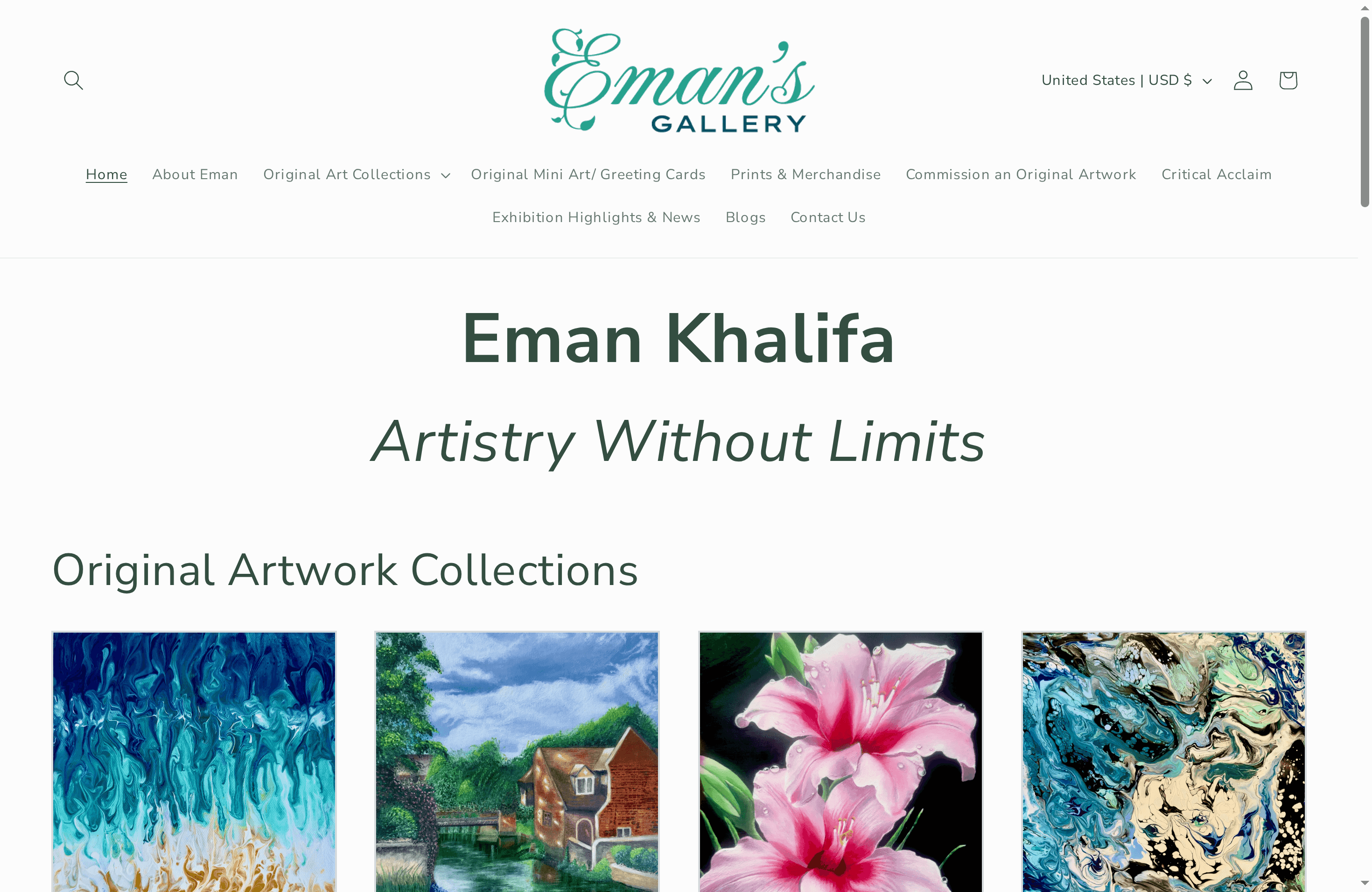
Take control of your space by browsing unique, handmade paintings and museum-quality prints at Eman’s Gallery. Act now to start building a gallery wall that balances emotional resonance with stunning design. Check out our Expressionist Original Art Collection | Unique Artwork for Your Space for more inspiring options and make your vision a reality today.
Frequently Asked Questions
What are the key steps to creating a perfect gallery wall?
Creating a perfect gallery wall involves defining your vision, selecting the right wall, measuring space, curating artworks, choosing frames, planning the layout, installing art, and adding personal touches. Follow these steps sequentially to ensure a cohesive and appealing arrangement.
How can I determine the best location for my gallery wall?
To choose the best location, look for a wall with ample space, good lighting, and minimal foot traffic. Evaluate the wall’s dimensions and consider how it complements other decor in your home to make your gallery wall a focal point.
What should I consider when selecting artwork for my gallery wall?
When selecting artwork, consider your personal style, color palette, and the emotional resonance of each piece. Aim to curate a collection that reflects significant moments or interests in your life for a more meaningful display.
How can I ensure my gallery wall is visually balanced?
To achieve visual balance, maintain spacing of about 2-3 inches between frames and center artworks at eye level, typically around 57-60 inches from the floor. Experiment with layouts on the floor or create mockups before final installation to find the best arrangement.
What tools do I need for hanging my gallery wall?
Essential tools for installing your gallery wall include a measuring tape, laser level, stud finder, drill, hammer, and appropriate wall anchors. Gather these tools before starting to ensure a secure and professional-looking installation.
How can I personalize my gallery wall further?
Personalize your gallery wall by incorporating accent lighting, meaningful objects, or decorative shelving that complements your chosen artworks. Add these elements to enhance the storytelling aspect of your display and create a more inviting atmosphere.
Recommended
- Curating Home Gallery Guide for Luxury Interiors
- 7 Innovative Interior Art Display Ideas for Modern Homes
- How to Style Art Prints for Interior Display – Eman’s Gallery
- Contemporary Wall Art Explained: Complete Overview – Eman’s Gallery
Stay Connected
- ✨ Explore Eman Khalifa’s original art and fine art prints
- 📸 Follow Eman Khalifa’s art journey on: Instagram @emans_gallery and Facebook Eman’s Gallery
- 📹 Watch Eman Khalifa creating live art on: YouTube @emans_gallery
