


Why Decorate With Prints: Impact on Luxury Spaces
Transforming a blank wall into a statement piece often starts with the right print. For luxury homeowners and designers in the USA and UK, print decor provides a sophisticated way to personalize living spaces while adding visual complexity. With digital printing technologies revolutionizing customization, prints now blend art and function, offering fresh ways to express style, play with depth, and set the mood in contemporary interiors.
Table of Contents
- What Decorating With Prints Means
- Essential Types of Art Prints For Interiors
- How Prints Transform Contemporary Spaces
- Print Decor Trends In Luxury Homes 2026
- Selecting, Placing, And Styling Prints
- Comparing Prints With Original Artworks
Key Takeaways
| Point | Details |
|---|---|
| Prints Enhance Interior Design | Utilizing prints strategically can transform spaces by adding color, texture, and emotional depth. |
| Dynamic Artistic Language | Digital printing technologies enable the creation of customizable prints that reflect personal narratives and artistic styles. |
| Versatile Art Print Types | Various print types, such as abstract, photographic, and vintage, serve diverse aesthetic purposes and enhance luxury interiors. |
| Importance of Strategic Placement | Thoughtful selection and arrangement of prints are essential for achieving a cohesive and impactful visual narrative in any room. |
What Decorating With Prints Means
Decorating with prints represents a sophisticated approach to transforming interior spaces through visual storytelling and artistic expression. Unlike traditional wall decor, prints offer a nuanced method of personalizing environments by introducing color, texture, and emotional depth to luxury interiors. Art prints in interior design serve multiple aesthetic and functional purposes beyond simple ornamentation.
At its core, decorating with prints means strategically curating visual elements that communicate personal style, enhance spatial dynamics, and create focal points within a room. These artistic interventions can dramatically alter perceptions of space, making rooms feel larger, more intimate, or dynamically structured. The strategic placement of prints allows homeowners and designers to:
- Transform blank walls into narrative landscapes
- Introduce sophisticated color palettes
- Create visual rhythm and balance
- Reflect individual personality and taste
- Modulate room temperature and emotional atmosphere
Modern print decoration goes beyond mere decoration, functioning as a dynamic design language. Digital printing technologies have revolutionized how prints are conceived and integrated, enabling unprecedented customization and texture variation. Designers now have access to an expansive range of styles, from minimalist geometric abstractions to rich, detailed photographic representations.
Pro tip: Select prints that complement your existing color scheme and furniture style, creating a harmonious visual narrative that feels intentional and curated.
Essential Types of Art Prints for Interiors
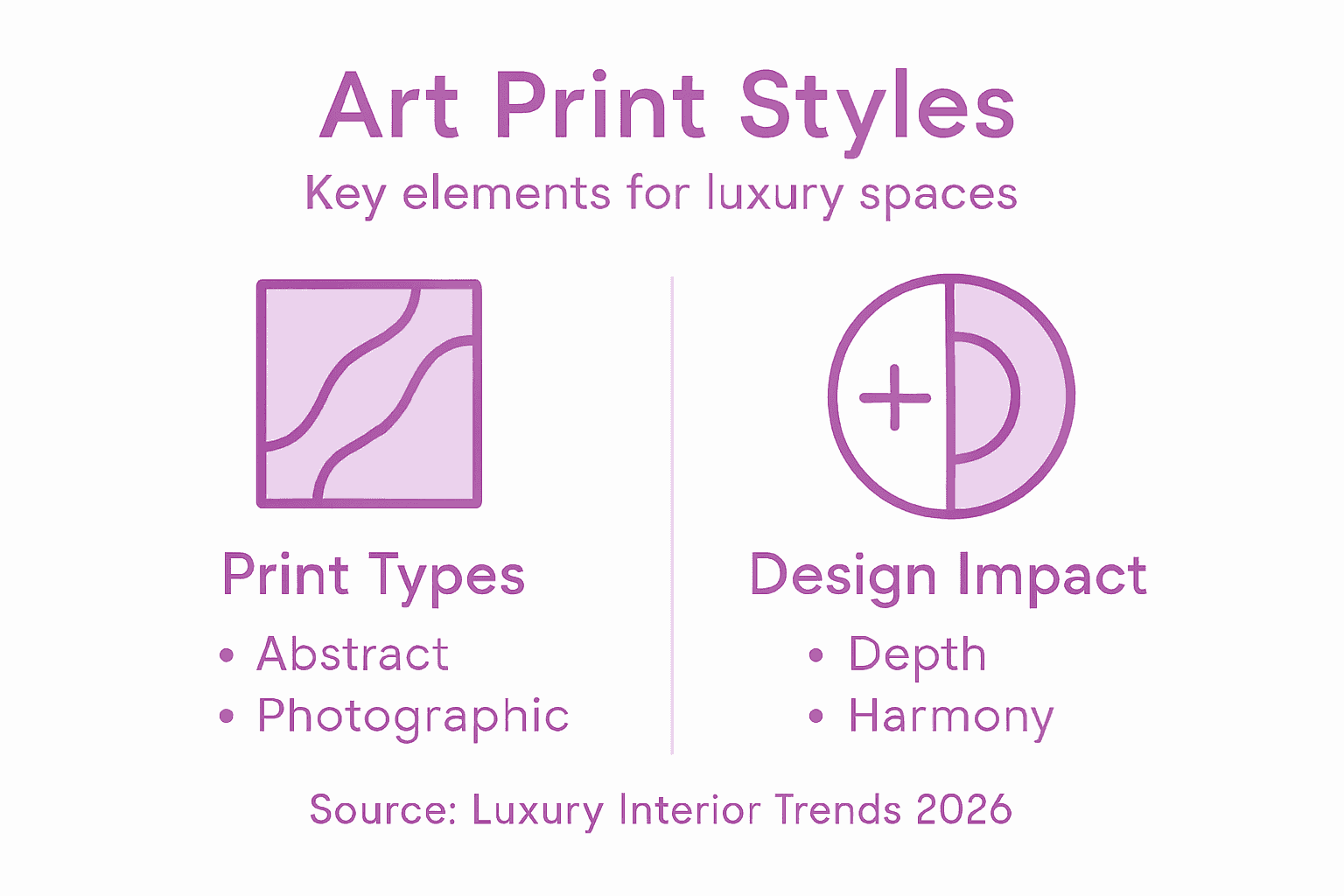
Art prints represent a versatile design element that transforms luxury interiors through carefully curated visual expressions. Within the realm of interior design, art prints for luxury spaces encompass diverse styles that cater to different aesthetic preferences and architectural contexts. These prints serve as more than mere decorative elements, functioning as sophisticated communication tools that convey personal narratives and design sensibilities.
The primary categories of art prints that elevate luxury interiors include:
- Abstract Prints: Characterized by non-representational forms, colors, and compositions
- Photographic Prints: High-resolution images capturing landscapes, urban scenes, or intimate moments
- Geometric Prints: Precise, mathematical designs featuring symmetrical and asymmetrical patterns
- Minimalist Prints: Simplified compositions emphasizing negative space and essential visual elements
- Vintage and Archival Prints: Historical images or reproductions that add cultural and temporal depth
- Limited Edition Prints: Exclusive artworks with numbered authenticity, signaling rarity and collectibility
- Digital Art Prints: Contemporary designs created through advanced digital rendering techniques
Each print type offers unique visual characteristics that can dramatically transform interior environments. Photographic prints, for instance, can create immersive visual narratives, while abstract prints introduce emotional complexity and intellectual intrigue to a space. The selection process involves carefully considering color palettes, spatial dynamics, and the existing architectural context.
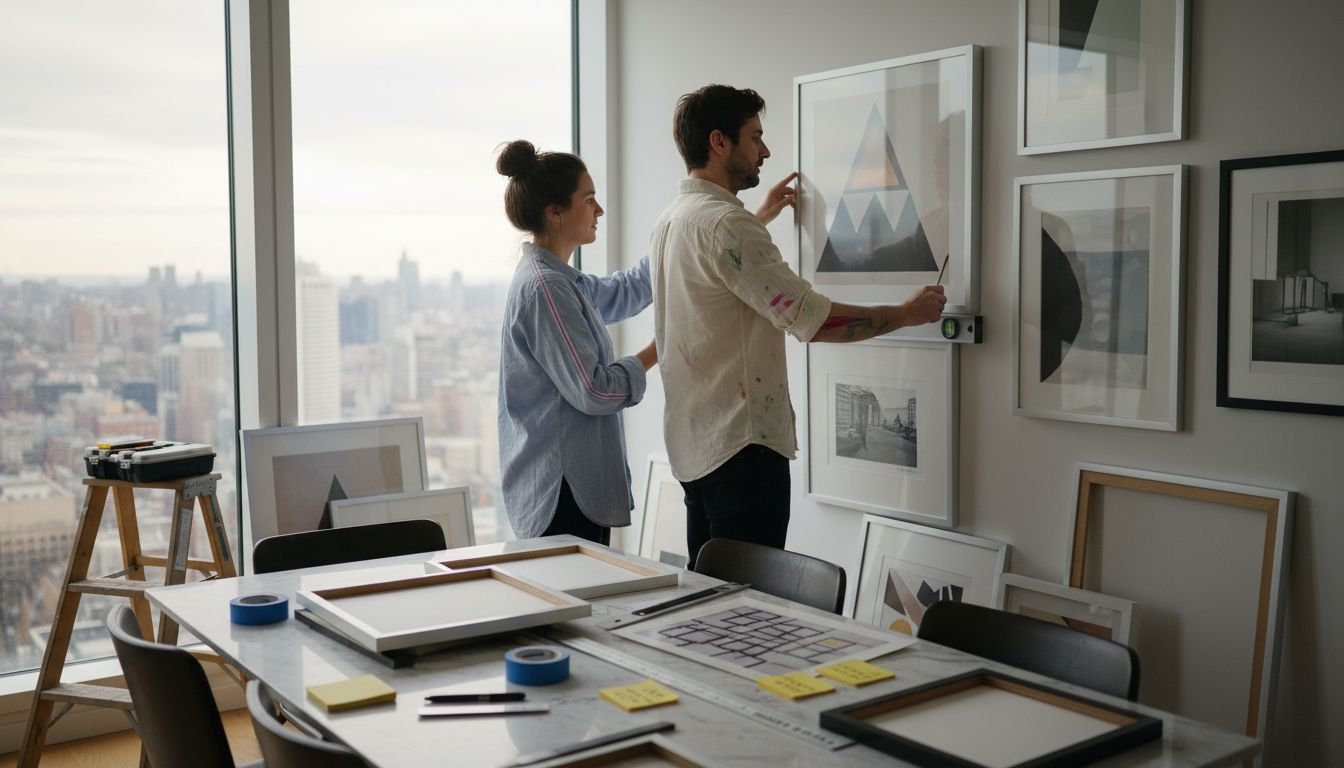
Modern luxury interior design increasingly recognizes art prints as dynamic design elements that transcend traditional decorative boundaries. By strategically integrating these visual statements, designers and homeowners can craft environments that are not just aesthetically pleasing but also deeply personal and intellectually stimulating.
Here is a summary comparing key print types for luxury interiors:
| Print Type | Visual Impact | Best For |
|---|---|---|
| Abstract | Emotional depth, bold colors | Creating modern, dynamic spaces |
| Photographic | Realistic, immersive scenes | Setting a mood or theme |
| Minimalist | Clean, calming compositions | Enhancing serenity, simplicity |
| Geometric | Repeating patterns, structure | Adding order and visual rhythm |
| Vintage/Archival | Historic, nostalgic feel | Introducing cultural depth |
| Limited Edition | Unique, collectible quality | Signaling sophistication |
| Digital Art | Innovative, customizable | Reflecting current trends |
Pro tip: Mix different print styles and scales to create a layered, sophisticated visual composition that reflects your unique design sensibility.
How Prints Transform Contemporary Spaces
Contemporary interior design has embraced prints as powerful transformative elements that redefine spatial experiences. Prints dramatically reshape interior environments by introducing visual dynamism, emotional depth, and personalized narratives that transcend traditional decorative approaches. These artistic interventions serve as more than mere wall adornments, functioning as sophisticated design languages that communicate mood, style, and individual identity.
The transformative power of prints in contemporary spaces manifests through several key mechanisms:
- Spatial Perception Manipulation: Large-scale prints can visually expand or intimate compact rooms
- Emotional Atmosphere Creation: Color and composition of prints influence psychological responses
- Architectural Dialogue: Prints can complement or intentionally contrast existing design elements
- Cultural Narrative Embedding: Prints communicate personal stories and cultural contexts
- Visual Rhythm Establishment: Strategic print placement creates visual flow and balance
Modern interior designers recognize prints as dynamic design tools that offer unprecedented flexibility. They can instantly elevate minimalist spaces, add complexity to monochromatic environments, or serve as focal points that draw the eye and spark conversation. The strategic selection of prints allows designers to craft multidimensional experiences that evolve with changing design trends and personal aesthetics.
Prints are not just decorative elements, but powerful storytelling devices that transform spaces from mundane to extraordinary.
Technological advancements in digital printing have further expanded the potential of prints, enabling unprecedented customization, intricate detailing, and seamless integration across diverse design contexts. Designers now have access to an expansive palette of visual expressions that can be precisely tailored to specific spatial and emotional requirements.
Pro tip: Consider the emotional resonance and visual weight of prints when selecting them, ensuring they harmonize with the room’s existing architectural language and personal narrative.
Print Decor Trends in Luxury Homes 2026
Luxury home decor is experiencing a transformative shift in print design, where tradition meets cutting-edge innovation. Print decor trends merge historical techniques with contemporary digital enhancements, creating a sophisticated visual language that speaks to both cultural heritage and modern aesthetic sensibilities. This emerging approach represents a nuanced exploration of artistic expression within luxury interior spaces.
The key trends defining print decor in luxury homes for 2026 include:
- Hybrid Printmaking Technologies: Combining traditional methods with digital innovations
- Sustainable Design Practices: Eco-conscious print production and materials
- Cultural Narrative Prints: Artworks reflecting global and local heritage
- Personalized Digital Customization: Bespoke prints tailored to individual spaces
- Multisensory Print Experiences: Textural and interactive print designs
- Minimalist and Maximalist Coexistence: Prints that adapt to diverse design philosophies
Technological innovation is dramatically reshaping print aesthetics, enabling designers to create unprecedented levels of detail and emotional resonance. Luxury homeowners are increasingly viewing prints not just as decorative elements, but as sophisticated storytelling devices that communicate personal and cultural identities. The boundaries between traditional art forms and interior design continue to blur, creating more immersive and meaningful spatial experiences.
Luxury print decor in 2026 is about creating narratives, not just filling wall space.
Digital technologies have democratized high-end print design, allowing for extraordinary levels of customization and precision. From intricate cultural motifs to abstract digital compositions, prints are becoming increasingly adaptive, responsive, and deeply personal.
Pro tip: Invest in prints that tell a story, blend technological innovation with artistic tradition, and reflect your unique design philosophy.
Selecting, Placing, and Styling Prints
Selecting, placing, and styling prints is an art form that transforms interior spaces from ordinary to extraordinary. Selecting art prints for home decor requires a nuanced understanding of visual composition, spatial dynamics, and personal aesthetic preferences. This process goes beyond mere decoration, functioning as a sophisticated method of personal expression and spatial storytelling.
The essential considerations for print selection and placement include:
- Color Harmony: Matching or complementing existing color palettes
- Scale and Proportion: Selecting prints that fit room dimensions
- Thematic Consistency: Ensuring prints align with overall design narrative
- Framing Techniques: Choosing frames that enhance print aesthetics
- Arrangement Strategies: Creating visual balance and flow
- Emotional Resonance: Selecting prints that evoke desired feelings
Spatial positioning plays a critical role in print effectiveness. Different rooms demand unique approaches - a living room might welcome bold, expansive pieces, while a bedroom might require more subdued, intimate artworks. Understanding how prints interact with architectural elements, lighting, and existing furniture is crucial for creating a cohesive design language.
Professional designers view prints not as accessories, but as integral components of spatial storytelling.
Advanced styling techniques involve creating visual dialogues between prints, considering factors like texture, depth, and emotional impact. Layering prints of varying sizes, experimenting with gallery walls, and integrating prints with three-dimensional elements can create dynamic, multisensory experiences that transcend traditional wall decor.
The following table outlines how prints influence different interior spaces:
| Room | Ideal Print Qualities | Design Impact |
|---|---|---|
| Living Room | Large, bold, conversational | Establishes focal point |
| Bedroom | Subdued, calming, intimate | Promotes relaxation |
| Dining Room | Thematic, harmonious tones | Enhances social atmosphere |
| Home Office | Inspiring, creative | Boosts focus and productivity |
Pro tip: Create visual mock-ups using digital tools or paper templates before final placement to experiment with arrangement and composition.
Comparing Prints With Original Artworks
The distinction between prints and original artworks represents a nuanced exploration of artistic value, reproduction, and cultural accessibility. Prints offer unique artistic perspectives that challenge traditional notions of artistic originality and ownership. While original artworks remain singular expressions, prints democratize artistic experiences by enabling broader cultural engagement.
Key differences between prints and original artworks include:
- Reproducibility: Prints can be replicated, original artworks are unique
- Price Point: Prints are more financially accessible
- Production Process: Prints involve mechanical reproduction, originals are hand-created
- Collectibility: Original artworks typically hold higher market value
- Artistic Integrity: Both maintain significant aesthetic value
- Cultural Reach: Prints enable wider artistic distribution
Technological advancements have dramatically transformed print production, allowing for unprecedented levels of detail and artistic precision. Modern prints are no longer mere reproductions but sophisticated artistic statements that can rival original artworks in complexity and visual impact. The perception of prints has evolved from simple copies to legitimate art forms with independent aesthetic value.
Prints democratize art, transforming cultural experiences from exclusive to inclusive.
Historically, prints served critical social functions by making artistic expressions accessible across different economic and social demographics. Contemporary collectors and interior designers increasingly recognize prints as valuable design elements that offer flexibility, affordability, and rich narrative potential.
Pro tip: Evaluate prints not just as reproductions, but as unique artistic expressions with their own intrinsic cultural and aesthetic significance.
Elevate Your Luxury Space with Art Prints That Speak
Struggling to find the perfect way to transform your luxury interiors into personalized, emotionally resonant environments The article highlights how decorating with prints offers a sophisticated design language that adds color, texture, and story to any space. Whether you want to create visual rhythm, emotional atmosphere, or a cultural narrative, the right art prints make all the difference. At Eman’s Gallery, you will discover museum-quality canvas prints and original artworks that bring these exact qualities into your home.
Explore our curated Art Prints on Canvas for Inspired Home Decor collection for versatile styles ranging from abstract to geometric and floral designs. You can also browse the evocative Desire Collection where contemporary floral art meets print and merch. Each piece is crafted by artist Eman Khalifa and ships worldwide, ready to turn your walls into a dynamic design statement. Visit Eman’s Gallery today to start your journey toward an extraordinary luxury space with prints that truly communicate your personal style.
Frequently Asked Questions
What are the benefits of decorating with prints in luxury spaces?
Decorating with prints adds color, texture, and emotional depth to luxury interiors. It helps in creating focal points and personalizing spaces, enhancing overall aesthetics and emotional atmosphere.
How can prints manipulate spatial perception in a room?
Large-scale prints can make compact rooms feel larger and more inviting, while smaller prints can create a sense of intimacy in larger spaces. Strategic placement of prints alters perceptions of room dynamics.
What types of prints work best for luxury interiors?
Common types include abstract prints for emotional depth, photographic prints for immersive narratives, geometric prints for structure, and vintage prints for cultural richness. The choice depends on the desired visual impact and thematic consistency.
How do I select and place prints effectively in my home?
Consider color harmony, scale, and thematic consistency when selecting prints. For placement, think about the emotions you want to evoke; use larger, bolder prints in communal spaces and more subdued pieces in private areas like bedrooms.
Recommended
- Role of Prints in Decor: Elevating Luxury Interiors
- Role of Art Prints in Interior Design Luxury Spaces
- Why Seasonal Art Prints Matter in Upscale Interiors
- 7 Inspiring Examples of Textile Art Prints for Designers
- 8 unverzichtbare Tipps für saisonale Outfits für Trendsetter – Breuermode.de
Stay Connected
- ✨ Explore Eman Khalifa’s original art and fine art prints
- 📸 Follow Eman Khalifa’s art journey on: Instagram @emans_gallery and Facebook Eman’s Gallery
- 📹 Watch Eman Khalifa creating live art on: YouTube @emans_gallery
