


Premium Art Prints Meaning: Value, Types, and Impact
Over the past decade, interest in American premium art prints has surged by more than 40 percent among collectors seeking both beauty and value. As more people look for authentic ways to connect with culture, these sophisticated reproductions are changing how art is collected and enjoyed. Whether you are building a collection or buying your first piece, understanding what sets premium prints apart helps you make choices that reflect both your style and appreciation for original artistry.
Table of Contents
- Defining Premium Art Prints And Their Value
- Types Of Premium Art Prints Explained
- Production Techniques And Quality Factors
- How To Distinguish Premium From Standard Prints
- Investment Considerations And Buying Tips
Key Takeaways
| Point | Details |
|---|---|
| Value of Premium Art Prints | Premium art prints offer collectors high-quality reproductions that capture the essence of original artworks, making fine art more accessible. |
| Types of Premium Art Prints | Key types include giclée, hand-embellished, C-type, lithographic, and screen-printed prints, providing diverse options for collectors. |
| Production Quality Factors | Exceptional quality hinges on high-resolution printing, archival materials, and professional color management to ensure longevity and detail. |
| Investment Considerations | When investing, focus on edition size, artist reputation, and provenance to assess long-term value and collectible potential. |
Defining Premium Art Prints and Their Value
Premium art prints represent sophisticated reproductions that capture the essence of original artwork while offering collectors an accessible entry point into fine art ownership. Unlike standard poster prints, these high-quality reproductions are carefully crafted to preserve the nuanced details, color depth, and artistic integrity of the original piece. Fine art prints are original works created in limited editions, typically signed and numbered directly by the artist to authenticate their value and exclusivity.
Limited edition prints distinguish themselves through strict production standards and intentional scarcity. Each print is part of a predetermined total quantity, which inherently increases its potential investment value. Limited edition prints are reproductions produced in fixed quantities, each numbered and often signed, providing collectors with a sense of rarity and artistic provenance.
The value of premium art prints extends beyond mere visual reproduction. These prints represent a complex intersection of artistic skill, technological precision, and cultural significance. Professional art printers use advanced techniques like giclée printing, which employs high-resolution inkjet technology to capture microscopic details and color variations. Key characteristics that elevate a print from ordinary to premium include:
- Archival-quality materials ensuring long-term color preservation
- Professional color calibration matching the original artwork
- Hand-signed authentication by the original artist
- Numbered sequence indicating edition limitation
- Museum-grade paper or canvas substrates
- Precise color management using professional printing technologies
Collectors and art enthusiasts appreciate premium art prints not just as decorative objects, but as accessible representations of an artist’s creative vision. By offering an affordable alternative to original paintings, these prints democratize art appreciation and allow individuals to own a piece of artistic expression.
Types of Premium Art Prints Explained
Premium art prints encompass multiple sophisticated reproduction techniques that transform original artworks into accessible, high-quality collectible pieces. Premium art prints include giclée prints, known for high-quality digital reproduction using pigment-based inks, offering artists and collectors unprecedented opportunities for artistic expression and ownership.

Giclée prints represent the pinnacle of digital art reproduction, utilizing advanced inkjet technology to capture intricate details with remarkable precision. These prints are characterized by their exceptional color accuracy, archival longevity, and ability to reproduce complex color gradations. Artists appreciate giclée printing for its ability to faithfully translate original artwork across various mediums, from canvas to fine art paper.
Another distinguished category of premium art prints involves hand-embellished prints, where artists personally enhance each reproduction with unique touches. C-type prints offer traditional photographic printing options like Fuji Matt and Fuji Gloss, providing collectors with diverse aesthetic choices. The key types of premium art prints include:
- Giclée Prints: Digital reproductions using high-resolution pigment-based inks
- Hand-Embellished Prints: Original prints customized with artist-added elements
- C-Type Photographic Prints: Traditional light-sensitive paper prints
- Lithographic Prints: Prints created through stone or metal plate printing techniques
- Screen-Printed Artwork: Manually produced prints using specialized screening methods
Each print type offers unique characteristics, allowing art enthusiasts to select reproductions that best match their aesthetic preferences and collection goals. The diversity of premium art print techniques ensures that collectors can find representations of artwork that capture the original’s essence while providing accessibility and personal connection.
Production Techniques and Quality Factors
The production of premium art prints involves sophisticated technological processes that transform digital imagery into museum-quality reproductions. Giclée printing involves high-resolution digital images printed with specialized inkjet printers using pigment-based inks on archival substrates, ensuring exceptional image quality and longevity that meets the most demanding artistic standards.
Print resolution plays a critical role in determining the overall quality of art prints. Professional-grade prints typically require minimum resolutions of 300 dots per inch (DPI), which allows for crisp, detailed reproductions that closely mirror the original artwork’s intricate nuances. Advanced digital printing technologies enable artists and print specialists to capture microscopic details, color gradations, and textural elements with remarkable precision.
Quality factors for premium art prints extend far beyond mere technical specifications. The selection of printing materials significantly impacts the final product’s aesthetic and archival qualities. Key considerations for premium print production include:
- Ink Quality: Pigment-based inks with high color stability
- Substrate Selection: Acid-free, archival-grade papers and canvases
- Color Management: Precise digital color calibration techniques
- Print Resolution: Minimum 300 DPI for exceptional detail reproduction
- Archival Preservation: UV-resistant materials preventing color degradation
- Authentication: Artist signatures and numbered edition certificates
These meticulous production techniques transform digital artwork into collectible pieces that maintain their visual integrity and potential value over decades. Professional art printers invest significant expertise in ensuring each print represents the original artwork with the highest possible fidelity, creating a bridge between digital innovation and traditional artistic expression.
How to Distinguish Premium From Standard Prints
Discerning between premium and standard art prints requires a keen eye for quality, authentication, and artistic nuance. Premium prints often come with certificates of authenticity, detailed provenance records, and are produced in limited editions, which significantly elevate their value and collectibility compared to mass-produced reproductions.
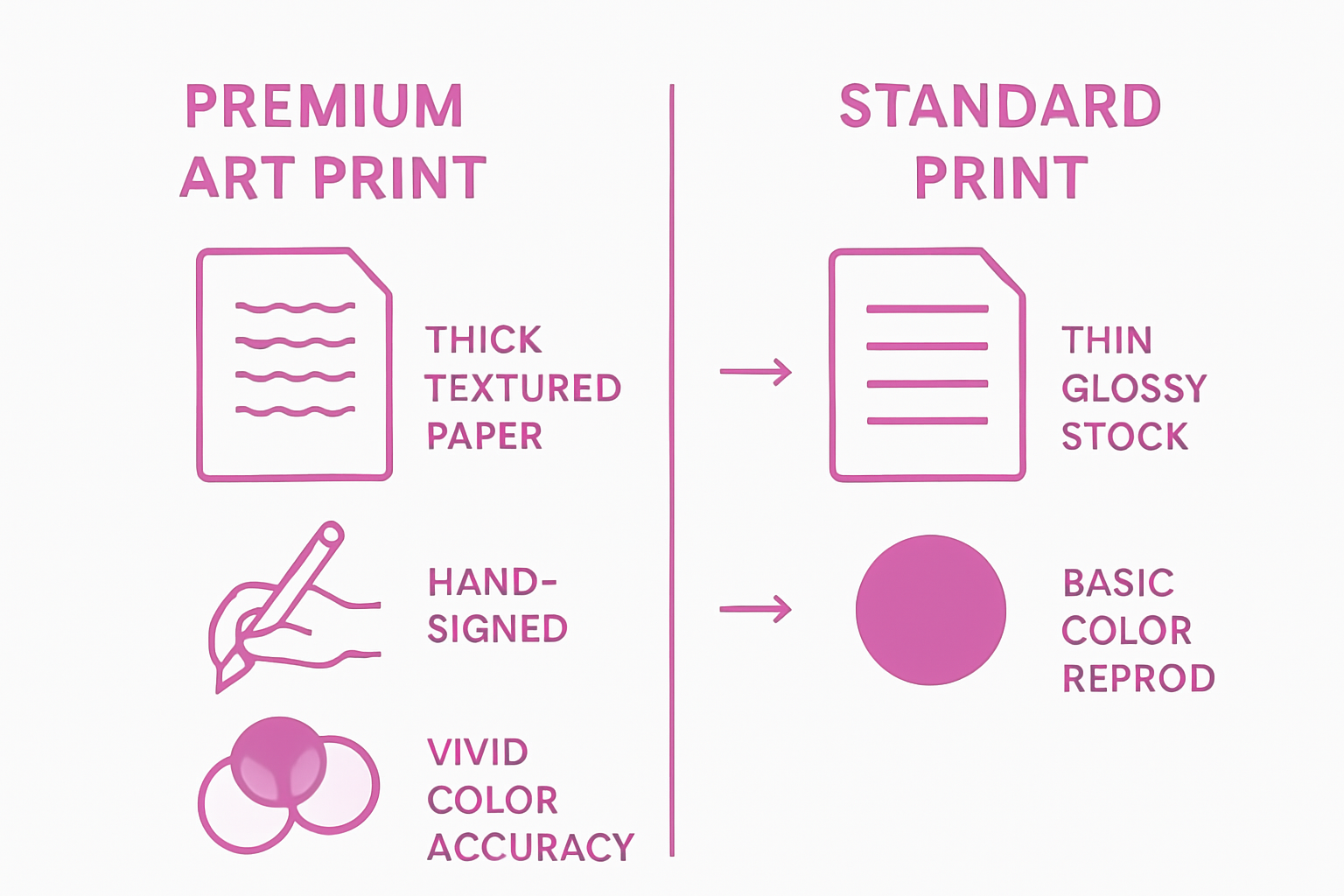
Authentication markers serve as critical indicators of a print’s premium status. Professional art prints typically feature specific characteristics that distinguish them from standard reproductions. These include artist signatures, numbered edition markings, embossed seals, and comprehensive documentation that traces the print’s artistic lineage and production process.
The technical and aesthetic differences between premium and standard prints are profound and multifaceted. Key distinguishing factors include:
- Print Quality: High-resolution details vs. pixelated or blurry imagery
- Material Integrity: Archival-grade substrates vs. standard paper
- Color Accuracy: Precise color matching vs. generic color reproduction
- Production Technique: Specialized printing methods vs. standard digital printing
- Edition Limitation: Numbered, limited series vs. unlimited mass production
- Artist Involvement: Direct artist engagement vs. commercial reproduction
Ultimately, premium prints represent more than mere reproductions. They are carefully crafted artistic statements that preserve the original artwork’s essence, technical sophistication, and creative vision. Collectors and art enthusiasts recognize these prints not just as decorative objects, but as valuable extensions of the original artistic experience.
Investment Considerations and Buying Tips
Navigating the art print market requires strategic insight and careful evaluation of multiple factors that influence long-term value and artistic significance. When purchasing art prints, collectors should ensure they are signed and numbered by the artist, and consider the edition size, as these elements directly impact the print’s potential appreciation and collectible status.
Price evaluation involves a complex interplay of artistic, technical, and market-driven considerations. Pricing art prints requires analyzing production costs, edition size, and the relationship between print and original artwork prices, ensuring collectors make informed investment decisions that balance aesthetic appreciation with potential financial returns.
Key strategic considerations for art print investments include:
- Edition Size: Smaller limited editions typically command higher values
- Artist Reputation: Emerging and established artists’ market positioning
- Print Authentication: Verifiable signatures and numbered certificates
- Preservation Condition: Archival quality and storage environment
- Provenance Documentation: Comprehensive artwork history and origin
- Market Trends: Contemporary art market dynamics and collector interests
Successful art print collecting transcends mere financial speculation. Intelligent investors approach these acquisitions as opportunities to support artistic expression, diversify personal collections, and potentially acquire pieces that appreciate in both monetary and cultural value over time.
Elevate Your Space with Premium Art Prints from Eman’s Gallery
Understanding the value and impact of premium art prints can transform how you experience art in your home or office. If you seek to own sophisticated, museum-quality pieces that go beyond basic reproductions, explore our carefully crafted Canvas Art Prints by Eman Khalifa | Premium Giclée Wall Art. Each print reflects the highest production standards with archival materials and authentic artist involvement, making them timeless additions to your collection.
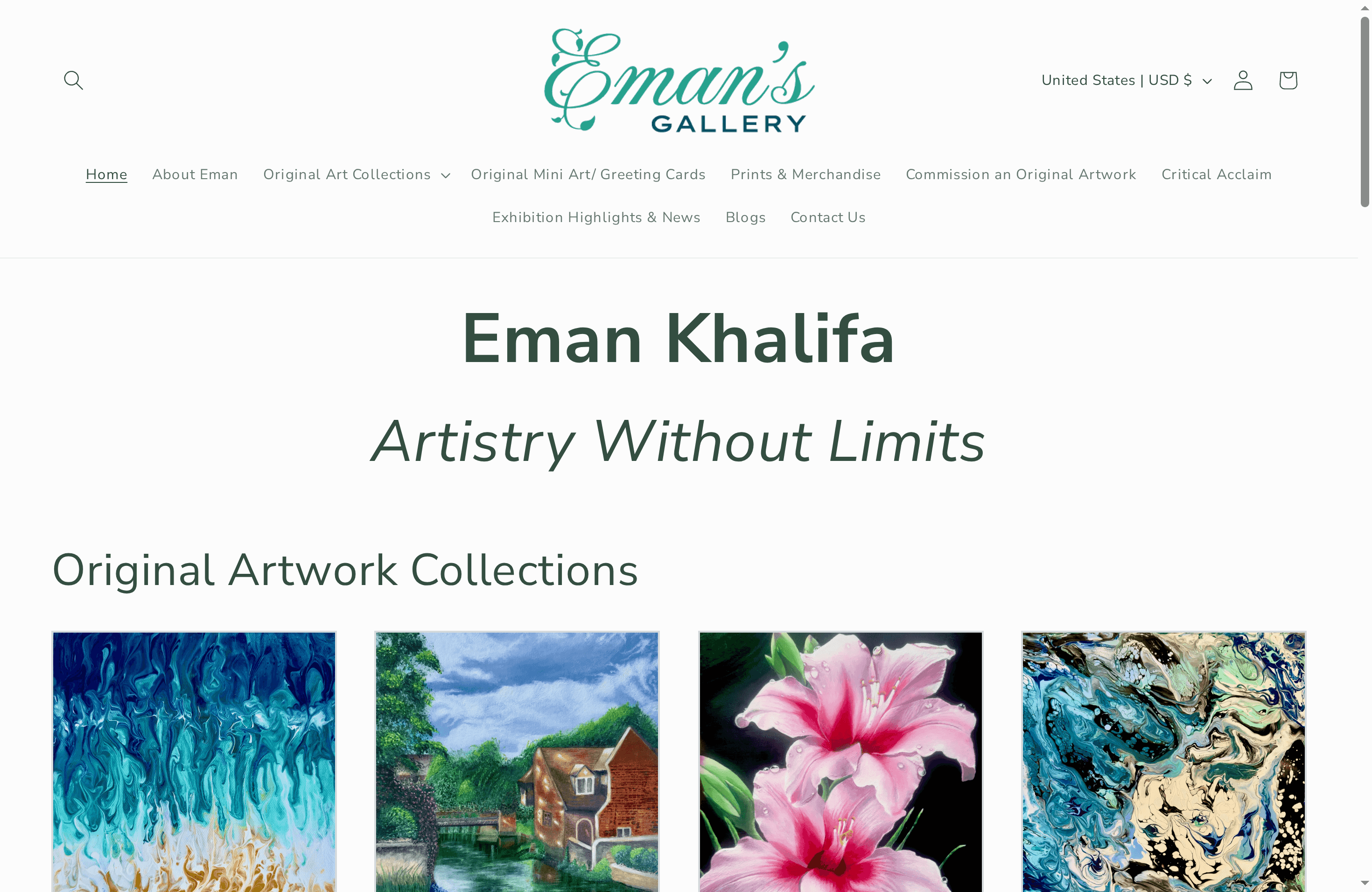
Discover the difference of owning limited edition, hand-signed giclée prints that bring color accuracy and lasting beauty to any environment. Shop now at Eman’s Gallery to experience original artworks and premium prints that match the depth and detail discussed in “Premium Art Prints Meaning: Value, Types, and Impact”. Start your art investment with confidence by visiting our Good Tidings - From Gold & Turquoise Ocean Art to Prints & Merch collection and embrace quality that stands the test of time.
Frequently Asked Questions
What are premium art prints?
Premium art prints are high-quality reproductions of original artwork that capture intricate details and artistic integrity, making them accessible to collectors. They differ from standard prints through superior craftsmanship and the use of archival materials.
How do I know if an art print is premium?
You can identify a premium art print by checking for features like a limited edition number, hand-signed authentication by the artist, high-resolution printing, and the use of archival materials that ensure longevity and color accuracy.
What types of premium art prints are available?
There are several types of premium art prints, including giclée prints, hand-embellished prints, C-Type photographic prints, lithographic prints, and screen-printed artwork. Each type offers unique characteristics and aesthetic qualities.
Why is the production quality important for art prints?
Production quality is crucial for art prints as it affects the visual accuracy, longevity, and overall value of the piece. High-resolution prints, archival materials, and professional color management contribute to preserving the artwork’s essence and ensuring its investment potential.
Recommended
- Complete Guide to Valuing Art Prints – Eman’s Gallery
- What Is an Art Print? Complete Guide for 2025 – Eman’s Gallery
- Complete Guide to Why Collect Art Prints – Eman’s Gallery
- Why Invest in Artist Prints: Complete Guide – Eman’s Gallery
- Using Projector for Art: Creative Ideas and Tips 2025 - Projector Display
Stay Connected
- ✨ Explore Eman Khalifa’s original art and fine art prints
- 📸 Follow Eman Khalifa’s art journey on: Instagram @emans_gallery and Facebook Eman’s Gallery
- 📹 Watch Eman Khalifa creating live art on: YouTube @emans_gallerye
