


What Is Art for Outdoors: Elevating Luxury Living Spaces
Transforming a garden or patio into a personal work of art often starts with rethinking assumptions about what belongs outdoors. For many luxury homeowners and interior designers in the UK and USA, selecting truly original outdoor art means going beyond familiar sculptures or decorative pieces. Defining art for outdoors opens possibilities for creative statements that interact with nature, spark conversation, and invite viewers to engage with their surroundings in new ways.
Table of Contents
- Defining Art For Outdoors And Common Misconceptions
- Types Of Outdoor Art For Luxury Settings
- Key Materials And Durability Considerations
- Installation, Weatherproofing, And Maintenance Tips
- Selecting Outdoor Art For Aesthetic Impact
- Common Mistakes To Avoid With Outdoor Art
Key Takeaways
| Point | Details |
|---|---|
| Outdoor Art Redefines Boundaries | Outdoor art challenges traditional definitions by transforming landscapes into engaging, interactive experiences beyond conventional displays. |
| Material Selection is Crucial | Choosing durable materials is essential for longevity and aesthetic appeal, especially in varying climate conditions. |
| Maintenance is Key | Regular inspections and maintenance planning are necessary to preserve outdoor art integrity and visual impact. |
| Aesthetic Integration Enhances Experience | Successful outdoor art should harmonize with its environment, creating emotional connections and immersive experiences for viewers. |
Defining Art for Outdoors and Common Misconceptions
Outdoor art represents a dynamic and expansive creative domain that challenges traditional artistic boundaries. Unlike conventional gallery displays, outdoor art transforms landscapes into interactive canvases, inviting viewers to experience creative expressions within natural environments. Contemporary art perspectives increasingly recognize that art need not be confined to interior spaces or elite institutions.
The scope of outdoor art encompasses diverse mediums and approaches that extend far beyond traditional sculptures or stationary installations. Key characteristics include:
- Engagement with environmental context
- Interaction with natural landscapes
- Potential for dynamic, evolving experiences
- Challenging conventional artistic expectations
Durability and environmental resilience distinguish outdoor artworks from traditional gallery pieces. Conservation guidelines emphasize the importance of material selection, protective treatments, and ongoing maintenance to preserve artistic integrity in challenging outdoor conditions.
Common misconceptions about outdoor art often stem from limited understanding of its purpose and potential. Many people assume outdoor art must be purely decorative or permanent, when in reality, these creative works can be temporary, performative, and deeply conceptual. They challenge viewers to reconsider their relationship with space, environment, and artistic expression.
Pro tip: When selecting or creating outdoor art, prioritize materials that can withstand local climate conditions and integrate harmoniously with the surrounding landscape.
Types of Outdoor Art for Luxury Settings
Luxury outdoor art represents a sophisticated approach to transforming exterior spaces into immersive artistic experiences. Architectural installations extend far beyond traditional sculptural elements, creating dynamic interactions between art, landscape, and architectural design. These creative interventions elevate outdoor environments from mere functional spaces to curated aesthetic statements.
The primary types of outdoor art for luxury settings include:
- Large-scale sculptures: Monumental pieces that command visual attention
- Site-specific environmental installations: Artworks integrating seamlessly with natural surroundings
- Interactive kinetic sculptures: Dynamic pieces that respond to wind, light, or viewer movement
- Water feature art: Sculptural elements incorporating flowing water and architectural design
- Living art installations: Landscape designs that blend botanical elements with artistic concepts
Materiality plays a crucial role in selecting outdoor art for luxury settings. Academic research highlights the importance of choosing materials that withstand environmental challenges while maintaining aesthetic integrity. Bronze, stainless steel, weathering steel, and specially treated stone are popular choices that offer durability and visual sophistication.
Contemporary luxury outdoor art challenges traditional boundaries by creating multi-sensory experiences. These artistic interventions transform exterior spaces into narrative environments, inviting viewers to engage with art beyond visual appreciation. The most compelling outdoor art pieces integrate seamlessly with their surroundings, creating a dialogue between human creativity and natural landscapes.
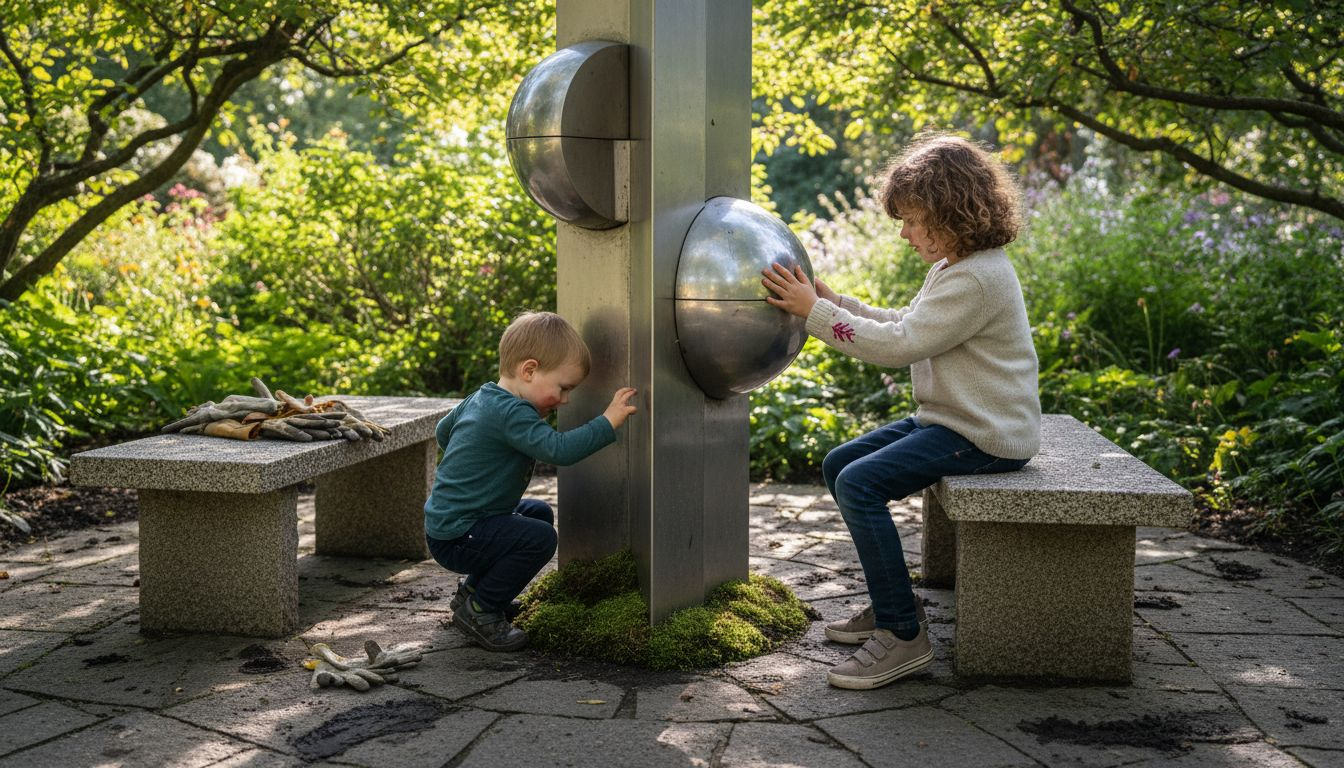
Pro tip: Consider commissioning site-specific artwork that reflects the unique architectural and natural characteristics of your luxury outdoor space, ensuring a truly personalized artistic statement.
Key Materials and Durability Considerations
Outdoor art in luxury settings demands meticulous material selection to ensure long-lasting aesthetic appeal. Material durability for outdoor sculptures represents a critical consideration that balances artistic vision with practical environmental challenges. The selection process involves understanding how different materials respond to varying climatic conditions and environmental stressors.
Key materials for luxury outdoor art include:
- Bronze: Develops a distinctive patina, offers exceptional corrosion resistance
- Stainless Steel: Maintains pristine appearance, highly resistant to weathering
- Weathering Steel: Creates unique oxidative surface, integrates beautifully with natural landscapes
- Granite: Provides extraordinary durability and timeless aesthetic quality
- Concrete: Allows complex sculptural forms with remarkable structural integrity
Environmental resilience requires a comprehensive understanding of material properties. Factors such as temperature fluctuations, moisture exposure, ultraviolet radiation, and mechanical stress significantly impact an artwork’s longevity. Luxury outdoor art demands materials that can withstand extreme conditions while maintaining their structural and aesthetic integrity.
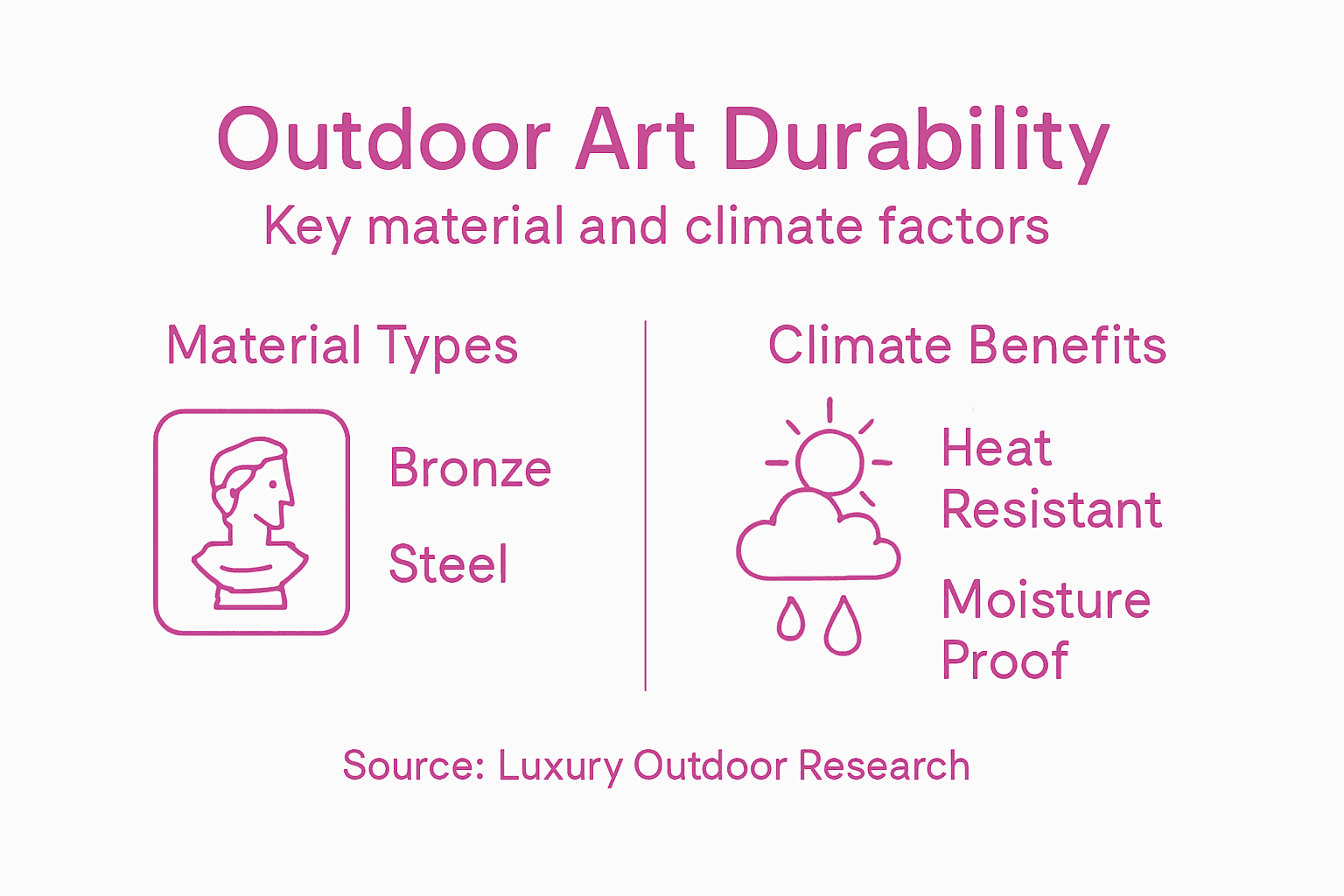
Advanced material treatments and protective coatings play a crucial role in extending the lifespan of outdoor art installations. Specialized sealants, corrosion-resistant treatments, and periodic maintenance can dramatically enhance an artwork’s durability. Professional conservators recommend regular inspections and targeted interventions to preserve the artwork’s original artistic intent and visual impact.
Here’s a quick comparison of common outdoor art materials and their benefits for luxury installations:
| Material | Appearance Advantage | Durability Benefit | Ideal Climate Use |
|---|---|---|---|
| Bronze | Elegant timeless patina | Excellent corrosion resistance | Humid or coastal environments |
| Stainless Steel | Modern reflective finish | High weathering resistance | Urban or variable climates |
| Weathering Steel | Natural organic texture | Gradual protective oxidation | Dry or temperate locations |
| Granite | Classic aesthetic beauty | Outstanding structural longevity | All climates, especially harsh |
| Concrete | Customizable sculptural form | Solid structural support | Mild to moderate climates |
Pro tip: Consult with materials engineering specialists and art conservation experts before selecting outdoor art materials to ensure optimal longevity and aesthetic performance.
Installation, Weatherproofing, and Maintenance Tips
Installing outdoor art in luxury settings requires a strategic approach that goes beyond aesthetic considerations. Preventive conservation principles are critical for ensuring the longevity and integrity of artistic installations exposed to environmental challenges.
Key installation and maintenance considerations include:
- Site selection: Analyze sunlight exposure, wind patterns, and drainage
- Foundation preparation: Create stable, level surfaces with appropriate drainage
- Protective barriers: Install underground barriers to prevent soil moisture damage
- Structural support: Use corrosion-resistant mounting hardware
- Drainage management: Ensure water cannot accumulate around artwork base
Weatherproofing techniques play a crucial role in preserving outdoor art. Specialized protective coatings can shield artwork from ultraviolet radiation, moisture penetration, and temperature fluctuations. These treatments create an invisible barrier that maintains the artwork’s original aesthetic while providing robust environmental protection.
Public art maintenance strategies emphasize the importance of routine professional inspections. Regular maintenance should include comprehensive assessments of structural integrity, surface condition, and potential environmental damage. Professional conservators recommend developing a detailed maintenance schedule that includes cleaning protocols, periodic protective treatments, and immediate intervention for any signs of deterioration.
The following table summarizes major challenges and solutions for outdoor art installation and maintenance:
| Challenge | Potential Impact | Professional Solution |
|---|---|---|
| Sunlight exposure | Fading, surface damage | UV-resistant coatings |
| Excess moisture | Corrosion, erosion | Draining systems, sealants |
| Wind and movement | Instability, breakage | Secure structural supports |
| Seasonal changes | Cracking, material stress | Flexible installation materials |
| Maintenance neglect | Rapid deterioration | Routine expert inspections |
Pro tip: Develop a comprehensive maintenance log documenting each artwork’s condition, treatments applied, and environmental exposure to track its long-term preservation effectively.
Selecting Outdoor Art for Aesthetic Impact
Choosing outdoor art for luxury spaces requires a nuanced understanding of aesthetic principles that transcend simple visual appeal. Landscape aesthetic considerations reveal that successful art selections create profound emotional connections between viewers and their environment, transforming outdoor spaces into deeply personal experiences.
Critical factors for selecting aesthetically impactful outdoor art include:
- Scale and proportion: Ensure artwork harmonizes with surrounding landscape
- Color palette: Select pieces that complement existing architectural and natural elements
- Emotional resonance: Choose art that evokes meaningful personal or cultural connections
- Visual dynamics: Consider how artwork interacts with changing light and seasonal variations
- Contextual integration: Select pieces that tell a story within the specific environment
Viewer perception plays a crucial role in determining aesthetic impact. Landscape design research demonstrates that successful outdoor art creates multisensory experiences that engage viewers beyond mere visual observation. The most compelling installations generate emotional responses that transform spaces from mere visual backdrops to meaningful environmental narratives.
Understanding the interplay between art, landscape, and viewer experience requires a sophisticated approach to selection. Luxury outdoor art should not simply decorate a space but create a dialogue between the artwork, its environment, and the viewer’s personal aesthetic sensibilities. This approach transforms outdoor areas into curated experiences that reflect individual taste and cultural sophistication.
Pro tip: Conduct site-specific mockups and lighting studies before finalizing outdoor art selections to ensure perfect aesthetic and environmental integration.
Common Mistakes to Avoid with Outdoor Art
Outdoor art installations require meticulous planning and strategic execution to prevent costly errors that can compromise aesthetic and structural integrity. Outdoor design mistakes frequently stem from inadequate preparation and overlooking critical environmental considerations that impact long-term artwork preservation.
Common pitfalls in outdoor art selection and installation include:
- Ignoring local climate conditions: Selecting materials inappropriate for specific environmental challenges
- Neglecting site-specific considerations: Failing to analyze landscape topography and lighting conditions
- Poor scale and proportion: Choosing artworks that overwhelm or underwhelm the surrounding space
- Inadequate foundation preparation: Skipping critical structural support requirements
- Minimal maintenance planning: Underestimating ongoing conservation needs
Installation challenges can significantly diminish the aesthetic and functional value of outdoor art pieces. Landscape design research emphasizes the importance of comprehensive planning that considers not just visual appeal, but also environmental interaction, durability, and long-term preservation strategies.
Navigating the complex landscape of outdoor art requires a holistic approach that balances artistic vision with practical considerations. Luxury outdoor art installations demand sophisticated understanding of material science, environmental dynamics, and aesthetic integration. Successful selections transcend mere decorative purposes, creating immersive experiences that harmonize with their surrounding landscapes and reflect the nuanced tastes of discerning collectors.
Pro tip: Consult professional art conservators and landscape designers during the initial planning stages to develop a comprehensive strategy that addresses potential environmental and structural challenges.
Elevate Your Luxury Outdoor Space with Original Art from Eman’s Gallery
Creating lasting impressions in your outdoor environment means selecting art that balances durability with emotional resonance and sophisticated style. This article highlights the challenges of choosing and maintaining luxury outdoor art—and at Eman’s Gallery, we understand these demands by offering original handmade paintings that elevate any space while complementing natural surroundings.
Discover our stunning Landscape Original Art collection featuring exclusive pieces designed to harmonize with your outdoor setting. Our museum-quality canvas prints and one-of-a-kind artworks provide the perfect solution for those seeking to transform exterior spaces into curated artistic environments. Start your journey to impeccable outdoor living now by visiting Eman’s Gallery and explore how original art can redefine your luxury lifestyle.
Frequently Asked Questions
What defines outdoor art?
Outdoor art is a form of creative expression that transforms landscapes into interactive canvases. It encompasses various mediums, engages with the natural environment, and often challenges traditional artistic boundaries.
What types of materials are best for outdoor art installations?
Popular materials for luxury outdoor art include bronze, stainless steel, weathering steel, granite, and concrete. These materials are chosen for their durability and ability to withstand environmental challenges while maintaining aesthetic appeal.
How can I ensure the longevity of outdoor art?
To ensure outdoor art lasts, use materials that are suited for the local climate, employ protective coatings, and implement a robust maintenance schedule that includes regular inspections and cleaning to address any environmental damage.
What are common mistakes to avoid when installing outdoor art?
Common mistakes include ignoring local climate conditions, neglecting site-specific considerations, poor scale and proportion, inadequate foundation preparation, and minimal maintenance planning. Addressing these aspects during the planning stage can enhance both the aesthetic and functional value of the installations.
Recommended
- Why Decorate With Art: Transforming Modern Luxury Spaces
- Art Styles Explained: Shaping Luxury Interiors
- Why Display Art at Home: Transforming Modern Spaces
- Role of Art Prints in Interior Design Luxury Spaces
- 7 Inspiring Examples of Interior Plantscaping for Luxury Spaces
Stay Connected
- ✨ Explore Eman Khalifa’s original art and fine art prints
- 📸 Follow Eman Khalifa’s art journey on: Instagram @emans_gallery and Facebook Eman’s Gallery
- 📹 Watch Eman Khalifa creating live art on: YouTube @emans_gallery
