


Gallery Wall Style: Transforming Spaces With Art
Most American homes are adding personality and style by featuring gallery walls, with over 60 percent of interior designers recommending this trend for making spaces feel truly unique. A well-curated gallery wall does more than fill a blank space, it tells a visual story and reflects the character of its creator. Discover how the right arrangement can transform an ordinary wall into a striking focal point filled with meaning and individuality.
Table of Contents
- Gallery Wall Meaning and Core Concepts
- Popular Gallery Wall Styles and Arrangements
- How to Curate Art for a Gallery Wall
- Key Design Considerations and Pitfalls
- Gallery Walls in Modern Interior Design
Key Takeaways
| Point | Details |
|---|---|
| Gallery Walls Enhance Personal Expression | A gallery wall is a unique arrangement that reflects individual taste and creativity through a curated collection of art and photography. |
| Design Principles Matter | Successful gallery walls rely on thoughtful curation, visual balance, and cohesive storytelling, enhancing the overall aesthetic. |
| Avoid Common Pitfalls | Key mistakes like overcrowding or inconsistent spacing can disrupt visual harmony, so plan layouts carefully before hanging. |
| Consider Architectural Context | Integrate gallery walls with existing furniture and lighting to create seamless, engaging visual narratives in any space. |
Gallery Wall Meaning and Core Concepts
A gallery wall is a dynamic artistic arrangement that transforms ordinary walls into personalized visual narratives. According to design experts, a gallery wall is a curated collection of framed artwork, photographs, and decorative objects displayed together on a single wall, creating a compelling and intimate design statement.
The magic of a gallery wall lies in its flexibility and personal expression. Unlike traditional art displays, these arrangements break conventional design rules, allowing homeowners to mix modern and vintage frames, combine traditional and contemporary art styles, and showcase pieces that tell a unique story. Salon wall designers suggest that if a collection pleases you, there are no strict limitations on mixing different aesthetic elements.
Core design principles for creating successful gallery walls include thoughtful curation, visual balance, and cohesive storytelling. While pieces can vary in size, frame style, and artistic genre, successful arrangements typically share unifying elements such as color palette, thematic connection, or consistent framing. This approach transforms a simple wall into an engaging, personalized art experience that reflects individual taste and creativity.
Pro Design Tip: Start your gallery wall planning by laying out your artwork on the floor first, experimenting with different arrangements and compositions before committing to hanging pieces on the wall.
Popular Gallery Wall Styles and Arrangements
Gallery walls have evolved dramatically, offering diverse aesthetic approaches for art enthusiasts and interior designers. Contemporary design trends in 2025 showcase a shift towards more dynamic and personalized wall arrangements, moving beyond traditional uniform displays.
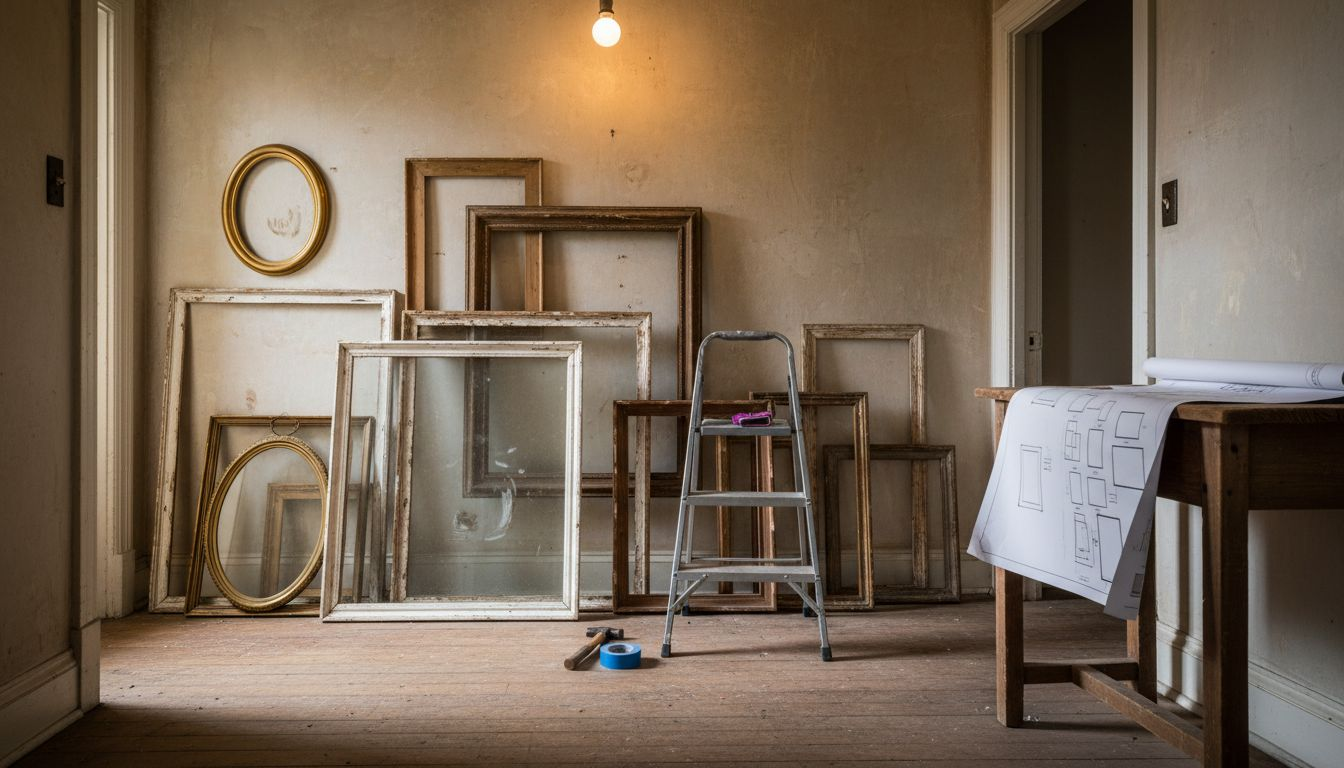
Several distinctive gallery wall styles have emerged, each with unique characteristics and visual impact. Grid-style arrangements present a structured, symmetrical approach where artworks are meticulously aligned, creating a clean and organized appearance. In contrast, eclectic gallery walls embrace asymmetry and spontaneity, allowing for creative mixing of frame sizes, art styles, and visual textures. Another popular approach is the minimalist gallery wall, which focuses on carefully curated two or three statement pieces that create visual breathing room and emphasize individual artwork.
When designing a gallery wall, consider key design principles such as color harmony, frame consistency, and spatial balance. Some homeowners prefer monochromatic palettes for a sophisticated look, while others opt for bold, contrasting color combinations that energize the space. Art display techniques have become more adventurous, encouraging personal expression through varied frame styles and artistic genres.
Pro Design Tip: Measure and map out your gallery wall layout using painter’s tape on the wall before hanging, allowing you to experiment with arrangement and spacing without creating unnecessary nail holes.
Here’s a quick comparison of popular gallery wall styles:
| Style | Visual Structure | Best For | Key Visual Feature |
|---|---|---|---|
| Grid-Style | Strictly organized | Formal, symmetrical interiors | Uniform frame alignment |
| Eclectic | Freeform, asymmetrical | Creative, boldly personal spaces | Mixed frames, varied art |
| Minimalist | Sparse and intentional | Modern, uncluttered environments | Few focal pieces |
How to Curate Art for a Gallery Wall
Art curation is the heart of creating a compelling gallery wall that reflects personal style and visual storytelling. Curating a gallery wall requires focused attention on selecting and arranging artworks that create a cohesive and engaging display, transforming a simple wall into a dynamic visual narrative.
When curating your gallery wall, consider several key strategies for selection and arrangement. Start by identifying a unifying theme that connects your pieces - this could be color palette, artistic style, subject matter, or personal significance. Thoughtful curation involves mixing different sizes, styles, and frame types while maintaining an underlying visual harmony. For instance, you might combine vintage family photographs with contemporary abstract prints, or blend black and white imagery with colorful landscape paintings.
The selection process should be intentional and personal. Consider incorporating artworks that tell your unique story, including original paintings, prints, photographs, sketches, and even three-dimensional objects like ceramic pieces or small sculptural elements. Pay attention to visual weight, ensuring a balanced composition that guides the viewer’s eye across the entire display. The variety of art for interior spaces can dramatically enhance the aesthetic impact of your gallery wall.
Pro Curation Tip: Create a preliminary layout by tracing your frames on kraft paper, cutting out the shapes, and temporarily arranging them on the wall with painter’s tape to visualize the final composition before making any permanent hanging decisions.
Key Design Considerations and Pitfalls
Gallery wall design requires careful planning and strategic decision-making to create a visually stunning and harmonious display. Professional designers recommend exploring potential layouts by first arranging artwork on the floor, which helps prevent common design mistakes, allowing for thoughtful composition before committing to permanent placement.
Several critical design considerations can make or break a gallery wall’s aesthetic success. First, maintain visual balance by distributing artwork’s visual weight evenly across the wall. This means mixing larger statement pieces with smaller complementary works, and avoiding clustering too many heavy or intricate pieces in one area. Color coordination is equally important - while eclectic combinations can work, maintaining some underlying color harmony prevents the display from feeling chaotic. Art placement techniques for interior spaces demand careful consideration of spacing, alignment, and overall visual flow.
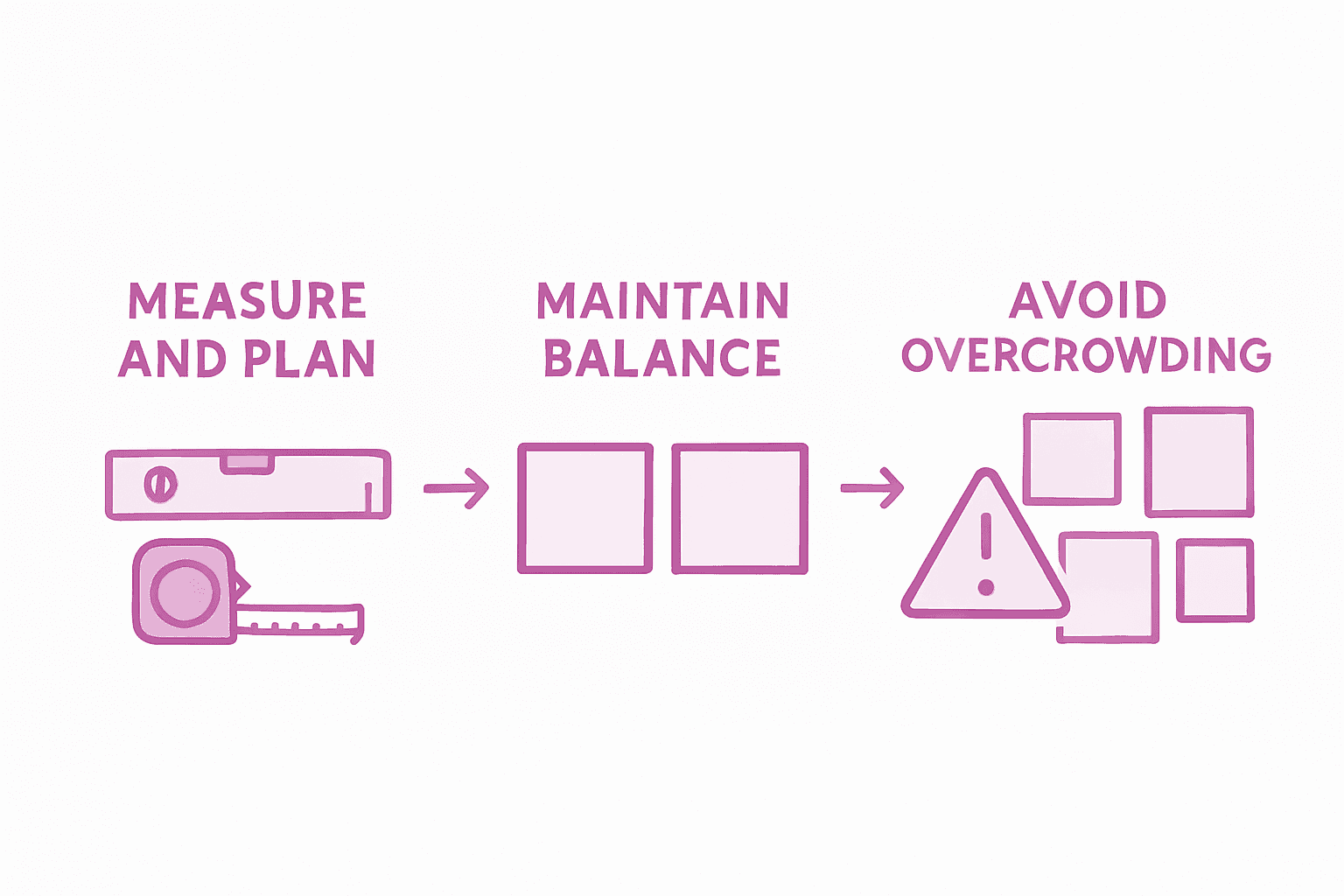
Common pitfalls to avoid include overcrowding, inconsistent frame spacing, and neglecting the wall’s architectural context. Typical mistakes include hanging pieces too close together, creating a cramped appearance, or failing to account for the room’s existing furniture and architectural elements. Aim for approximately 2-3 inches of consistent spacing between frames, and consider the wall’s height, surrounding furniture, and natural light when planning your gallery wall composition.
Pro Design Tip: Use painter’s tape to create a temporary grid on your wall, marking exact hanging positions and ensuring precise alignment before making any permanent nail holes.
Consider these common gallery wall pitfalls and solutions:
| Pitfall | Impact on Display | Solution Tip |
|---|---|---|
| Overcrowding | Creates visual clutter | Leave 2-3 inches between artworks |
| Inconsistent frame spacing | Looks chaotic and unplanned | Use painter’s tape for layout |
| Ignoring room context | Disrupts flow with furniture | Factor in furniture and lighting |
| Unbalanced visual weight | Area feels lopsided | Distribute large pieces evenly |
Gallery Walls in Modern Interior Design
Modern interior design has embraced gallery walls as a powerful tool for personal expression and spatial transformation. Contemporary designers are now incorporating gallery walls in unexpected and challenging spaces, such as staircases and corner nooks, turning previously overlooked areas into dynamic visual experiences.
Minimalist and maximalist design approaches both leverage gallery walls to create unique aesthetic statements. In minimalist interiors, carefully curated collections with limited color palettes and clean lines can add visual interest without overwhelming the space. Conversely, maximalist designs use gallery walls as a canvas for eclectic, vibrant collections that tell rich, layered stories. Contemporary wall art techniques offer designers unprecedented flexibility in creating personalized interior narratives, allowing for seamless integration of art into various design philosophies.
The role of gallery walls extends beyond mere decoration, functioning as interactive design elements that reflect personal history, cultural influences, and individual aesthetic sensibilities. Modern interior designers view these curated displays as living compositions that can be updated, rearranged, and evolving alongside the inhabitants’ personal journeys. Strategic placement considers not just visual appeal, but also how artwork interacts with architectural elements, furniture, and natural lighting to create holistic spatial experiences.
Pro Design Tip: Select a primary color or design theme from your existing interior when curating your gallery wall to ensure a cohesive and intentional design that feels naturally integrated into the space.
Elevate Your Space with a Stunning Gallery Wall from Eman’s Gallery
Struggling to find the perfect art pieces that capture your unique style and transform your walls into compelling personal narratives The article highlights key challenges like achieving visual balance, unifying themes, and curating diverse artworks that speak your story. At Eman’s Gallery you can discover original handmade paintings and museum-quality prints that fit a variety of gallery wall styles such as eclectic, minimalist, and grid arrangements. Our carefully crafted artwork allows you to mix and match colors, sizes, and themes effortlessly to create a captivating gallery wall that breathes life into your interior.
Enhance your home with exclusive pieces from Eman’s Gallery and enjoy a seamless experience shipping worldwide to the USA Canada Australia Germany France Italy Spain Portugal Greece UAE and The Netherlands. Don’t wait to turn your gallery wall dreams into reality Explore our collection today and take the first step toward a beautifully curated space that reflects who you are. Visit Eman’s Gallery now to begin creating your personalized art story.
Frequently Asked Questions
What is a gallery wall?
A gallery wall is a curated collection of framed artwork, photographs, and decorative objects displayed together on a single wall, creating a personalized visual narrative.
How do I start planning my gallery wall?
Begin by laying out your artwork on the floor, experimenting with different arrangements and compositions before hanging them on the wall to find the best layout.
What are the popular styles for gallery walls?
Gallery wall styles include grid-style arrangements for a structured look, eclectic walls for a freeform approach, and minimalist displays focusing on a few statement pieces.
How can I ensure visual balance in my gallery wall?
To achieve visual balance, mix larger statement pieces with smaller works and maintain consistent spacing (approximately 2-3 inches) between frames to create a harmonious display.
Recommended
- Complete Guide to Types of Art for Interiors – Eman’s Gallery
- 7 Inspiring Art Display Ideas to Elevate Your Home Decor – Eman’s Gallery
- Contemporary Wall Art Explained: Complete Overview – Eman’s Gallery
- 7 Top Art Print Subjects Every Collector Should Know – Eman’s Gallery
Stay Connected
- ✨ Explore Eman Khalifa’s original art and fine art prints
- 📸 Follow Eman Khalifa’s art journey on: Instagram @emans_gallery and Facebook Eman’s Gallery
- 📹 Watch Eman Khalifa creating live art on: YouTube @emans_gallerye
