


What Are the Expressive Arts? A Complete Guide
TL;DR:
- The expressive arts are an integrated discipline that uses multiple creative forms to promote emotional expression and personal growth. They focus on the process of creation rather than technical skill or aesthetic outcomes.
The expressive arts are defined as an integrated, multimodal discipline that uses visual art, movement, music, drama, writing, and meditative practices to support emotional expression and personal growth. Unlike traditional fine arts education, the expressive arts prioritize the creative process over technical skill or aesthetic outcome. The concept emerged in the late 1970s and is recognized by organizations like the International Expressive Arts Therapy Association (IEATA). Educational systems, including Wales’ national curriculum, have formally adopted expressive arts as a core area of learning. This guide explains what the expressive arts are, how they work, and how you can engage with them.
1. What are the expressive arts? Core definition
The expressive arts are an integrated creative approach that moves beyond individual art forms to combine multiple disciplines in service of emotional exploration and meaning-making. The focus is on curiosity, empathy, and the act of creating rather than producing a polished result. This distinguishes expressive arts from conventional art classes, where technique and product quality are central goals. The field draws from Romantic traditions of authentic self-revelation but has evolved to recognize expression as a relational act. That means your creative work communicates with and within a community, not just inward.
2. What are the main types of expressive arts?
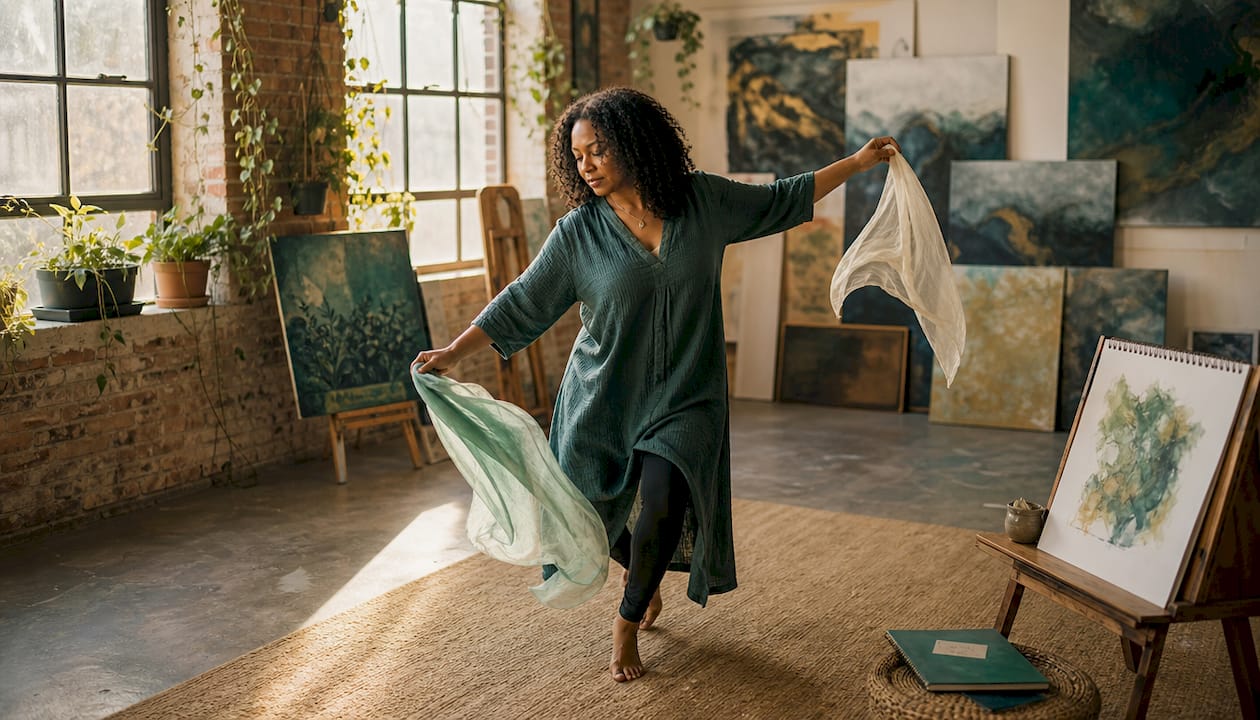
The core modalities of expressive arts span six broad categories. Each one offers a distinct entry point into creative expression, and professionals use them interchangeably depending on the individual’s needs and goals.
- Visual arts: Painting, drawing, collage, sculpture, and photography. These forms externalize inner states through image and form.
- Movement and dance: Includes somatic practices that connect physical sensation to emotional awareness. No dance training is required.
- Music: Listening, rhythm, voice, and sound-making. Music accesses emotion quickly and bypasses verbal defenses.
- Drama and theater: Enactment, role play, and improvisation. These techniques allow you to explore experiences from a safe distance.
- Writing: Poetry, journaling, and storytelling. Writing gives shape to thoughts that resist spoken language.
- Meditative and nature-based practices: Mindful observation, outdoor creative work, and contemplative exercises that ground the body and calm the nervous system.
These modalities are not used in isolation. A single expressive arts session might move from music to collage to writing, layering each form to deepen insight. That intermodal approach is what separates expressive arts from a standalone painting class or a dance lesson.
3. How expressive arts are used in education
Formal education systems have recognized expressive arts as a structured area of learning. In Wales, expressive arts is one of six core areas of learner experience in the national curriculum, covering art, dance, drama, music, film, digital media, and creative writing. The goal is to help students communicate ideas, engage their imagination, and develop creativity as a transferable skill.
Educational applications of expressive arts include:
- Building communication skills through drama and storytelling
- Developing empathy by exploring characters and perspectives in theater
- Strengthening focus and self-regulation through music and rhythm activities
- Encouraging visual thinking through drawing and collage projects
- Supporting emotional literacy through reflective journaling
Pro Tip: If you are a teacher or parent, you do not need specialized training to introduce expressive arts activities. Start with open-ended prompts like “draw how today felt” or “move like the weather outside.” The process matters more than the result.
Creative thinking is a cognitive skill that spans many domains. Expressive arts provide specific mediums for that thinking to take embodied form, which is a meaningful distinction for educators designing curricula.
4. Expressive arts therapy: how it works
Expressive arts therapy is a clinical practice that combines art forms like dance, music, and writing to help people understand and process their emotions. It is effective for mental health conditions including anxiety, ADHD, and depression. The therapeutic value lies entirely in the creative process, not in the quality of what is produced.
Sessions are typically led by a trained expressive arts therapist. A session might begin with a music listening exercise, move into creating a collage, and close with a short written reflection. This intermodal layering accesses emotional insights that words alone cannot reach. The approach is especially useful for people who find traditional talk therapy limiting or who struggle to articulate their inner experience verbally.
Expressive arts therapy is also used in coaching contexts. Expressive arts coaching integrates multiple artistic modalities to foster resilience and meaningful change, engaging mind, body, and spirit through experiential, culturally responsive processes.
“Expressive arts are essential for human flourishing and social transformation, helping individuals and communities navigate complex social and environmental issues.” — California Institute of Integral Studies (CIIS)
5. Key benefits of engaging with expressive arts
Engaging with expressive arts improves emotional resilience, fosters self-expression, builds community connection, and helps people process complex or unspoken experiences. These benefits are accessible to anyone, regardless of artistic background or training.
Emotional regulation is one of the most documented outcomes. Creating art, moving to music, or writing freely activates self-awareness and gives difficult emotions a safe container. People who engage regularly with expressive arts report stronger regulation strategies over time.
Body awareness is a less obvious but significant benefit. Somatic movement practices within expressive arts help you notice physical tension, posture, and breath patterns that reflect emotional states. This body-level insight is often the first step toward genuine change.
Community and relational expression are central to the field’s philosophy. Creative expression in expressive arts is relational. It articulates shared experiences and collective voices, not just private feelings. Group expressive arts programs in schools, hospitals, and community centers demonstrate this social dimension clearly.
Inclusivity is built into the model. The expressive arts require no prior training, no talent, and no specific cultural background. That accessibility makes them one of the most democratic tools available for personal and collective growth.
6. Common misconceptions about expressive arts
Several persistent misunderstandings prevent people from exploring this field. Addressing them directly makes it easier to get started.
- “You need artistic talent.” Expressive arts require no artistic talent. Even a simple drawing or spontaneous movement is an effective entry point. The therapeutic element is the process, not the product.
- “It’s just arts and crafts.” Expressive arts are a structured discipline with roots in psychology, education, and somatic practice. Arts and crafts focus on a finished object. Expressive arts focus on what happens inside you while you create.
- “One art form is enough.” The intermodal approach is what gives expressive arts their depth. Layering music, movement, and writing in sequence reaches places that any single form cannot.
- “It’s only for people in therapy.” Expressive arts are used in schools, workplaces, community programs, and personal self-care routines. Therapy is one context among many.
- “Anyone can jump straight in.” Emotional grounding matters. Clients should have self-regulation capacity before engaging in expressive arts therapy, as the process can surface deep feelings that require careful handling.
Pro Tip: Before your first expressive arts session with a therapist, practice a simple grounding exercise: sit quietly, breathe slowly, and notice five things you can see. This builds the self-regulation foundation that makes deeper creative work safer.
7. How to get started with expressive arts
Starting with expressive arts does not require a therapist or a formal program. You can begin with simple, low-stakes activities and build from there.
- Try free drawing or painting. Set a timer for 10 minutes. Use any materials available. Do not plan what you will make. Let the marks reflect your current state.
- Start a feeling journal. Write three sentences each morning about how your body feels, not just your thoughts. This builds the emotional vocabulary that expressive arts deepen.
- Move to music. Put on a piece of music and let your body respond without choreography. Notice what movements arise naturally.
- Layer your modalities. After a music session, pick up a pen and write whatever comes. After drawing, read your writing aloud. The connections between forms often reveal something new.
- Explore popular art styles for inspiration. Seeing how professional artists express emotion through color, form, and composition can spark your own creative instincts.
- Seek a qualified practitioner. If you want to go deeper, look for a therapist or coach trained in expressive arts therapy or expressive arts coaching. IEATA maintains a directory of credentialed practitioners.
- Set a clear intention. Before each session, ask yourself what you want to explore. Intentions do not need to be specific. “I want to understand why I feel stuck” is enough to guide a productive session.
Key takeaways
Expressive arts are an integrated, multimodal discipline that prioritizes the creative process over artistic skill, making them accessible and effective for emotional growth, education, and therapy.
| Point | Details |
|---|---|
| Definition of expressive arts | An integrated discipline combining visual art, movement, music, drama, and writing to support emotional expression. |
| No talent required | The therapeutic value lies in the creative process itself, not the quality of the final product. |
| Educational applications | Wales includes expressive arts as one of six core curriculum areas, covering art, dance, drama, music, and writing. |
| Therapeutic effectiveness | Expressive arts therapy helps with anxiety, ADHD, and depression by layering multiple art forms in sessions. |
| Relational dimension | Creative expression in expressive arts articulates shared experiences, not just individual feelings. |
Why expressive arts matter more than most people realize
Most conversations about art focus on the object: the painting on the wall, the performance on stage, the poem on the page. What strikes me most about expressive arts is that they shift the focus entirely. The object is almost beside the point. What matters is what happens in the person while they are making it.
I have seen this firsthand in how people respond to original paintings. A piece of abstract work does not tell you what to feel. It opens a space where your own emotional state becomes visible to you. That is exactly what expressive arts practice does in a structured way. The art form becomes a mirror, not a message.
The growing presence of expressive arts in schools and clinical settings reflects something real: verbal communication has limits. Not every experience can be spoken. Some things need to be painted, moved, or sung before they can be understood. Expressive arts give those experiences a form.
What I find most worth noting is the relational dimension. Expression is not a solo act. When you share a drawing in a group, or move alongside others in a somatic session, something shifts in the room. That communal quality is what makes expressive arts a tool for social cohesion, not just personal healing. Access to that kind of expression should not depend on artistic talent or financial resources. It belongs to everyone.
— Eman
Original art that captures the expressive spirit
Emansgallery offers original handmade paintings and museum-quality canvas prints that reflect the same values at the heart of expressive arts: emotion, process, and authentic visual language. Each piece by artist Eman Khalifa is one of a kind, created without a formula.
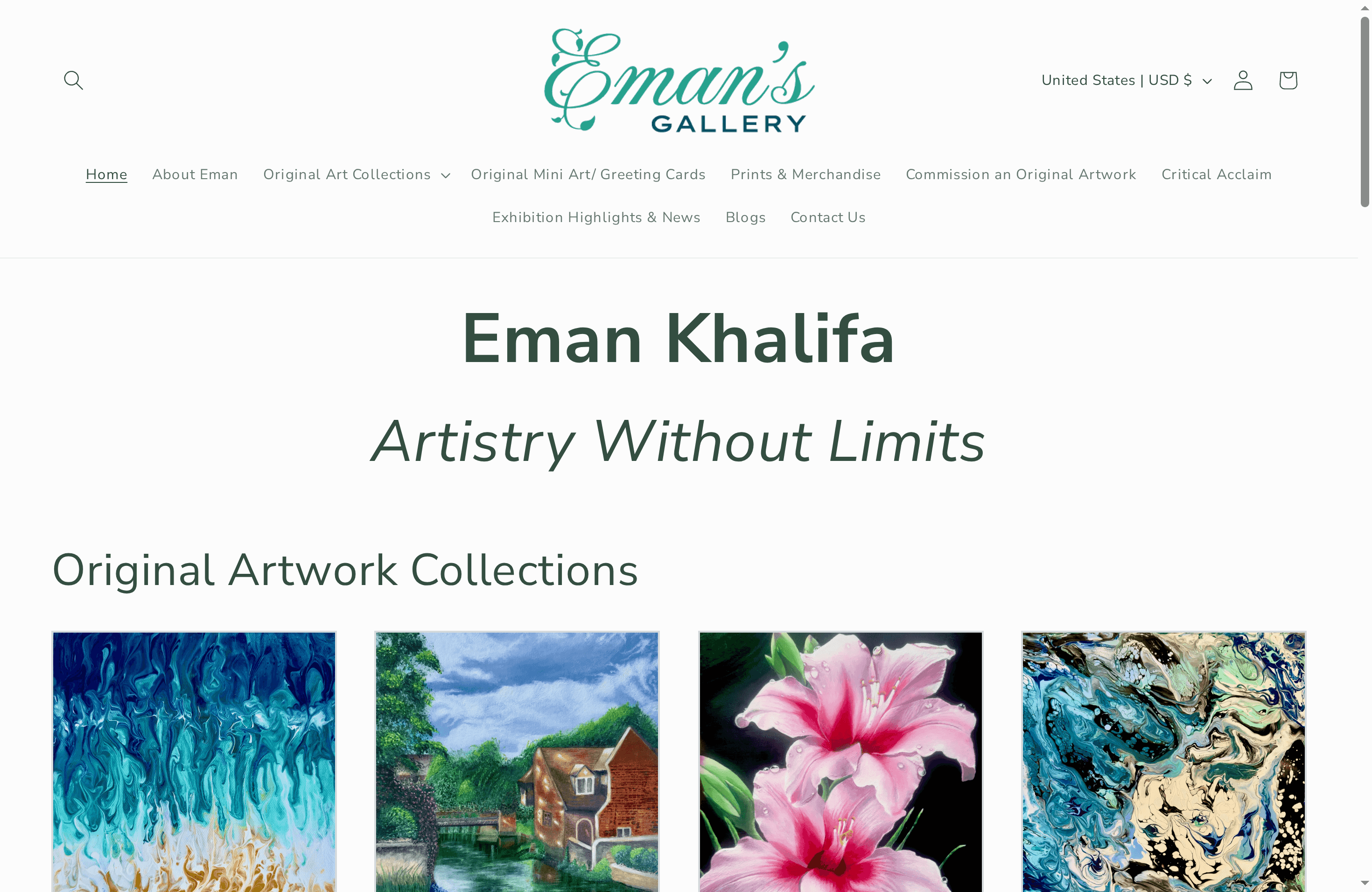
The Private Eye canvas print is a strong example of conceptual expressionism, where form and mystery carry meaning that words cannot. For collectors drawn to mood and atmosphere, the Nocturned original painting captures a tonalist moonlit scene with quiet emotional weight. Browse the full collection of wall art prints to find pieces that speak to your own expressive sensibility. Emansgallery ships worldwide from the UK, USA, Canada, Australia, and beyond.
FAQ
What are the expressive arts in simple terms?
The expressive arts are a set of creative disciplines, including visual art, music, movement, drama, and writing, used to support emotional expression and personal growth. The focus is on the creative process, not artistic skill.
Is expressive arts therapy the same as art therapy?
Expressive arts therapy is broader than art therapy. It uses multiple art forms in combination, while art therapy typically focuses on visual art alone. Both are clinically recognized practices.
Do you need artistic ability to benefit from expressive arts?
No artistic ability is required. The therapeutic and educational value of expressive arts comes from engagement with the creative process, not from the quality of what you produce.
How are expressive arts used in schools?
Schools use expressive arts to build communication skills, emotional literacy, empathy, and creativity. Wales formally includes expressive arts as one of six core areas of its national curriculum.
What is intermodal expressive arts?
Intermodal expressive arts intentionally layer multiple art forms, such as music followed by collage followed by writing, to access emotional insights that a single art form cannot reach on its own.
Stay Connected
- ✨ Explore Eman Khalifa's original art, fine art prints and art-inspired merchandise.
- Follow Eman Khalifa's art journey on: Instagram @emans_gallery and Facebook
- Watch Eman Khalifa creating live art on: YouTube @emans_gallery
