


Traditional Art and Digital Art: A Complete 2026 Guide
TL;DR:
- Digital art is experiencing rapid growth, outpacing traditional art’s market expansion.
- Artists increasingly blend techniques to create hybrid works that appeal to diverse audiences.
Traditional art uses physical materials like paint, canvas, and sculpture, while digital art uses computers, tablets, and software to create visual works. Both forms now define the contemporary art world, and the boundary between them is shrinking fast. Over 40% of artists under 35 identify primarily as digital creators today, compared to just 8% in 2010. That shift reflects a generation that grew up with both a sketchbook and a screen. Understanding traditional art and digital art as parallel, often overlapping disciplines gives artists, collectors, and students a clearer picture of where the market is heading and where creative opportunity lives.
What are the key differences between traditional and digital art techniques?
Traditional art techniques rely on physical materials and direct, irreversible mark-making. A painter working in oils applies pigment to canvas with no safety net. A printmaker practicing Mokuhanga woodblock printing carves soft wood blocks, applies water-based inks, and hand-prints each layer using a baren tool. Every decision is permanent. That permanence is not a limitation. It is a discipline that builds genuine material understanding.
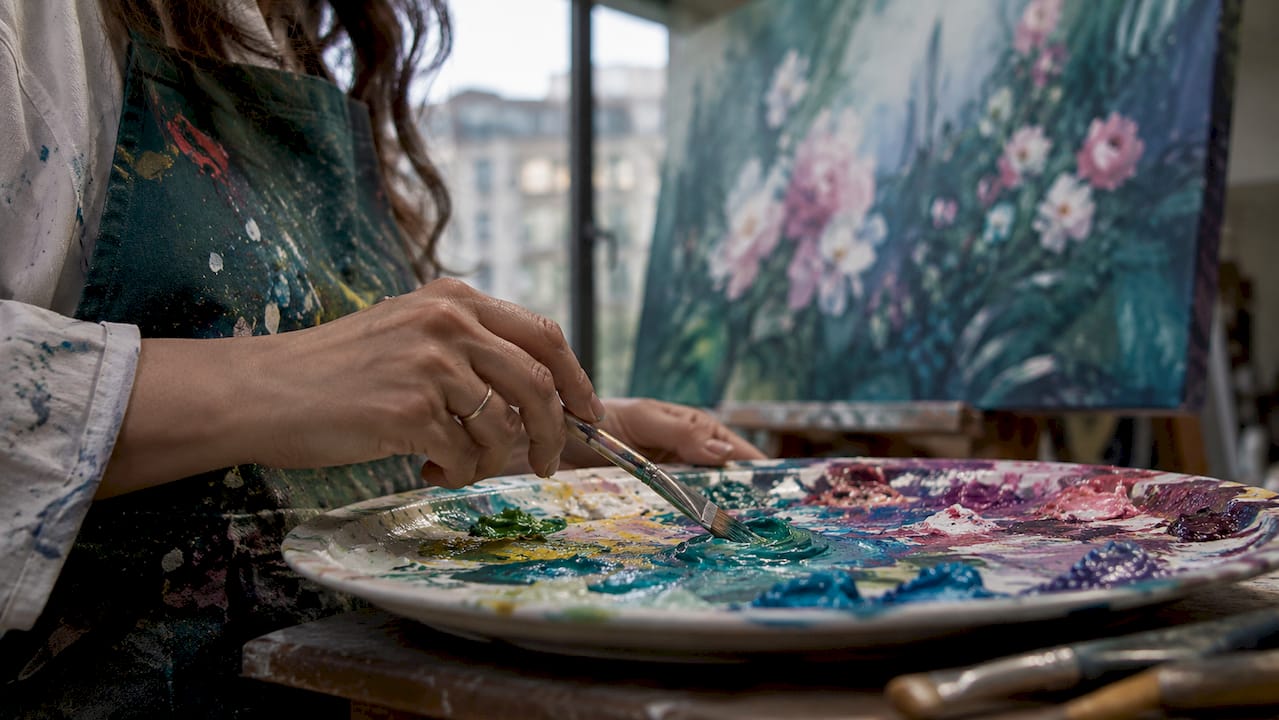
Nihonga, the Japanese painting tradition, takes this further. Nihonga involves mineral pigments, washi paper, and nikawa glue, with methodical layering that creates deep translucency and dimension. There is no undo. Mistakes either become part of the work or destroy it. Mastering traditional materials like these teaches patience and material respect that carries into every other creative practice.
Digital art works differently at a fundamental level. Digital tools like undo, layers, and infinite color palettes allow quick experimentation that traditional media cannot match. An artist can test ten color schemes in minutes, isolate elements on separate layers, and reverse any decision instantly. That flexibility lowers the cost of creative risk.
The practical differences between the two approaches come down to these core contrasts:
- Permanence vs. flexibility. Traditional art commits every mark. Digital art allows unlimited revision.
- Material cost. Quality oil paints, mineral pigments, and archival canvas carry significant ongoing expense. A digital setup requires upfront hardware investment but near-zero material cost after that.
- Tactile quality. Traditional works carry physical texture, brushstroke depth, and surface variation that digital prints replicate but do not fully reproduce.
- Reproduction. Digital files reproduce identically at any scale. Traditional originals are singular objects.
- Learning curve. Traditional art demands material mastery before results improve. Digital art rewards experimentation from day one.
Pro Tip: If you work in traditional media, practice completing a piece without correcting any mark for at least one session per week. That constraint builds the material discipline that separates competent artists from exceptional ones.
How do traditional and digital art compare in market trends?
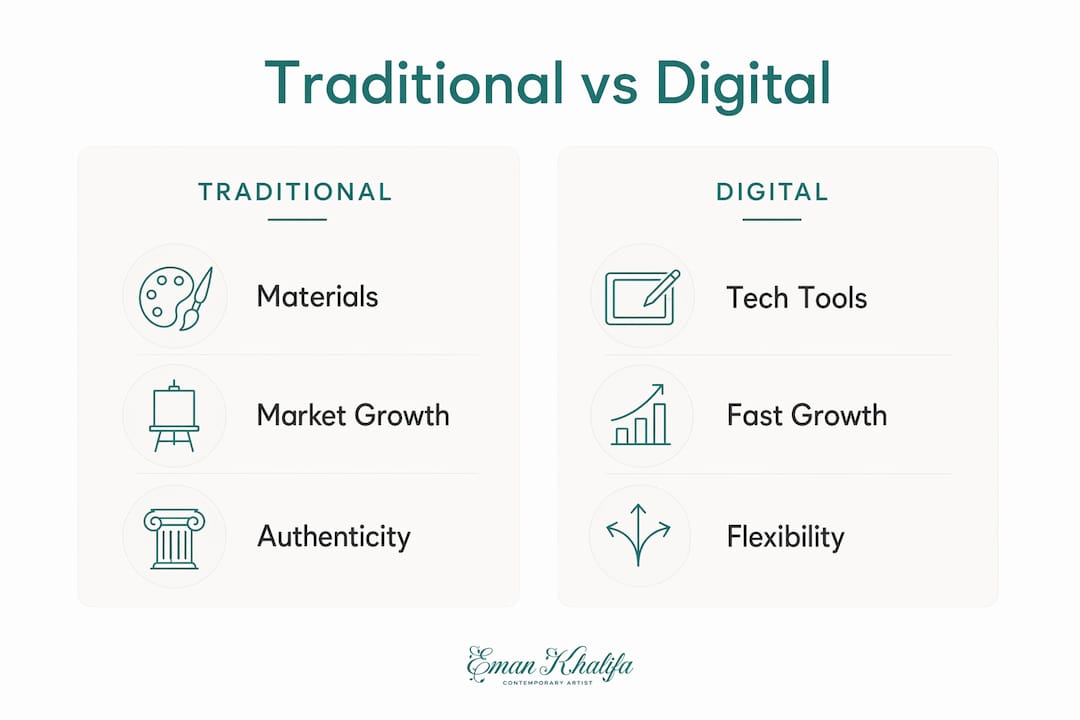
Digital art’s annual growth rate is 18%, outpacing traditional art’s 3% despite traditional art holding a larger absolute market share. That gap reflects a structural shift, not a temporary trend. Younger collectors are entering the market with digital-native preferences, and auction houses are responding.
| Metric | Traditional art | Digital art |
|---|---|---|
| Annual market growth | 3% | 18% |
| Top auction price | $195 million | $69.3 million |
| Primary artist demographic | Older generations | Artists under 35 |
| Collector preference driver | Tactile authenticity | Accessibility and novelty |
| Market format | Physical galleries, auctions | Online platforms, NFT marketplaces |
The gap in top auction prices is real but narrowing. Traditional art’s record of $195 million dwarfs digital art’s $69.3 million peak, but digital art reached that figure in a fraction of the time the traditional market took to build. That trajectory matters more than the current gap.
Generational acceptance is the clearest signal. 68% of Americans under 30 consider digital art as legitimate as traditional painting and sculpture. That figure represents a complete reversal from attitudes common just fifteen years ago. Museums and galleries have responded by integrating digital works into permanent collections alongside oil paintings and sculpture.
“The question is no longer whether digital art belongs in serious collections. The question is how collectors build portfolios that include both forms intelligently.” This shift in collector thinking reflects a market that has moved past the legitimacy debate and into practical acquisition strategy.
Collectors interested in popular art styles in 2025 and 2026 are finding that the most sought-after works often sit at the intersection of both traditions. Purely digital works attract one segment. Handmade originals attract another. Hybrid works attract both.
How are artists combining traditional and digital techniques?
The digital-traditional divide is diminishing. Most successful working artists now blend both approaches, creating hybrid works that appeal across demographics. The workflow is usually sequential: create the foundation in traditional media, then refine or extend it digitally.
A typical hybrid process looks like this:
- Sketch or paint traditionally. The artist creates a pencil drawing, ink sketch, or loose watercolor study on paper.
- Scan at high resolution. The physical work is digitized, preserving texture and tonal variation.
- Refine digitally. Color, contrast, and composition adjustments happen in software using layers.
- Add digital elements. Textures, type, or graphic elements that would be difficult to achieve physically are added in the digital environment.
- Output for the intended format. The finished work prints as a fine art giclée, appears in a digital exhibition, or gets minted as an NFT.
Artists like Liam O’Connor advocate for viewing digital and traditional art as a unified toolkit rather than competing disciplines. That framing removes the false choice and opens more creative territory. Augmented reality installations take this further, overlaying digital animations onto physical paintings to create works that exist in both dimensions simultaneously.
The main risk in hybrid work is over-refinement. Over-polishing digitally can reduce the vitality of the original artwork. The spontaneous marks, accidental textures, and imperfect edges of a hand-drawn sketch carry energy that digital smoothing erases. Artists working in hybrid formats consistently report that the traditional foundation is what makes the final work feel alive.
Pro Tip: When finishing a traditionally sketched piece digitally, set a rule: no more than three rounds of digital revision. Each round, ask whether the change adds to the work or just makes it look more “finished.” Finished is not always better.
The rise of tradigital artists in 2026 shows this is not a niche experiment. It is the direction the field is moving.
What should artists and collectors consider when choosing an art form?
The choice between traditional, digital, or combined practice depends on four factors: creative goals, budget, audience, and long-term market positioning.
For artists, the practical considerations break down clearly:
- Budget. Digital art reduces barriers for new artists by enabling undo and quick experimentation, while traditional art involves higher ongoing material costs. A quality drawing tablet and software subscription costs less per year than a serious supply of archival oil paints.
- Skill development. Traditional practice builds foundational skills in observation, color mixing, and mark control that transfer directly to digital work. Starting traditional and adding digital later is a common path among working professionals.
- Audience reach. Digital works distribute globally at zero marginal cost. Traditional originals reach buyers through galleries, fairs, and direct sales, with shipping as a real constraint.
- Creative satisfaction. Many artists report that traditional media provides a tactile, meditative experience that digital work does not replicate. That factor is not measurable but it is real.
For collectors, the decision centers on authenticity and preservation. Traditional originals are singular objects with provenance, physical presence, and established resale markets. Digital works, including NFTs, offer verifiable ownership and often lower entry prices. Knowing where to buy original contemporary paintings from verified sources protects both investment and authenticity.
The strongest position for both artists and collectors is not to choose one form exclusively. Artists who build skills across both media attract wider audiences. Collectors who hold both traditional originals and digital works build portfolios that reflect where the market actually is.
Key Takeaways
Traditional art and digital art are not competing disciplines. The most successful artists and collectors in 2026 treat them as complementary tools within a single creative and market strategy.
| Point | Details |
|---|---|
| Digital art is growing fast | An 18% annual growth rate outpaces traditional art’s 3%, signaling a structural market shift. |
| Traditional techniques build discipline | Methods like Nihonga and Mokuhanga teach material mastery that strengthens any creative practice. |
| Hybrid workflows are now standard | Scanning traditional sketches and finishing digitally is the dominant approach among working artists. |
| Over-polishing kills organic energy | Limiting digital revision rounds preserves the vitality of the traditional foundation. |
| Collectors benefit from holding both | Traditional originals offer provenance and physical presence; digital works offer accessibility and growth potential. |
Why I think the “either/or” debate misses the point entirely
Artists ask me constantly whether they should focus on traditional or digital work. My honest answer is that the question itself is the problem. I have watched artists spend years defending their medium instead of developing their craft. That time is wasted.
What I have observed in my own practice is that traditional work makes me a better digital artist, and digital experimentation makes me bolder with physical materials. When I work with paint on canvas, I make decisions I cannot take back. That builds a kind of creative confidence that no amount of digital undo can teach. When I move to digital tools afterward, I bring that decisiveness with me.
The artists attracting the most diverse collectors right now are not the ones who mastered one medium. They are the ones who let both inform each other. Custom art that fuses both approaches attracts collectors who want something that feels handmade but also fits the scale and format of a modern interior. That is a real market advantage.
My advice is simple. Learn traditional techniques first. Build the discipline. Then add digital tools as an extension of what your hands already know. The work you make from that foundation will be harder to replicate and more interesting to collect.
— Eman
Original paintings and fine art prints at Emansgallery
Emansgallery offers original handmade paintings and museum-quality canvas prints that reflect the full range of traditional and contemporary techniques. Each piece by Eman Khalifa is a one-of-a-kind work created with the material discipline that comes from years of hands-on practice.
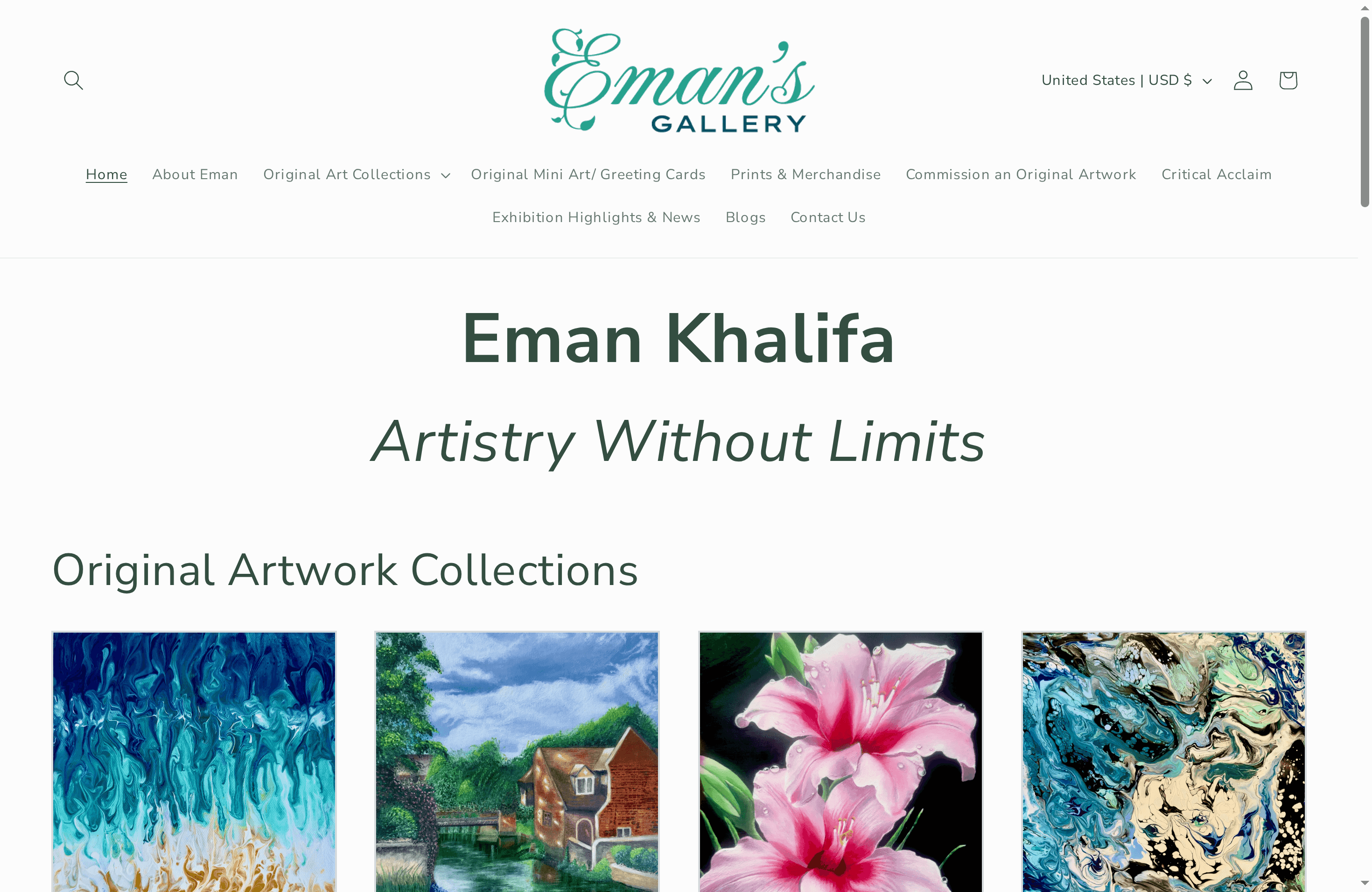
The collection includes fluid abstract originals like Good Tidings, a blue and gold ocean painting that captures the organic energy of traditional fluid art, alongside tonalist works like Nocturned, a moonlit night scene built through careful layering. For collectors who prefer canvas prints, the abstract ink splash series brings the texture and movement of traditional brushwork into a format that ships worldwide. Emansgallery ships to the UK, USA, Canada, Australia, Germany, France, the UAE, and beyond.
FAQ
What is the main difference between traditional and digital art?
Traditional art uses physical materials like paint, canvas, and pigment, while digital art uses software, tablets, and computers. The key practical difference is permanence: traditional art commits every mark, while digital art allows unlimited revision.
Is digital art growing faster than traditional art?
Digital art grows at 18% annually compared to traditional art’s 3%. Traditional art still holds a larger absolute market share, but the growth gap reflects a clear directional shift toward digital and hybrid formats.
Can artists combine traditional and digital techniques?
Yes. The most common hybrid workflow involves creating a traditional sketch or painting, scanning it at high resolution, and finishing it digitally. The main risk is over-polishing, which can remove the organic energy of the original work.
Which art form is better for new artists to learn first?
Traditional art builds foundational skills in observation, color mixing, and mark control that transfer directly to digital practice. Most professional artists recommend starting with traditional techniques before adding digital tools.
Do collectors value traditional art more than digital art?
Traditional originals carry provenance, physical presence, and established resale markets that digital works currently lack. However, 68% of Americans under 30 now consider digital art equally legitimate, and collector attitudes are shifting with each generation.
Stay Connected
- ✨ Explore Eman Khalifa's original art, fine art prints and art-inspired merchandise.
- Follow Eman Khalifa's art journey on: Instagram @emans_gallery and Facebook
- Watch Eman Khalifa creating live art on: YouTube @emans_gallery
