


Digital Art or Traditional Art: A 2026 Artist's Guide
TL;DR:
- Digital art requires a higher initial investment in hardware and software.
- Traditional art has lower startup costs but involves ongoing expenses for physical supplies.
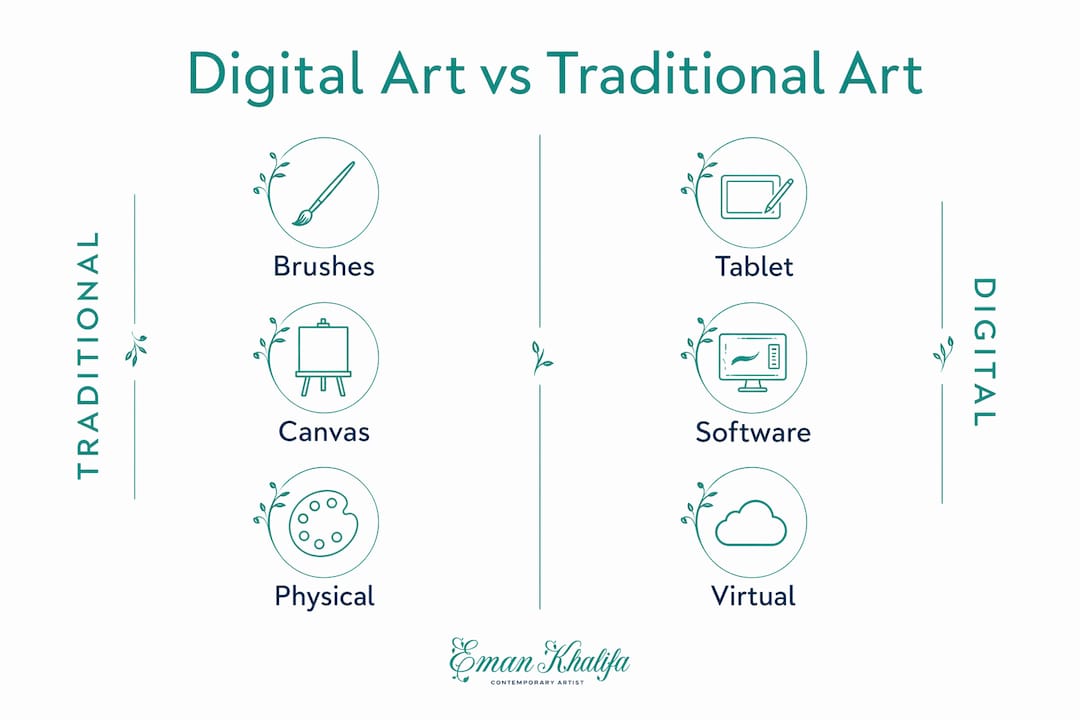
Digital art and traditional art are two distinct mediums of creative expression, each defined by its own tools, processes, and outcomes. Traditional art uses physical materials such as oil paint, watercolor, canvas, charcoal, and pencil. Digital art uses hardware like Wacom tablets and software like Adobe Photoshop, Procreate, or Rebelle to create images on screen. The choice between them is not a matter of which is better. It is a matter of which fits your creative goals, budget, and working style. Over 40% of young artists under 35 now identify primarily as digital creators, up from just 8% in 2010. That shift reflects changing tools and access, not a decline in traditional art’s value.
What are the main differences between digital art or traditional art tools and workflows?
The most immediate contrast between digital and traditional art is the physical experience. Traditional art techniques require you to work with real materials: brushes, pigment, paper, canvas, and your hands. Every stroke is permanent. Every decision carries weight. Digital art, by contrast, runs on a computer or tablet. You draw with a stylus on a screen or pressure-sensitive surface, and every mark can be undone instantly.
| Factor | Traditional art | Digital art |
|---|---|---|
| Tools | Brushes, paints, canvas, pencils | Tablet, stylus, computer, software |
| Startup cost | Low (basic supplies are affordable) | High (hardware and software investment) |
| Ongoing cost | Recurring (paints, paper, canvas) | Low after initial purchase |
| Undo option | None. Mistakes are permanent | Unlimited undo at any stage |
| Portability | Limited by materials | High, especially with tablet devices |
| Reproduction | Requires scanning or photography | Instant, lossless digital copies |
Digital art requires a significant upfront investment in a computer, drawing tablet, and software, while traditional art has low startup costs but ongoing expenses for supplies like paint, canvas, and brushes. This means traditional art is easier to begin but more expensive to sustain at a high level. Digital art costs more to start but becomes cost-efficient over time.
The learning curve also differs. Traditional art techniques like oil painting or printmaking take years to master physically. Digital art has its own learning curve in software navigation, layer management, and pressure sensitivity settings. Neither medium is easier. They are just different kinds of difficult.
Pro Tip: If you are new to art, start with traditional media first. Mastering proportion, value, and color theory with pencil and paint builds a foundation that makes digital work far more intuitive later.
How do the creative experiences differ between digital and traditional art?
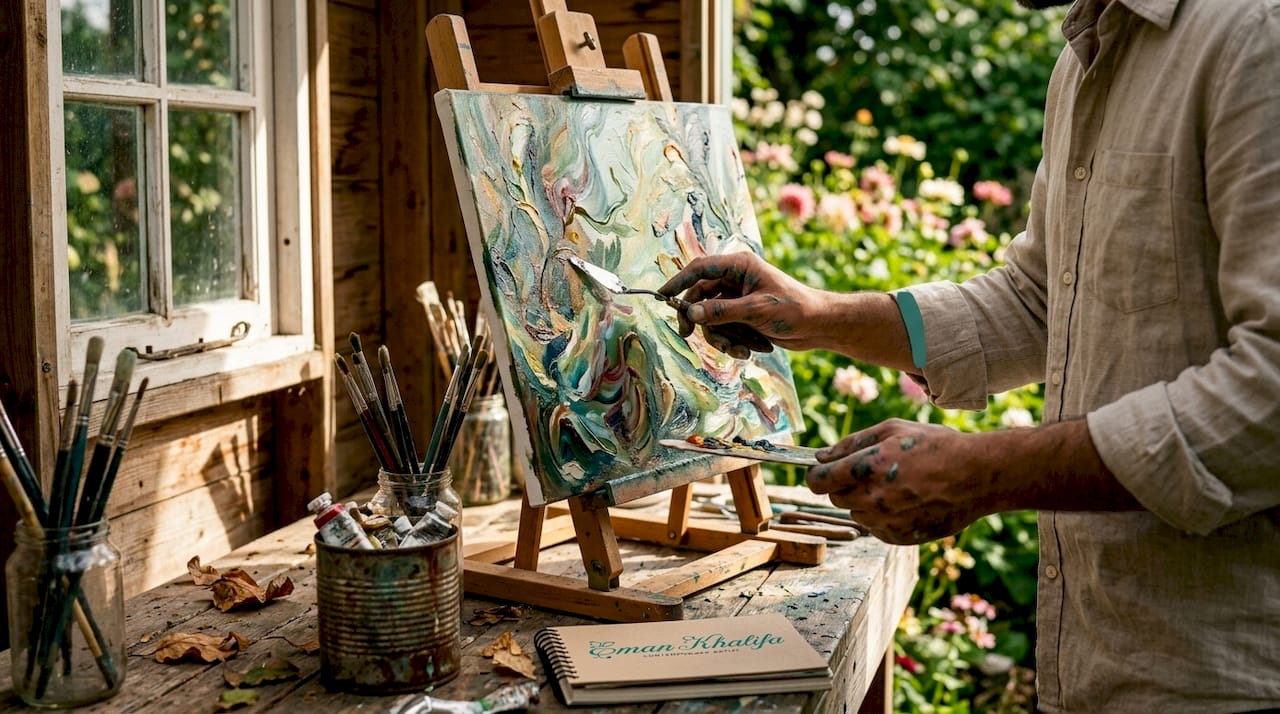
The creative experience in traditional art is tactile and irreversible. You feel the drag of a brush across canvas. You smell the linseed oil. You watch wet paint blend in ways that cannot be fully predicted. That unpredictability is not a flaw. Traditional art’s permanent marks require perseverance and creative problem-solving that digital undo features simply do not simulate. A drip of paint, an overworked edge, or an unexpected texture can become the most interesting part of a finished piece.
Digital art offers a different kind of freedom. The ability to undo, duplicate layers, and experiment without consequence changes how artists think. You can test ten color palettes in minutes. You can resize a composition without starting over. Software like Rebelle mimics traditional painting effects including wetness, blending, and pigment behavior, bringing digital work closer to the feel of real oils on canvas.
Key differences in creative experience:
- Tactile engagement. Traditional art engages your hands, body, and senses directly. Digital art is mediated through a screen and stylus.
- Happy accidents. Unplanned effects in traditional media often add character. Digital errors are simply undone.
- Uniqueness. A traditional painting is a one-of-a-kind object. A digital file can be reproduced infinitely without loss of quality. Understanding the value difference between originals and prints matters for both collectors and creators.
- Pacing. Traditional art’s slower, meditative process encourages mindfulness. Digital art’s speed suits artists who need efficiency or work under commercial deadlines.
- Flexibility. Digital art allows non-destructive editing at any stage. Traditional art demands commitment to each decision.
Pro Tip: Keep a sketchbook even if you work digitally. Hand drawing sharpens observational skills that software shortcuts tend to bypass.
What are hybrid workflows that combine traditional and digital art?
Hybrid workflows are the fastest-growing approach in contemporary art practice. A hybrid workflow means creating work in both physical and digital environments, using each medium for what it does best. Digital and traditional art are complementary rather than competing. Many working artists now treat them as two stages of a single process.
A typical hybrid process looks like this:
- Create a traditional base. The artist draws or paints on paper or canvas using charcoal, ink, or watercolor to build texture and organic line quality.
- Digitize the work. The physical piece is scanned at high resolution or photographed under controlled lighting to capture detail.
- Refine digitally. The scanned image is opened in Photoshop or Procreate. The artist adds color, adjusts contrast, removes unwanted marks, and builds additional layers.
- Output the final piece. The finished work is printed as a high-quality giclée print, published online, or used as a reference for a new physical painting.
Hybrid workflows create a dialogue between tactile, tangible art and digital sharpness, influencing the visual language of contemporary illustration, concept art, and fine art. Artists like Daniel Ibanez use Wacom Cintiq tablets alongside Rebelle software to replicate the behavior of physical paint while retaining full digital control. The result is work that carries the warmth of traditional media and the precision of digital tools.
Fear that digital art would replace traditional art is outdated. Integration expands what artists can create and who they can reach. Hybrid practice is not a compromise. It is an expansion of creative range.
What practical considerations should artists keep in mind when choosing a medium?
Choosing between digital and traditional art depends on four practical factors: budget, space, goals, and market context.
Budget. Traditional art has a low entry cost. A set of quality watercolors, paper, and brushes can be purchased for under $100. High-quality digital art requires upfront investment in hardware and software, while traditional art involves recurring costs for consumable materials. A professional Wacom tablet, a capable computer, and software subscriptions can easily exceed $1,500 at the start.
Space. Traditional art requires physical space for materials, drying work, and storage. A studio or dedicated room is a real advantage. Digital art compresses into a laptop and tablet. You can work from a coffee shop or a small apartment with equal effectiveness.
Career and market context. Traditional art still commands a larger share of the overall fine art market, but digital art’s growth rate among collectors is significantly higher, particularly among Gen Z and Millennial buyers. Artists interested in commercial illustration, game design, or social media content creation will find digital skills more immediately marketable. Artists targeting gallery sales, art fairs, and serious collectors will find traditional originals carry stronger perceived value. Reviewing popular art styles among collectors in 2026 gives useful context for where demand is moving.
| Consideration | Traditional art | Digital art |
|---|---|---|
| Entry cost | Low | High |
| Ongoing cost | High (consumables) | Low after setup |
| Space needed | Significant | Minimal |
| Best for | Gallery sales, fine art collectors | Commercial work, prints, online sales |
| Market growth | Stable | Rapidly growing |
Key takeaways
Digital art and traditional art each serve distinct creative purposes, and the most effective artists understand both mediums well enough to choose intentionally.
| Point | Details |
|---|---|
| Tools define the process | Traditional art uses physical materials; digital art uses tablets, styluses, and software like Procreate or Photoshop. |
| Cost structures differ | Traditional art costs less to start but more to sustain; digital art costs more upfront but less over time. |
| Creative experience varies | Traditional art is tactile and permanent; digital art is flexible and reversible, which changes how artists think. |
| Hybrid workflows are growing | Many artists combine both mediums, creating traditional bases and refining digitally for the best of each. |
| Market context matters | Traditional originals hold stronger collector value; digital art grows faster among younger buyers and commercial clients. |
My perspective on working across both mediums
I have worked with oil paint, watercolor, and acrylic on canvas for years. I also use digital tools to plan compositions, test color palettes, and prepare print files. My honest view is that the debate between digital and traditional art is a false one. The real question is what each medium teaches you.
Traditional painting taught me patience. You cannot rush oil paint. You cannot undo a muddy mix. Those constraints forced me to think more carefully before every stroke, and that discipline carried directly into my digital work. When I open Procreate, I do not abuse the undo button. I treat each mark with the same intention I would on canvas.
What I tell art students is this: do not skip traditional fundamentals because digital tools seem faster. The undo button is a safety net, not a teacher. Mastering value, edge control, and color relationships with physical paint builds instincts that no software tutorial replaces. Once those instincts are solid, digital tools become genuinely powerful rather than just convenient.
The artists I respect most are not loyal to one medium. They use whatever serves the work. A charcoal sketch scanned and refined in Photoshop is not less authentic than a pure oil painting. Authenticity in art comes from intention, not from the tool. If you are curious about art authenticity and investment value, that distinction matters more than most artists realize.
— Eman
Original art and prints from Emansgallery
Emansgallery offers original handmade paintings and museum-quality canvas prints that reflect both the depth of traditional painting and the precision of fine art reproduction.
Artist Eman Khalifa works in oil, acrylic, and mixed media across abstract, landscape, seascape, and geometric styles. Each original is a one-of-a-kind piece with the texture, permanence, and presence that only traditional media delivers. The Warm Embrace original painting is a strong example of that quality. For artists and collectors who prefer print format, the canvas print collection includes giclée-quality reproductions shipped worldwide. Whether you collect originals or prints, Emansgallery has work worth considering.
FAQ
Is digital art easier than traditional art?
Digital art is not easier than traditional art. Both mediums have distinct learning curves. Digital art requires mastering software, layer management, and stylus control, while traditional art demands physical technique and material knowledge.
Can digital art replace traditional art?
Digital art does not replace traditional art. The two mediums serve different purposes and audiences. Traditional originals hold unique collector value, while digital art excels in reproduction, commercial applications, and online distribution.
What is a hybrid art workflow?
A hybrid workflow combines traditional and digital techniques in a single process. Artists typically create a physical base using paint or ink, scan it at high resolution, then refine and finish the work digitally using software like Photoshop or Procreate.
Which medium is better for selling art?
Traditional originals command stronger prices in the fine art and gallery market. Digital art and prints sell faster online and appeal to a broader, younger collector base. The best approach depends on your target market and production goals.
How do I learn to create digital art as a traditional artist?
Start with a pressure-sensitive drawing tablet such as a Wacom Intuos and a beginner-friendly program like Procreate or Adobe Fresco. Apply the same principles of value, composition, and color theory you already know from traditional practice.
Stay Connected
- ✨ Explore Eman Khalifa's original art, fine art prints and art-inspired merchandise.
- Follow Eman Khalifa's art journey on: Instagram @emans_gallery and Facebook
- Watch Eman Khalifa creating live art on: YouTube @emans_gallery
