


Art News 2026: What Collectors and Enthusiasts Need to Know
TL;DR:
- Art news provides real-time insights into contemporary art events and market shifts.
- Understanding these trends helps collectors make informed decisions at fairs and exhibitions.
Art news is the continuous coverage of contemporary art events, market activities, exhibitions, and cultural shifts that inform collectors, enthusiasts, and professionals worldwide. Right now, the field is shaped by three forces: the Basel Exclusive initiative at Art Basel 2026, the rapid rise of ticketed immersive exhibitions, and a major conceptual movement called systems art. Publications like ARTnews and The Art Newspaper are tracking all three in real time. Understanding these developments gives collectors a genuine edge, whether they are buying at fairs, visiting exhibitions, or building a long-term collection.
What are the major art events and fairs shaping art news today?
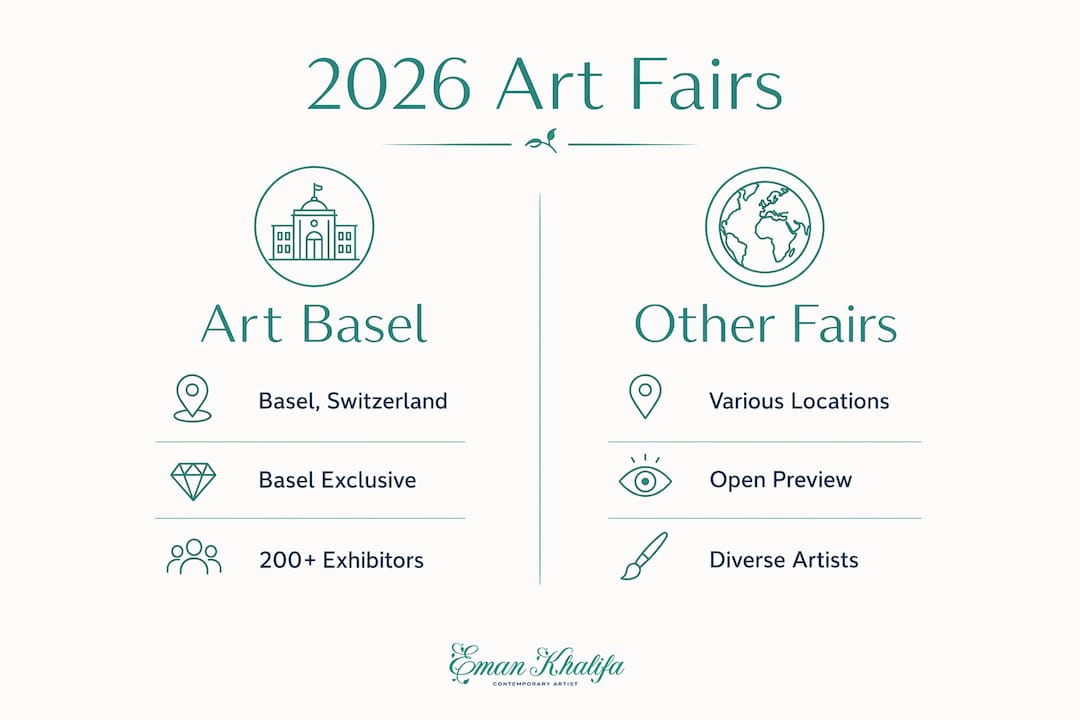
Art Basel 2026 introduced the Basel Exclusive initiative, where over 200 exhibitors withheld major works from preview materials to encourage in-person attendance. The strategy created scarcity and anticipation. Galleries stopped sending digital PDFs of their best pieces before the fair opened, forcing serious collectors to show up physically to see the work.
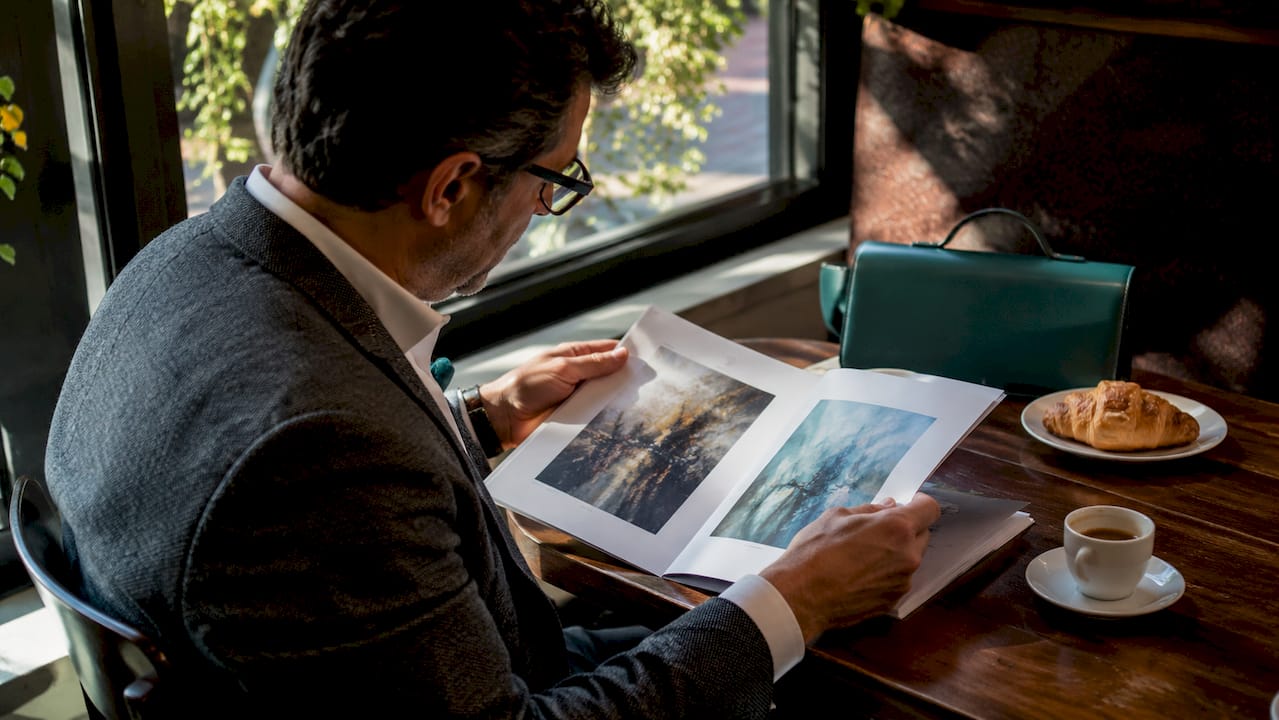
The results were telling. Sales during VIP preview days still favored established artists with transparent, competitive pricing. Almine Rech sold a 1938 Picasso painting for between $6 million and $6.5 million on the first VIP preview day. Blue-chip names like Picasso and Philip Guston commanded strong prices, while emerging artist sales varied widely. The lesson for collectors is clear: scarcity tactics drive foot traffic, but price clarity closes deals.
Pro Tip: If you plan to attend a major fair operating under an exclusivity model, arrive on the first VIP day. The best works at the most transparent prices move within hours of opening.
The table below compares the major 2026 art fairs by their defining features for collectors and enthusiasts.
| Art Fair | Location | Key Feature in 2026 |
|---|---|---|
| Art Basel | Basel, Switzerland | Basel Exclusive withheld major works from previews |
| Frieze New York | New York, USA | Focus on emerging and mid-career artists |
| TEFAF Maastricht | Maastricht, Netherlands | Emphasis on Old Masters and antiquities |
| Art Dubai | Dubai, UAE | Platform for Middle Eastern and South Asian artists |
| Artissima | Turin, Italy | Research-focused program for experimental practices |
Art Basel remains the most closely watched fair for art market news globally. Its pricing dynamics and sales results set the tone for the secondary market for months after the fair closes.
How are immersive and pop-up art exhibitions evolving?
Immersive art experiences have shifted from free, open-access events to ticketed models. The change is driven by demand management and revenue sustainability. CJ Hendry’s JuJu World exhibition in Singapore is the clearest recent example of this shift in action.
Hendry, best known for the viral Flower Market installation, charged entry fees of $15 for visitors aged 13 and over, and $10 for children aged 3 to 12. Prior free-access events had generated unmanageable crowd sizes. The ticketed model controls attendance while generating revenue that funds the production costs of large-scale work.
These exhibitions generate significant cultural coverage and social media attention. That attention feeds directly into art gallery highlights across major publications. A few patterns define the current generation of immersive shows:
- Ticketed entry replaces free access to control crowd size and fund production
- Hybrid models combine ticketed general admission with free or VIP preview periods
- Social media shareability is built into the physical design of the space
- Temporary or pop-up formats create urgency and press coverage
- Collaborations between artists and commercial brands fund ambitious installations
At Art Basel 2026, A.A.Murakami’s SYMBIOSIS installation for BMW generated significant coverage. The work used technology to produce mist-filled bubbles shaped by gravity and airflow, creating phenomena that evolved beyond the artists’ direct control. That kind of ephemeral, technology-driven experience is now a standard feature of major fair programming.
Pro Tip: Book tickets for immersive exhibitions during weekday morning slots. Crowds are thinner, lighting conditions are better for photography, and staff are more available to explain the work.
What is systems art and why does it dominate contemporary art news?
Systems art is the dominant contemporary trend of the 21st century, and it is defined by subject matter rather than visual style. Artists working in this mode focus on making invisible social, environmental, and technological infrastructures visible. The movement reflects widespread anxiety about surveillance, climate systems, and the concentration of institutional power.
Understanding systems art requires knowing its key figures and their methods:
- Hans Haacke established the conceptual foundation of systems art in the 1960s and 1970s by exposing the financial and political networks behind major cultural institutions.
- Trevor Paglen photographs surveillance infrastructure, including undersea data cables and classified satellite facilities, turning hidden state systems into visible art objects.
- Hito Steyerl uses video and installation to examine how images circulate through digital networks and shape political reality.
- Forensic Architecture reconstructs state violence and environmental destruction using architectural modeling and open-source data.
“Systems art challenges viewers to engage critically with invisible social and political systems rather than just aesthetic styles, reflecting broad contemporary concerns.” — ARTnews
Galleries and collectors are responding to this movement with real purchasing activity. Works by Paglen and Steyerl appear regularly at major fairs and in museum acquisitions. For collectors interested in contemporary art trends, systems art represents both cultural relevance and long-term institutional interest. The movement is not a passing style. It is a response to the defining conditions of the current era.
How do legal issues and market transparency affect collector decisions?
Legal rulings on restitution are reshaping the art market’s relationship with provenance. The New York Supreme Court ruled that dealer David Nahmad must return a Nazi-looted Modigliani painting within 30 days. The painting, Seated Man With a Cane, was valued at $3.2 million in 1996 and is estimated at $30 million today. That appreciation makes restitution cases financially significant, not just historically important.
Pricing transparency at fairs operates alongside these legal developments. The table below shows how transparency and legal clarity affect collector confidence at different market levels.
| Market Factor | Impact on Collectors |
|---|---|
| Restitution rulings | Increases due diligence requirements for provenance research |
| Transparent fair pricing | Reduces negotiation friction and speeds purchase decisions |
| Basel Exclusive model | Raises in-person attendance but requires physical access to information |
| Blue-chip artist demand | Sustains strong prices regardless of broader market conditions |
Collectors who treat provenance research as optional are taking on legal and financial risk. The Modigliani ruling signals that courts are willing to enforce restitution claims on high-value works, regardless of how long a piece has been held. Transparent pricing at fairs like Art Basel reduces a different kind of risk: the risk of overpaying in an opaque negotiation. Both trends point toward a market that rewards preparation.
What practical tips help collectors stay informed on art industry insights?
Staying current with art industry insights requires a deliberate approach to sources, events, and market signals. Passive consumption of social media feeds is not enough. The collectors and enthusiasts who make the best decisions read primary sources and attend events with clear goals.
- Read ARTnews and The Art Newspaper weekly. Both publications cover major sales, legal rulings, exhibition openings, and artist news with factual depth. ARTnews is particularly strong on critical and theoretical trends like systems art.
- Follow fair announcements directly. Art Basel, Frieze, and TEFAF publish exhibitor lists and program details months in advance. Reviewing these lists before attending helps you prioritize galleries and works.
- Track auction results on Christie’s and Sotheby’s. Post-sale results are public and show exactly what works sold, at what prices, and against what estimates. This is the most reliable real-time data on art market news.
- Visit immersive exhibitions early in their run. Ticketed shows like JuJu World generate the most press and social coverage in their first two weeks. Attending early means you can contribute to the conversation while it is active.
- Research artists before buying at fairs. Systems art figures like Trevor Paglen have institutional exhibition histories that are publicly documented. Knowing an artist’s museum record before a fair conversation puts you in a stronger position.
Pro Tip: Set up Google Alerts for the names of artists you collect or follow. You will receive real-time notifications when they appear in news coverage, auction results, or exhibition announcements.
Understanding what contemporary art is at a foundational level makes all of these sources more useful. Context turns raw information into genuine insight.
Key Takeaways
The most effective approach to following art news in 2026 combines primary source reading, in-person fair attendance, and provenance awareness to make informed collecting decisions.
| Point | Details |
|---|---|
| Basel Exclusive changes fair dynamics | Over 200 galleries withheld major works from previews, driving in-person attendance at Art Basel 2026. |
| Transparent pricing drives sales | Blue-chip works with clear prices sold fastest; a 1938 Picasso sold for up to $6.5 million on preview day. |
| Immersive shows are now ticketed | CJ Hendry’s JuJu World charged $15 entry to manage crowds and fund large-scale production. |
| Systems art leads contemporary trends | Artists like Trevor Paglen and Hans Haacke define the dominant movement by making invisible systems visible. |
| Restitution rulings affect market risk | The Modigliani ruling shows courts enforce provenance claims on works worth tens of millions of dollars. |
Why I think most collectors underestimate the value of art news
Most collectors treat art news as background noise. They skim headlines, follow a few artists on Instagram, and show up to fairs without a real plan. That approach works fine for casual interest. It does not work for serious collecting.
The Basel Exclusive story is a perfect example of why current events matter. If you did not know that galleries were withholding their best works from digital previews, you might have assumed the fair’s online materials gave you a complete picture. They did not. The collectors who knew about the initiative showed up in person, saw the works that were not in any PDF, and made purchases before anyone else had the chance.
Systems art is another case where news literacy pays off. The movement has been building for decades, but its cultural dominance is a recent development tied directly to anxieties about surveillance, climate, and institutional power. Collectors who read ARTnews and The Art Newspaper recognized this shift early. They built positions in artists like Paglen before institutional demand pushed prices higher.
My honest view is that art news is not just cultural entertainment. It is market intelligence. The collectors who treat it that way consistently make better decisions than those who do not.
— Eman
Original art that reflects the trends shaping today’s market
The movements covered in current art coverage, from fluid abstract work to conceptual and geometric forms, are exactly what Emansgallery produces and curates.
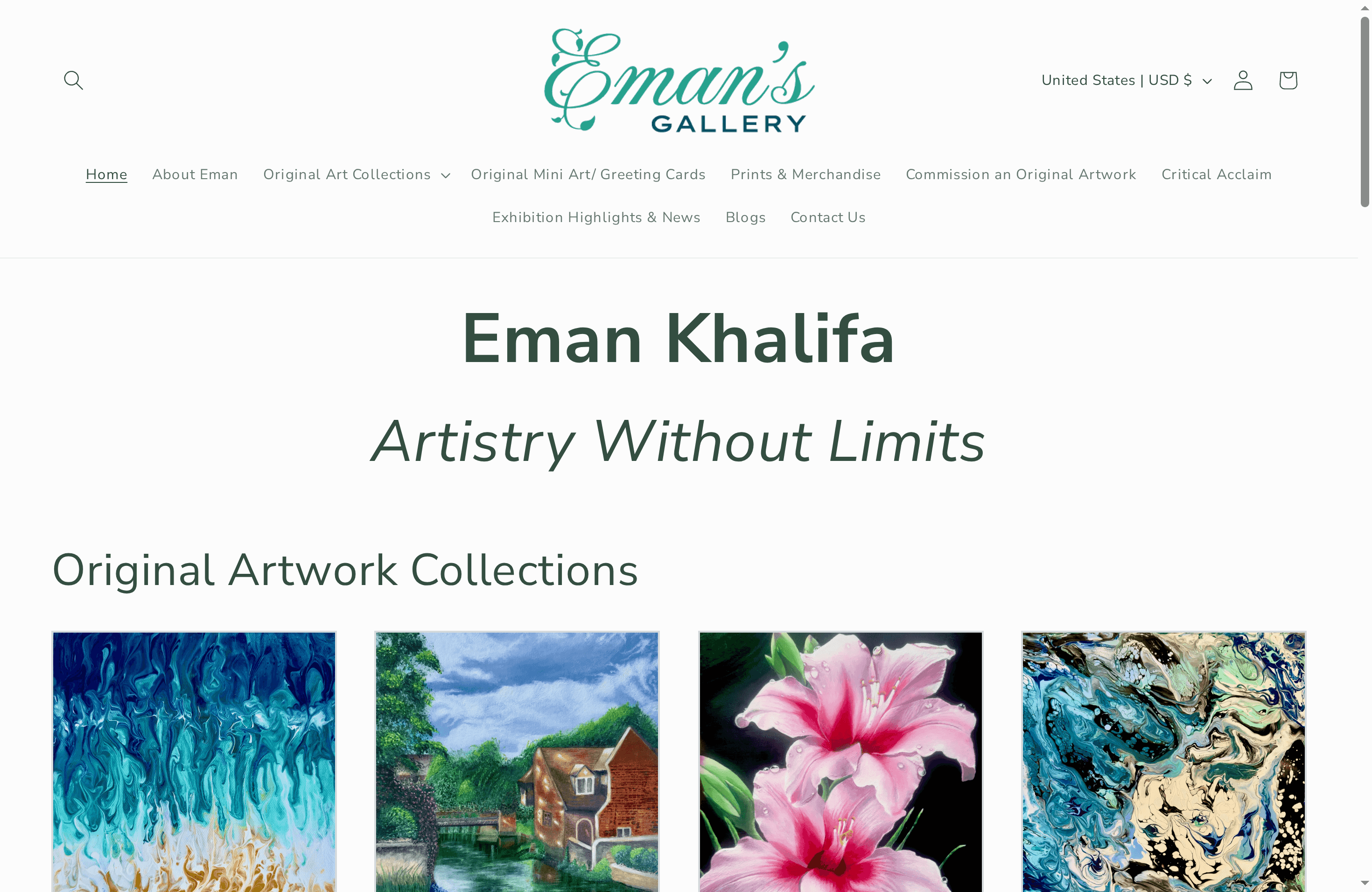
Emansgallery offers original handmade paintings by artist Eman Khalifa, including abstract, geometric, seascape, and landscape works that align with what collectors are actively seeking in 2026. The Good Tidings original painting is a fluid blue and gold ocean composition that reflects the organic, process-driven aesthetic gaining traction at major fairs. For collectors who prefer print editions, the full wall art prints collection offers museum-quality canvas options across multiple styles. Emansgallery ships worldwide from the UK, USA, Canada, Australia, Germany, France, the UAE, and beyond.
FAQ
What is art news and where can I find it?
Art news covers contemporary art events, sales, exhibitions, and cultural trends. ARTnews and The Art Newspaper are the two most authoritative English-language sources for current coverage.
What happened at Art Basel 2026?
Art Basel 2026 launched the Basel Exclusive initiative, where over 200 galleries withheld major works from preview materials. Sales on the first VIP day still favored well-priced blue-chip works, with a 1938 Picasso selling for up to $6.5 million.
What is systems art?
Systems art is the dominant contemporary movement of the 21st century, defined by its focus on making invisible social, environmental, and technological infrastructures visible. Key figures include Trevor Paglen and Hans Haacke.
How do restitution rulings affect the art market?
Restitution rulings increase the legal and financial risk of holding works with unclear provenance. The New York Supreme Court ordered the return of a Nazi-looted Modigliani now estimated at $30 million, signaling active enforcement.
Are immersive art exhibitions still free to attend?
Most major immersive exhibitions now charge entry fees. CJ Hendry’s JuJu World in Singapore charged $15 for adults, replacing prior free-access formats that generated unmanageable crowd sizes.
Stay Connected
- ✨ Explore Eman Khalifa's original art, fine art prints and art-inspired merchandise.
- Follow Eman Khalifa's art journey on: Instagram @emans_gallery and Facebook
- Watch Eman Khalifa creating live art on: YouTube @emans_gallery
